

As we age, embracing technology can feel like trying to solve a Rubik’s Cube, overwhelming at first but rewarding once you get the hang of it. Living independently without the fear of being isolated is a wish of many elderly individuals, and smart home devices are here to grant that wish. They bring convenience, safety, and a sprinkle of fun into daily life. Let’s investigate into the best smart home devices that not only make life easier but also ensure peace of mind for both seniors and their loved ones.
Understanding The Needs Of Elderly Users
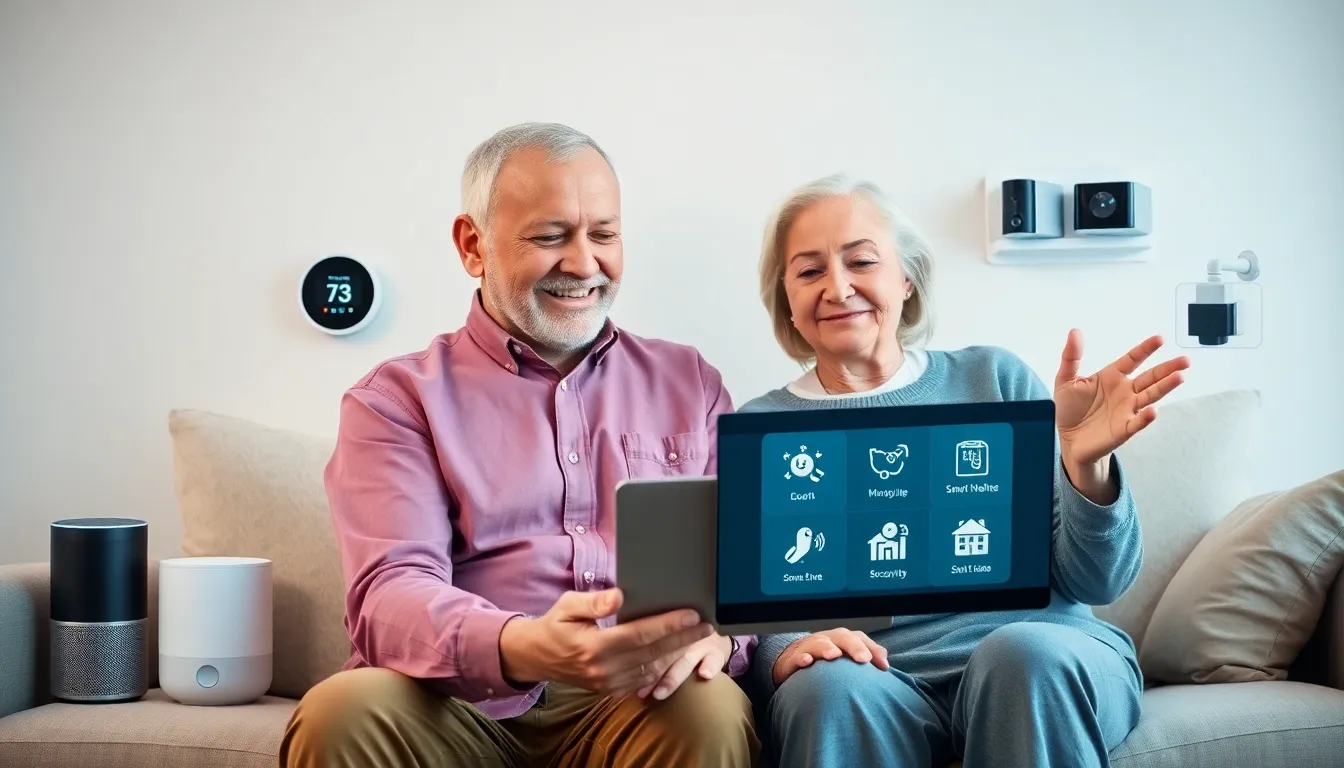
Understanding the specific needs of elderly users is the first step in selecting the best smart home devices. Many seniors face challenges related to mobility, vision, and cognitive function. So, devices designed with these considerations can significantly enhance their quality of life. For instance, having easy-to-read screens or voices helps those with vision impairments, while intuitive interfaces ensure that even the least tech-savvy can get on board.
Also, security becomes paramount as one ages. Many elderly individuals may worry about forgetting to lock doors or turning off appliances. Smart home technology can alleviate these concerns through automation, offering reminders and remote control access to systems and appliances. A broader understanding of these needs allows families and caregivers to choose devices that not only assist but empower their loved ones.
Key Features To Look For In Smart Home Devices
When searching for the best smart home devices for the elderly, focusing on specific features ensures that the technology meets their unique needs.
1. User-Friendly Interfaces: Look for devices with simple, large, and intuitive controls. The easier it is to use, the less frustrated users will be.
2. Voice Activation: Voice commands can be a lifesaver. Devices that respond to voice can help avoid the need to fiddle with potentially confusing apps.
3. Emergency Features: Include devices with emergency assistance capabilities. This can be anything from smart home hubs that enable alerts to family members or dedicated emergency buttons.
4. Compatibility with Other Devices: Ensure that the products fit into an ecosystem that supports seamless integration with other smart devices. This way, all gadgets can work together harmoniously.
5. Remote Access: Family members often want peace of mind. Devices that allow for remote monitoring and control enable loved ones to check in without being intrusive.
Top Smart Home Devices For Safety
Safety is the number one priority for elderly users, making it crucial to examine devices that enhance security and reduce risks. Here are some standout options:
1. Smart Doorbell Cameras: Products like Ring or Nest offer video monitoring at your doorstep. Elderly users can see who’s at the door without opening it.
2. Smart Locks: Digital locks like August Smart Lock can give peace of mind by allowing users to lock, unlock, and monitor access through their phones.
3. Indoor Motion Sensors: Devices that detect motion and send alerts can warn caregivers if no activity is detected for a certain period, potentially indicating a fall or emergency.
4. Smart Smoke Detectors: Nest Protect isn’t just any smoke detector: it provides voice alerts, tells users where the danger is, and connects to their phones for remote monitoring.
Smart Home Devices For Health And Wellness
In the realm of health and wellness, smart home devices can track and promote healthier living habits. Here are a few top choices:
1. Smart Health Monitors: Devices like blood pressure monitors or glucose meters that connect to smartphones allow users to track their health and share data with healthcare providers easily.
2. Medication Management Systems: Pill dispensers like MedMinder can remind users when to take their medications, helping avoid missed doses.
3. Fitness Trackers: Devices such as Fitbit can monitor physical activity, sleep patterns, and heart rates, creating a holistic view of wellness for the elderly.
Enhancing Daily Living With Smart Home Technology
Smart home technology can transform mundane tasks into manageable ones, enhancing daily living significantly. Consider these devices that add convenience:
1. Voice-Activated Assistants: Smart speakers like Amazon Echo or Google Nest allow users to control other smart devices by voice, play music, answer questions, and even make phone calls.
2. Smart Lighting: Philips Hue offers automated lighting that can be controlled via voice or app. This feature is beneficial not only for convenience but also for mood lighting.
3. Smart Thermostats: Devices like the Nest Learning Thermostat adjust home temperatures automatically. They can also be controlled remotely, ensuring comfort with minimal effort.
Choosing The Right Smart Home Ecosystem
Choosing the right smart home ecosystem can be just as important as selecting the devices themselves. Compatibility is crucial. Users should consider:
1. Ease of Integration: Choose devices that are part of a larger ecosystem, such as Google Home or Amazon Alexa, which will allow for seamless control of multiple devices from one platform.
2. Scalability: Look for systems that can grow over time. As needs change, users might want to add more devices without having to overhaul their entire setup.
3. Availability of Support: Consider the ongoing support from manufacturers. Devices that come with good customer service and a responsive community provide additional reassurance.


