

Home technology is evolving at a breathtaking pace, transforming how people live, work, and interact within their spaces. From smart appliances that anticipate needs to advanced security systems that provide peace of mind, the future of home technology promises to enhance convenience and comfort like never before.
As innovation continues to shape the landscape, homeowners are increasingly looking for solutions that not only simplify daily tasks but also contribute to energy efficiency and sustainability. With the rise of the Internet of Things (IoT) and artificial intelligence, the potential for interconnected devices to work seamlessly together is becoming a reality, paving the way for smarter, more responsive living environments. Embracing these advancements can lead to a more enjoyable and efficient home experience.
Overview of Future Home Technology
Future home technology focuses on transforming residential spaces through innovative solutions that enhance comfort, convenience, and energy efficiency. Smart appliances such as refrigerators, ovens, and washing machines now integrate with home networks, enabling users to remotely control and monitor their functions. Advanced security systems equipped with AI and machine learning offer real-time alerts and smart monitoring, enhancing safety.
The Internet of Things (IoT) plays a crucial role by connecting devices within the home. Smart thermostats, lighting systems, and home entertainment systems communicate seamlessly, allowing for automated control based on user preferences. For instance, smart thermostats can learn heating and cooling patterns, optimizing energy use and reducing utility costs.
Another significant trend involves voice-activated assistants. These devices enable hands-free operation of various home functions, from adjusting lighting to setting home security systems. Users enjoy increased accessibility and efficiency through simple voice commands.
Sustainable technology is also gaining traction in future homes. Solar panels, energy-efficient appliances, and home energy management systems contribute to lower energy consumption and environmental impact. The combination of these technologies leads to homes that not only promote convenience but also foster a sustainable lifestyle.
Overall, future home technology is set to redefine living spaces by integrating intelligent systems that respond to user needs, streamline daily tasks, and enhance overall home management.
Smart Home Devices
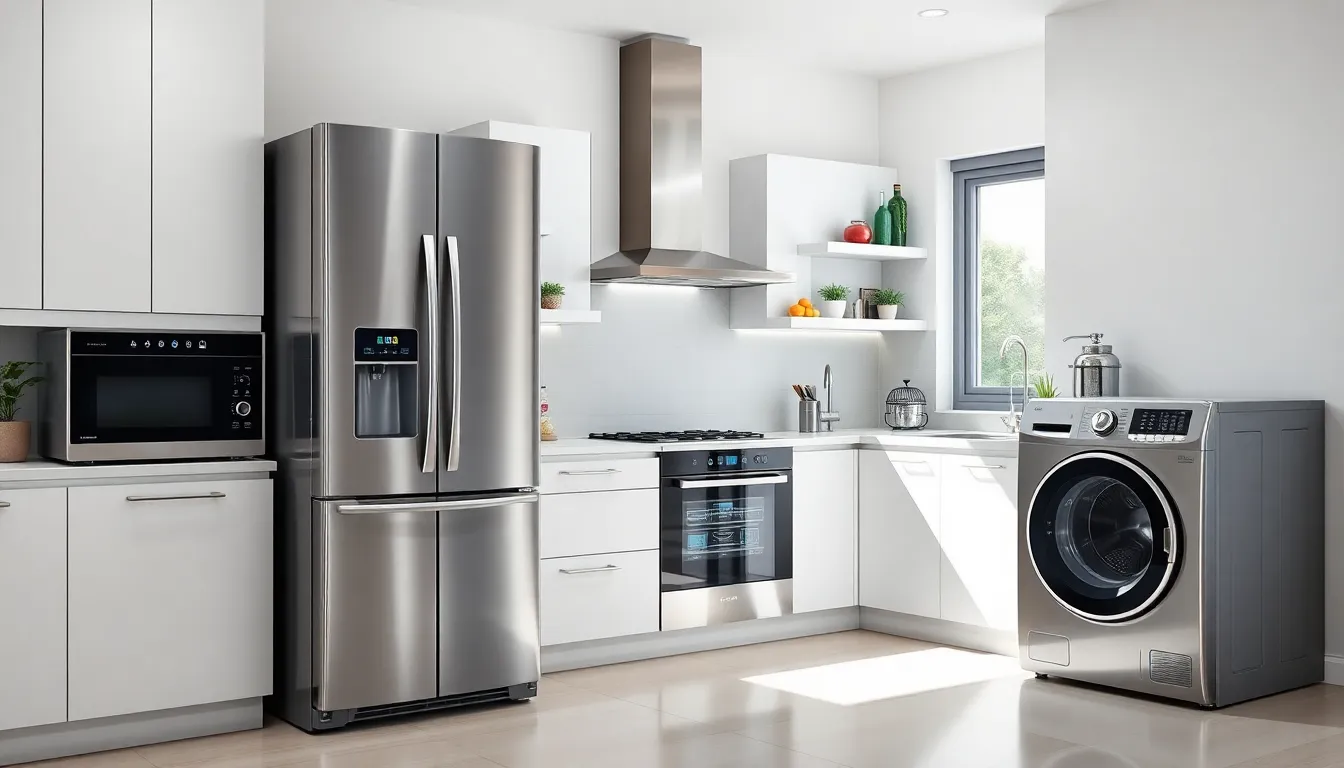
Smart home devices represent a significant advancement in residential living, offering automation and connectivity that enhance daily life.
Home Automation Systems
Home automation systems centralize control of various devices through a single interface. These systems enable homeowners to manage lighting, heating, security, and entertainment seamlessly. They accommodate voice commands and mobile applications, streamlining everyday tasks. Advanced options include programmable routines, allowing systems to adjust settings based on time or user habits. Integration with IoT devices further enhances automation possibilities, promoting energy efficiency. For example, smart thermostats can learn user preferences and automatically adjust heating and cooling patterns, optimizing energy consumption.
Smart Appliances
Smart appliances significantly improve convenience and efficiency in the kitchen and other areas of the home. Refrigerators can monitor inventory and suggest recipes based on available ingredients. Ovens can be preheated remotely, ensuring meal preparation is efficient. Washing machines equipped with connectivity features allow users to schedule cycles from a smartphone, adapting to their schedules. Additionally, smart dishwashers can optimize water and energy usage. These appliances can be integrated into home automation systems, providing unified control through a single platform, making everyday tasks more manageable and efficient.
Energy Efficiency Innovations
Energy efficiency innovations play a crucial role in transforming home technology. These advancements lead to reduced energy consumption and improved sustainability in residential spaces.
Solar Technology Advancements
Solar technology has advanced significantly in recent years, making it more accessible for homeowners. Solar panels now offer greater efficiency rates, with some models converting up to 22% of sunlight into electricity. Innovations, such as solar roof tiles, blend seamlessly with home architecture while producing energy. Battery storage systems enable the collection and use of solar energy even during non-sunny periods. Homeowners benefit from reduced electricity bills and fewer carbon emissions.
Smart Thermostats
Smart thermostats represent a key innovation in energy management. These devices learn user preferences and adjust heating and cooling settings automatically. Many models can be controlled remotely via mobile applications, allowing homeowners to optimize energy use even when away. Enhanced features include integration with weather forecasts, which helps in making adjustments based on outdoor conditions. Studies show that smart thermostats can reduce energy consumption by up to 10-12%. Their adaptability contributes to both comfort and substantial savings on energy costs.
Security Enhancements
Innovative security enhancements represent a crucial aspect of future home technology. Advanced systems promote safety while integrating seamlessly with the IoT for a comprehensive security solution.
Smart Security Systems
Smart security systems utilize cutting-edge technology to provide improved safety for homeowners. Features include smart locks that allow keyless entry through mobile devices and biometric authentication. Surveillance cameras with high-definition video and night vision capabilities enable real-time monitoring and alert homeowners to suspicious activity. Some systems incorporate facial recognition, enhancing security by differentiating between familiar faces and intruders. Centralized apps allow users to control and monitor their security devices from anywhere, ensuring peace of mind and active involvement in their home’s safety.
Monitoring Devices
Monitoring devices play a vital role in the evolving landscape of home security. Motion detectors equipped with smart technology alert homeowners to unusual movements. Environmental sensors detect smoke, carbon monoxide, and water leaks, providing immediate notifications through mobile applications. Integration with smart home hubs allows for automated responses, such as turning on lights or sounding alarms when a threat is detected. Alarm systems can be customized to send alerts not only to homeowners but also to local authorities, ensuring quick response times in emergencies. These monitoring devices contribute to a comprehensive security ecosystem designed to enhance the protection of residential spaces.
Connectivity and Integration
Connectivity and integration are transforming home technology, enabling seamless communication among devices. This integration improves convenience, efficiency, and security within residential settings.
IoT in Home Technology
IoT plays a pivotal role in home technology by linking various devices to create an interconnected environment. Smart thermostats, lighting systems, and security cameras communicate with each other and users, offering centralized control through smartphones or tablets. For instance, a smart thermostat adjusts temperatures based on occupancy data from motion sensors, optimizing energy use without user intervention. Devices can also exchange data, ensuring that users receive real-time updates on their home’s status. As these IoT devices become more prevalent, they significantly enhance energy management, convenience, and overall user experience.
Voice Assistants and Control
Voice assistants provide hands-free control over smart home systems, enhancing accessibility and ease of use. These AI-driven devices respond to voice commands, allowing users to control lighting, temperature, and entertainment systems without physical interaction. For example, a user can say, “turn off the lights” or “set the thermostat to 72 degrees,” simplifying routine tasks. Integration with other smart devices means voice assistants can also serve as central hubs for managing home security systems and energy consumption. As they evolve, voice assistants are expected to incorporate more advanced functionalities, further streamlining home management and creating a more connected living environment.
The future of home technology promises a transformative experience for homeowners. With advancements in smart appliances and security systems, daily living becomes more convenient and efficient. The integration of IoT and AI not only enhances connectivity but also optimizes energy use, making homes smarter and more sustainable.
As these technologies continue to evolve, they will redefine how individuals interact with their living spaces. Embracing these innovations will lead to improved comfort and safety, ultimately creating a more enjoyable home environment. The journey into this smart future is just beginning, and the possibilities are limitless.


