

As the world zooms into the future, home automation isn’t just for tech-savvy millennials anymore. Seniors can now enjoy the perks of smart homes without needing a PhD in robotics. Imagine controlling lights, thermostats, and even coffee makers with a simple voice command or a tap on a smartphone. It’s like having a personal assistant who never gets tired of your requests!
Home automation offers a delightful blend of convenience and safety for seniors, making everyday tasks easier and more enjoyable. With the right gadgets in place, they can maintain independence while staying connected to loved ones. So why not turn that cozy nest into a smart haven? After all, who wouldn’t want to kick back and let technology handle the heavy lifting? Let’s explore how home automation can transform the golden years into a more vibrant and hassle-free experience.
Benefits of Home Automation for Seniors
Home automation offers numerous advantages for seniors, enhancing their quality of life significantly. This technology not only promotes safety but also encourages independence.
Enhanced Safety and Security
Smart home devices provide enhanced safety for seniors. Motion sensors detect movement, alerting caregivers to potential falls. Smart locks allow for easy entry, eliminating the need for keys. Additionally, security cameras offer peace of mind, enabling seniors to monitor their surroundings. Emergency response systems can quickly connect to help in case of emergencies. With these safety features, seniors enjoy a more secure living environment.
Improved Independence and Control
Seniors gain improved independence through home automation. Voice-activated assistants facilitate control over home functions, such as lighting and temperature. Smart appliances simplify daily tasks, allowing for cooking or cleaning without hassle. Remote management of home systems enables seniors to stay in charge, making decisions at their fingertips. Automated reminders for medication or appointments keep them organized and prompt. Overall, such technology fosters a sense of autonomy, enhancing daily living.
Types of Home Automation Devices
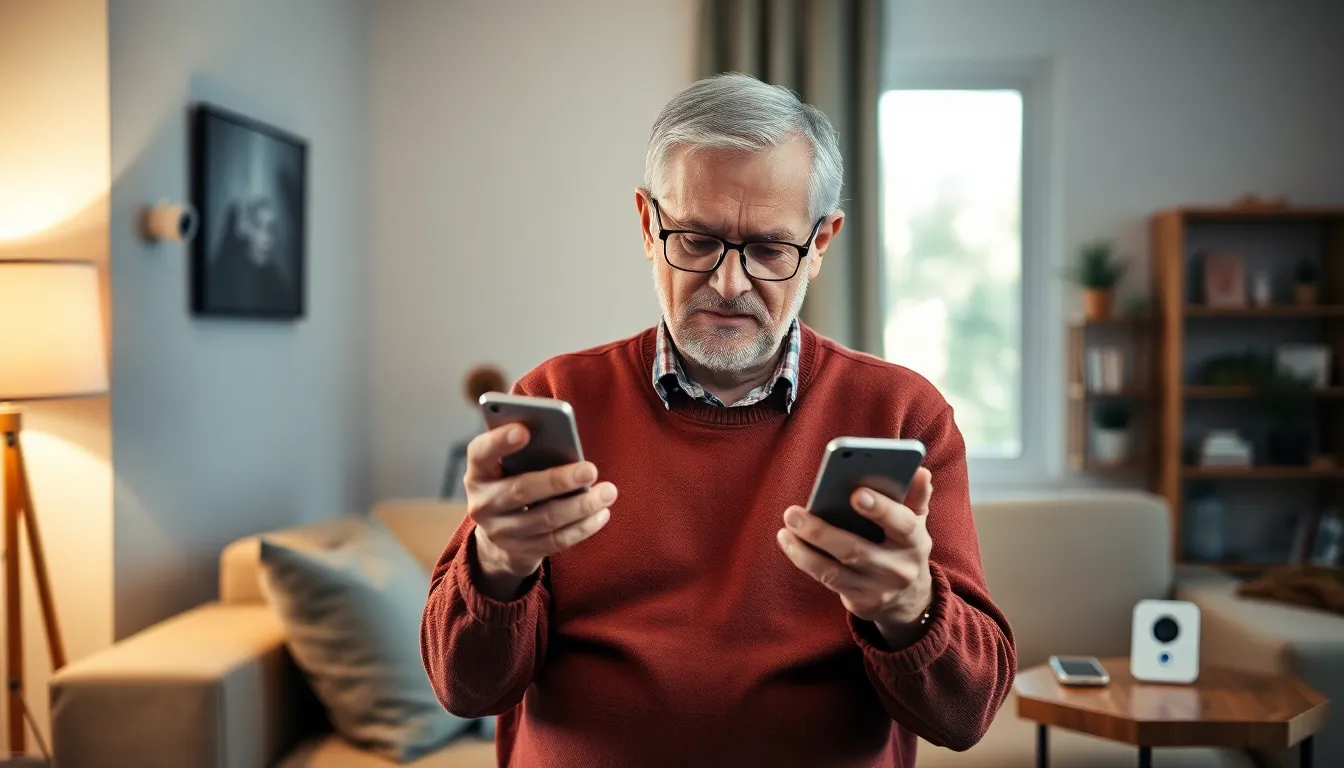
Home automation devices come in various forms, each offering unique benefits for seniors. They enhance convenience, safety, and quality of life.
Smart Lighting Solutions
Smart lighting solutions enable effortless control of lights through voice commands or mobile apps. These systems allow seniors to adjust brightness according to their needs. Motion sensors can automatically turn lights on when someone enters a room, reducing the risk of falls. Dimmable features provide customizable ambiance for different activities. Additionally, programmable schedules ensure lights turn on and off at specific times, promoting a sense of security.
Home Security Systems
Home security systems offer advanced protection for seniors at home. Smart locks allow easy remote access, enabling trusted family members to enter without a physical key. Surveillance cameras provide real-time monitoring, enhancing safety. Motion detectors alert seniors when someone approaches the home. Many systems feature emergency response options, connecting users directly to assistance if needed. The ability to monitor homes from smartphones adds peace of mind to seniors and their families.
Medical Alert Systems
Medical alert systems provide crucial support for seniors living independently. Wearable devices allow users to summon help with a single button press in emergencies. Often, these systems come with fall detection technology that triggers alerts immediately. Monitoring services are available 24/7, ensuring prompt assistance. Many devices allow easy communication with healthcare providers or family members. Peace of mind increases, knowing that help is always just a call away.
Easy-to-Use Technology for Seniors
Home automation technology features intuitive solutions designed with seniors in mind. Accessibility remains a central theme, ensuring that ease of use prevails in daily interactions.
Voice-Activated Assistance
Voice-activated assistance empowers seniors to control their environment effortlessly. Devices like Amazon Echo or Google Nest respond to spoken commands, allowing users to adjust lighting, play music, or check the weather. These assistants often integrate with other smart home devices, enabling a seamless experience. For instance, seniors can ask, “Turn on the living room lights,” simplifying their daily routines. Customizable wake words make these devices even more user-friendly. With simple voice commands, seniors maintain independence and experience a new level of convenience.
User-Friendly Interfaces
User-friendly interfaces play a vital role in home automation for seniors. Many smart home platforms provide large buttons and clear visuals, enhancing usability. Touchscreens on devices like smart thermostats or security systems offer an intuitive way to navigate features. Mobile apps often include straightforward layouts, ensuring seniors access essential controls without confusion. In addition, tutorials and customer support enhance learning and comfort. By prioritizing simplicity, technology continues to cater specifically to seniors, allowing them to embrace smart living without frustration.
Challenges and Considerations
Home automation offers numerous benefits for seniors, yet challenges remain. Addressing technological barriers and cost considerations is essential for a successful transition.
Technological Barriers
Seniors often face technological barriers that can impede their adoption of smart home devices. A lack of familiarity with technology leads to apprehension. Many smart home solutions require a stable internet connection, which may not be available in every household. Complex setups and configurations can complicate user experience. Visual impairments may hinder interactions with small screens or intricate interfaces. Providing clear instructions and simple navigation enhances accessibility. Manufacturers can support seniors by designing intuitive devices, focusing on features like voice command capabilities. Prioritizing user-centered design ensures seniors feel empowered to engage with technology.
Cost and Accessibility
Cost represents a significant barrier to home automation implementation for many seniors. The initial investment in smart devices may strain fixed incomes. While some technologies offer long-term savings, upfront costs can be daunting. Financial strain often limits the selection of available devices. Many seniors rely on assistance programs, yet these services may not cover advanced automation systems. Accessibility to affordable devices remains a critical concern. To ease these challenges, companies can introduce budget-friendly options tailored for senior users. Ensuring affordability helps promote widespread adoption, allowing more seniors to benefit from home automation solutions.
Conclusion
Home automation offers invaluable benefits for seniors looking to enhance their quality of life. By embracing smart technology, they can enjoy increased safety, independence, and convenience in their daily routines. The ability to control home environments with ease fosters a sense of autonomy that many seniors cherish.
As technology continues to evolve, it’s essential for manufacturers to prioritize accessibility and affordability. By addressing the unique challenges seniors face, the industry can ensure that more individuals can take advantage of the transformative power of home automation. Ultimately, these innovations create a brighter, more connected future for seniors, allowing them to thrive in their own homes.


