

In today’s fast-paced world, home control systems are revolutionizing the way people interact with their living spaces. These smart technologies empower homeowners to manage everything from lighting and temperature to security and entertainment with just a few taps on their smartphones. As the demand for convenience and efficiency grows, so does the appeal of integrated home systems.
Imagine coming home to a perfectly lit environment, the temperature just right, and your favorite music playing softly in the background. Home control systems make this dream a reality, offering seamless connectivity and automation that enhances daily life. With advancements in technology, it’s easier than ever to transform any house into a smart home, providing not just comfort but also increased energy efficiency and security.
Overview of Home Control Systems
Home control systems represent a significant advancement in residential technology. These systems integrate various household functions to enhance convenience and efficiency. Users can manage lighting, heating, cooling, security, and entertainment systems through smartphones and smart devices.
Key Components
- Smart Lighting
Smart lighting systems allow users to control the brightness and color of lights remotely. They can schedule routines or adjust settings based on occupancy.
- Thermostats
Smart thermostats learn user preferences and optimize heating and cooling schedules. This leads to increased energy savings and comfort.
- Security Systems
Integrated security systems include cameras, motion detectors, and alarms that homeowners can monitor in real-time. Notifications provide immediate alerts for any unusual activity.
- Entertainment Systems
Home control systems can streamline entertainment options. Users access music, streaming services, and home theaters from a single interface.
- Smart Appliances
Smart appliances, such as refrigerators and ovens, connect to home networks. This allows remote monitoring and control for more efficient use.
Benefits of Home Control Systems
- Increased Energy Efficiency
Automation minimizes energy waste by optimizing resource use based on real-time data.
- Enhanced Security
Continuous monitoring and alerts contribute to a safer living environment.
- Improved Comfort
Customizable settings cater to individual preferences, increasing overall comfort.
- Time-Saving Convenience
Automated processes simplify daily tasks and free up time for homeowners.
Home control systems significantly reshape how residents interact with their environments. Their integration allows easier management of daily tasks, enhancing safety, comfort, and efficiency in modern living.
Types of Home Control Systems
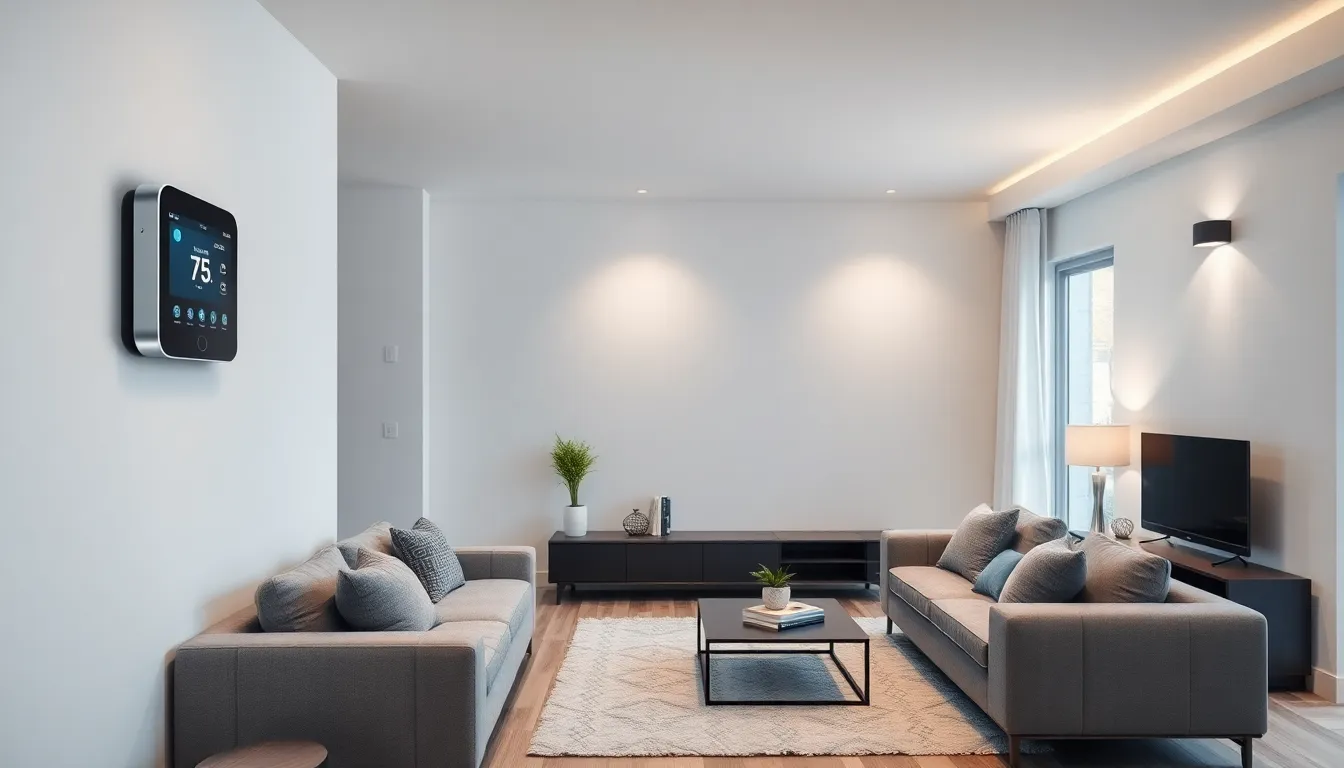
Home control systems come in various types, each catering to specific needs in a smart home environment. These systems enhance comfort, security, and efficiency through seamless integration.
Smart Thermostats
Smart thermostats adjust home temperatures automatically based on user preferences and behaviors. They enable remote access through smartphones, allowing users to alter settings while away. Advanced models utilize machine learning to optimize energy usage, resulting in up to a 15% reduction in heating and cooling bills annually. Examples include the Nest Learning Thermostat and Ecobee SmartThermostat.
Security Systems
Security systems incorporate cameras, motion detectors, door sensors, and alarms for comprehensive protection. Many systems offer real-time monitoring and notifications to users’ smartphones. Features such as facial recognition and night vision enhance security capabilities. Notable options include Ring, Arlo, and August Smart Lock, which provide robust surveillance and control.
Lighting Control
Lighting control systems manage brightness, color, and scheduling conveniently. Users can automate light settings to align with routines or moods. These systems support voice commands and mobile app controls, promoting ease of use. Brands like Philips Hue and Lutron Caséta enable versatile lighting solutions that contribute to energy savings and ambiance customization.
Benefits of Home Control Systems
Home control systems offer numerous advantages that significantly enhance the quality of modern living. These systems improve energy efficiency, bolster security, and provide unmatched convenience and comfort.
Energy Efficiency
Energy efficiency stands as a primary benefit of home control systems. Smart thermostats adjust heating and cooling automatically, achieving temperature optimization and potentially reducing energy bills by 15%. Lighting control systems, utilizing LED technology, can lower energy usage by allowing users to set schedules and remotely control lights. Moreover, integrated energy monitors track consumption, enabling homeowners to make informed choices about usage patterns.
Enhanced Security
Enhanced security represents another crucial aspect of home control systems. Smart security systems utilize surveillance cameras, motion detectors, and smart locks to create comprehensive protective measures. Real-time alerts notify homeowners of suspicious activities, while remote access allows for immediate monitoring from smartphones. Advanced features, such as facial recognition and geofencing, further strengthen home security by providing personalized responses and alerts based on user presence.
Convenience and Comfort
Convenience and comfort are integral to the appeal of home control systems. Homeowners can easily manage various aspects of their homes, ranging from lighting to entertainment, through a single interface. Automation features, like scheduled lighting patterns or climate control settings, enhance everyday comfort and simplify routines. By integrating smart appliances, users streamline tasks, such as controlling ovens or refrigerators, with voice commands or app functionality, promoting a seamless living environment.
Challenges of Home Control Systems
Challenges associated with home control systems can impact user experience and effectiveness. Two primary concerns include compatibility issues and security risks.
Compatibility Issues
Compatibility issues frequently arise in home control systems due to varying technology standards and protocols. Many devices may not seamlessly integrate with one another, limiting their functionality. Users often find that certain smart devices, regardless of brand, do not communicate effectively, leading to a disjointed experience. For example, Zigbee and Z-Wave devices require specific hubs for integration, creating additional complexity. Moreover, firmware updates can cause temporary disruptions or necessitate manual reconfigurations. Ensuring that all devices operate smoothly requires careful selection, making compatibility a significant hurdle for homeowners.
Security Concerns
Security concerns pose serious risks to home control systems. Cybersecurity threats can compromise personal data and device functionality. Vulnerabilities in IoT devices make them attractive targets for hackers. Unauthorized access can lead to privacy violations or even physical breaches, depending on the devices compromised. Homeowners must frequently update passwords and enable two-factor authentication to mitigate these risks. Additionally, securing the home network using strong encryption standards is essential; any lapse can expose the entire system to potential attacks. Addressing these security concerns is crucial in safeguarding both data and personal safety within the smart home environment.
Future Trends in Home Control Systems
Emerging technologies shape the future of home control systems, enhancing convenience and functionality. Key trends include increased integration of artificial intelligence (AI) and machine learning, which promote personalized experiences. These systems anticipate user preferences based on patterns, adjusting settings automatically to optimize comfort and efficiency.
Emerging voice-activated controls significantly influence user interaction. Devices like Amazon Echo and Google Home offer hands-free management of functionalities, allowing users to control lighting, temperature, and security effortlessly. This integration enhances accessibility for all demographic groups, streamlining daily tasks.
Increased focus on energy efficiency drives development in smart home systems. Technologies like smart thermostats and energy monitoring apps provide real-time insights into energy use. Users can access data that enable informed decisions, leading to reduced costs and lower carbon footprints.
Enhanced security measures become crucial as homeowners prioritize safety. Next-generation security systems incorporate advanced features such as biometric authentication, facial recognition, and integration with local emergency services. These improvements offer comprehensive surveillance and peace of mind.
Interoperability remains a vital focus, addressing the challenge of compatibility among different devices. Standardization efforts by organizations aim to create seamless communication between devices from various manufacturers. Enhanced compatibility supports a more cohesive smart home environment, leading to improved user experiences.
Finally, the rise of 5G technology promises increased connectivity and faster response times for smart devices. This advancement allows for more sophisticated system functionalities, enabling users to control their homes remotely with minimal latency. The future of home control systems showcases ongoing innovation aimed at enhancing security, efficiency, and user satisfaction.
Home control systems are reshaping the way people experience their living spaces. By integrating smart technologies into daily life, homeowners enjoy unparalleled convenience and efficiency. From optimizing energy use to enhancing security, these systems offer a comprehensive solution to modern living challenges.
As technology continues to evolve, the potential for home control systems will only grow. With advancements like AI and 5G connectivity, users can expect even more seamless interactions and personalized experiences. Embracing these innovations not only improves comfort but also ensures a safer and more efficient home environment. Investing in a smart home system is more than a trend; it’s a step towards a smarter future.


