

In a world where even your coffee maker can send you a text, why not let your home do the same? Remote home monitoring is like having a personal assistant for your house—one that never takes a vacation or forgets to water the plants. With smart technology at your fingertips, homeowners can keep an eye on their property from anywhere, whether they’re lounging on a beach or stuck in a boring meeting.
Overview Of Remote Home Monitoring
Remote home monitoring encompasses advanced technologies that allow homeowners to oversee their properties from afar. Utilizing smart devices, users can receive real-time updates on their home’s status. Sensors, cameras, and alarms facilitate this monitoring, providing peace of mind during travel or while at work.
Home security transforms with remote monitoring. Users access feeds from security cameras via mobile devices, granting visibility into their property at any time. Alerts notify homeowners of suspicious activities, enabling prompt actions like contacting authorities.
Energy management benefits from remote monitoring solutions. Smart thermostats and energy sensors help track and control energy usage, allowing homeowners to adjust settings based on real-time data. This can lead to significant savings on utility bills while promoting energy efficiency.
Another aspect involves home automation. Remote monitoring systems integrate with home devices, offering centralized control. Homeowners can manage lighting, locks, and appliances through applications, ensuring the home remains secure and energy-efficient.
Remote home monitoring also addresses environmental concerns. Users can receive alerts for issues such as leaking pipes or smoke detection, enabling swift responses to prevent damage. Regular monitoring fosters a proactive approach to home maintenance, ultimately prolonging the life of systems and devices.
A growing community around remote monitoring support enhances user experience. Online forums, customer support, and instructional content provide homeowners with resources to optimize their systems. This interconnectedness enriches the overall value of remote home monitoring solutions.
Benefits Of Remote Home Monitoring
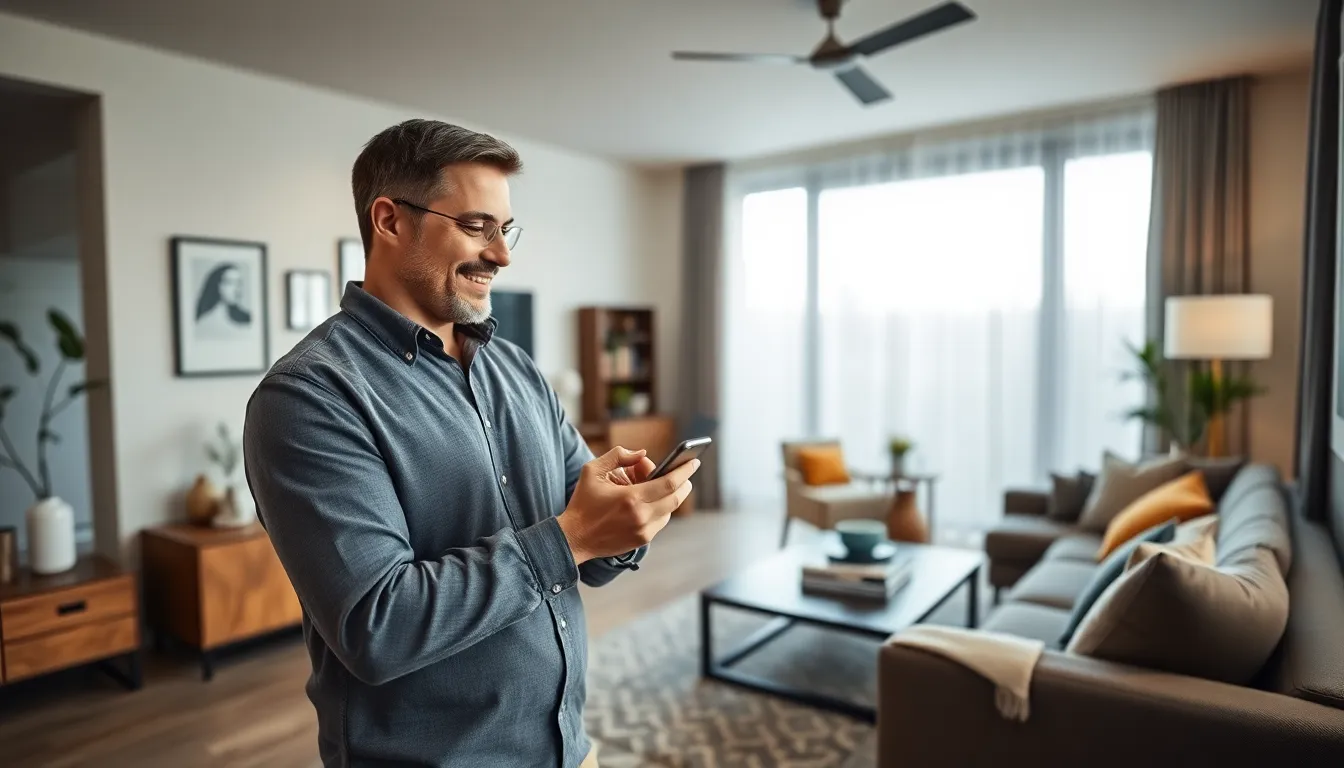
Remote home monitoring offers critical advantages for homeowners, enhancing security and promoting well-being. This technology ensures that users feel confident about their property, whether at home or away.
Enhanced Safety And Security
Safety becomes paramount with remote home monitoring. Homeowners can access live feeds from security cameras through their smartphones, giving them real-time visuals of their property. Alerts for suspicious activities arrive instantly, enabling rapid responses. Integration with motion sensors adds another layer of defense, ensuring no activity goes unnoticed. With a quick check, users can confirm their home’s safety, allowing for reduced anxiety during travel or extended absences.
Improved Health Management
Remote monitoring enhances health management through environmental awareness. Smart devices can detect issues like carbon monoxide levels or smoke, alerting homeowners to dangers promptly. In addition, monitoring temperature fluctuations can prevent problems for vulnerable individuals, like the elderly or those with health conditions. Technology also enables reminders for medication schedules or routine tasks, contributing to overall wellness. By proactively managing these factors, users maintain a healthier living environment while promoting peace of mind.
Technologies Used In Remote Home Monitoring
Remote home monitoring relies on various innovative technologies to enhance security and convenience. These tools empower homeowners to maintain a vigilant watch over their properties.
Smart Sensors
Smart sensors play a critical role in remote monitoring systems. Temperature sensors detect fluctuations, alerting users to potential problems. Door and window sensors trigger notifications when openings occur unexpectedly, enhancing security. Motion sensors identify unusual movements, contributing to a more secure environment. Water leak detectors signal when moisture is present, preventing costly water damage. These sensors communicate with central systems, ensuring homeowners remain informed about their property’s status anytime.
Wearable Devices
Wearable devices complement remote home monitoring efforts by prioritizing health and security. Smartwatches and fitness trackers can monitor vital signs, keeping users informed about their health. In emergency situations, wearables can send alerts to emergency contacts, providing an immediate response option. Some devices even feature location tracking for added safety, ensuring help can reach individuals quickly. Integrating wearables with home monitoring systems enhances safety, allowing users to receive real-time health updates and alerts in conjunction with home security measures.
Challenges In Remote Home Monitoring
Remote home monitoring also faces several challenges that users should recognize.
Data Privacy Concerns
Data privacy tops the list of issues. Homeowners increasingly rely on smart devices that gather sensitive information, including surveillance footage and personal habits. This data, if mishandled, can lead to unauthorized access and breaches. Users often question where their data goes and how securely it is stored. Cybersecurity threats also increase as smart devices become more interconnected. Unlike traditional security systems, these technologies create new vulnerabilities. Strategies for safeguarding personal data, such as encryption and secure passwords, play a vital role in addressing these concerns.
Technical Limitations
Technical limitations present another significant hurdle. Not all homes possess the internet speed required for efficient remote monitoring. Connectivity issues can lead to delayed notifications or disrupted camera feeds. In addition, compatibility challenges arise when integrating various devices from different manufacturers. Users may struggle to synchronize systems, limiting the effectiveness of their monitoring solutions. Limited battery life of some devices also raises concerns about continuous monitoring. Regular updates and maintenance are essential to keep systems operational, adding further complexity for homeowners.
Future Trends In Remote Home Monitoring
Remote home monitoring is evolving rapidly, with emerging technologies enhancing user experience. Artificial intelligence integration will likely play a significant role, analyzing data from sensors and cameras to optimize home security. Machine learning algorithms can identify patterns, distinguishing between regular activities and potential threats.
5G technology will increase the speed and reliability of device communication. High-speed connectivity enables real-time data transmission, reducing lag in alarm notifications and video feeds. Such advancements will make remote monitoring systems more efficient.
Voice-activated assistants are gaining traction in remote home monitoring. Homeowners will enjoy seamless control over systems by using simple voice commands. Compatibility with smart home ecosystems will expand, allowing for easier management of various household devices.
Predictive analytics will become essential for proactive maintenance. Monitoring systems will analyze historical data to foresee issues like equipment failure, prompting users to act before problems escalate. This feature enhances system longevity and reduces repair costs.
Energy management solutions will also see improvements. Homeowners will benefit from real-time insights into energy consumption patterns, helping them make informed decisions to reduce costs. Smart thermostats will dynamically adjust settings based on user preferences and occupancy patterns.
Data privacy solutions will rise in importance as well. Homeowners demand robust security measures to protect their sensitive information. Enhanced encryption protocols and two-factor authentication will become standard features in remote monitoring systems.
Lastly, community-driven support will strengthen the remote home monitoring landscape. Online forums and customer networks will provide valuable resources and shared experiences. This collaborative approach fosters an informed user base eager to make the most of their remote monitoring systems.
Conclusion
Remote home monitoring offers homeowners a powerful tool for enhancing security and managing their properties efficiently. With smart technology at their fingertips they can monitor their homes from anywhere ensuring peace of mind. The integration of various devices not only improves safety but also promotes energy management and proactive maintenance.
As technology continues to evolve the future of remote home monitoring looks promising. Innovations like artificial intelligence and 5G connectivity will further streamline operations and enhance user experience. While challenges such as data privacy and technical limitations exist the benefits far outweigh the drawbacks. Embracing these advancements can lead to a safer more efficient home environment.


