

In a world that’s getting smarter by the minute, it’s curious how many seniors still feel left in the dust. This article is like a warm hug for those tech-wary folks, unraveling the wonder of smart home devices just for them. Imagine a home that watches your back, reminds you to take your meds, and even lets your loved ones check in, all with just a gentle tap or voice command. If you think technology is just for the young whippersnappers, think again. Smart home devices are here to bridge the generational gap and make life easier, safer, and a whole lot more enjoyable. So, grab a comfy chair, and let’s jump into how these technological marvels work wonders for seniors.
Understanding The Importance Of Smart Home Technology For Seniors
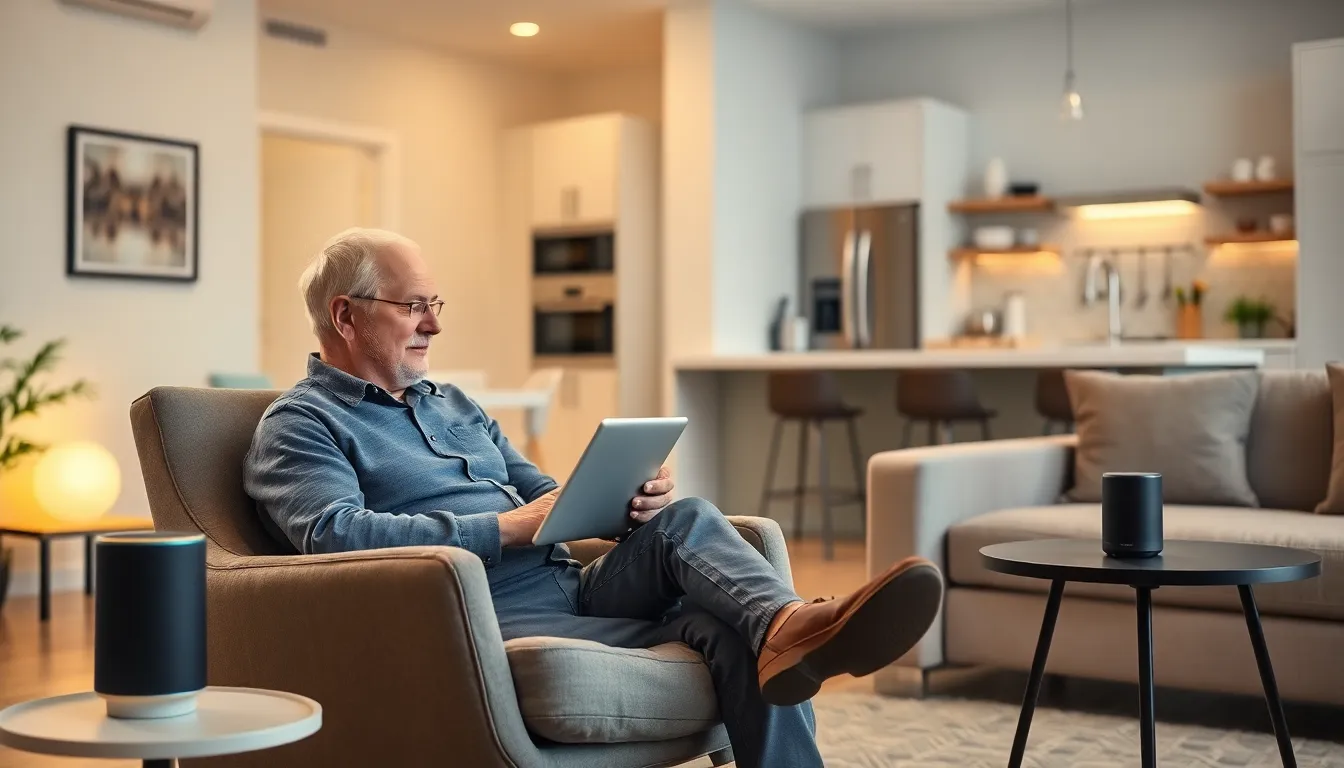
Smart home technology isn’t just a trend: it’s a lifeline for many seniors. As we age, everyday tasks can become more challenging. The allure of this technology lies in its ability to simplify life, offering solutions that enhance dignity and independence. With devices designed specifically for senior needs, technology transforms the home environment into a haven of comfort.
Also, these devices can foster a sense of security. They keep families connected while enabling individuals to maintain their privacy and independence. Picture this: an elderly parent managing their home solo, yet feeling ‘tethered’ to family members through easy communication channels. This kind of ingenuity can make all the difference in encouraging seniors to embrace their golden years with confidence.
Benefits Of Smart Home Devices In Daily Living
Smart home devices pack a punch when it comes to daily living enhancements. Here’s a breakdown of their stellar benefits:
- Safety: Devices with motion sensors and alarms provide peace of mind for both seniors and their families. Knowing that help is just a button away greatly alleviates anxieties about living alone.
- Convenience: Voice-activated assistants mean no more scrambling for remotes or forgetting to turn off appliances. A simple command can control lights, thermostats, and more.
- Health Monitoring: Specialized devices can track vital signs, medication schedules, and even detect falls, ensuring seniors stay on top of their health without feeling overwhelmed.
- Social Connectivity: Tablets and smart home computers can help video calls, bridging any gaps in social interaction. They can also remind seniors about social events or even just tell them the weather.
Popular Smart Home Devices For Seniors
When diving into the sea of smart home devices, some stand out as must-haves for the senior demographic:
Home Safety and Security Devices
- Smart Doorbells: These devices provide a view of who’s at the door from anywhere in the house, reducing the need for seniors to rush to answer it.
- Security Cameras: Outfitted with motion detection, they can alert both seniors and family members of any unusual activity.
- Smart Locks: These locks can be controlled via smartphone, allowing seniors to grant access to caregivers or family members with ease.
Health Monitoring Devices
- Wearable Health Trackers: These nifty gadgets monitor heart rates, activity levels, and sleep patterns, popping up reminders to stay active or take medication.
- Smart Pill Dispensers: No more missed meds. These dispensers remind users when it’s time to take their medications, with alarms and even automatic notifications to family if doses are skipped.
Communication Devices
- Tablets with Video Calling: Tablets enable seniors to connect face-to-face with family and friends, minimizing feelings of isolation.
- Voice Assistants: Devices like Amazon Echo or Google Home can set reminders, play music, and answer questions, all with simple voice commands.
Smart Home Automation Systems
Diving deeper than individual devices, smart home automation systems can centralize control. Imagine one app managing everything: lights, locks, cameras, and temperature. This central station simplifies operations and enhances convenience.
These systems can also be programmed to create routines. For instance, lights could dim automatically at bedtime, or the thermostat could adjust based on the time of day. Such customization optimizes comfort, making life for seniors seamless and stress-free. Effortless automation can significantly reduce the mental load often carried by older adults, offering them the freedom they cherish.
Considerations When Choosing Smart Home Devices
Selecting the right smart home devices involves a bit of assignments. Here are key aspects to keep in mind:
- User-Friendliness: Not all tech is created equal. Opt for devices with easy controls and interfaces. Look for those designed with seniors in mind, think larger buttons or voice activation.
- Compatibility: Many devices operate on different platforms. Ensure that chosen devices can integrate well and work together, avoiding the tech maze that can discourage even the most tech-savvy of seniors.
- Privacy and Security: Seniors should feel safe using smart devices. Research products that prioritize user privacy and offer solid security features. It’s crucial to know that personal information is protected.
- Customer Support and Community: Strong customer support can make all the difference. Identify brands known for reliable service, and consider communities or forums for advice and support from other users.


