Table of Contents
ToggleThe kitchen keeps evolving, and so should the furniture in it. An extendable kitchen island adapts to how homeowners actually use their space, compact when they’re cooking, expanded when hosting, and reconfigured when the work demands it. Unlike fixed islands that lock a homeowner into one layout, extendable designs shift between tasks without tearing out cabinetry or calling a contractor. They’re especially useful in smaller kitchens where every square foot counts, but even large spaces benefit from the flexibility. This guide walks through the mechanics, benefits, and practical considerations for choosing or building an extendable kitchen island.
Key Takeaways
- An extendable kitchen island adapts between cooking and entertaining by expanding with hinged leaves, pull-out surfaces, or slide-out mechanisms, eliminating the need for both a fixed island and separate dining table.
- Extendable kitchen islands maximize space efficiency by leaving at least 42 inches of critical aisle clearance when retracted while providing expanded work surfaces when extended, making them ideal for smaller kitchens and open-plan layouts.
- A DIY extendable island costs $250–$900 depending on materials, compared to $1,200+ for custom cabinetry plus a dining table, delivering significant cost savings without sacrificing functionality or home value.
- Drop leaf and flip-up extensions work best for standard 36-inch counter heights, while pull-out slides demand precise level installation but offer heavier load capacity (100+ pounds) and hidden hardware for modern aesthetics.
- Always measure extended dimensions in context (accounting for refrigerator and pantry clearance), verify hardware weight ratings for dining use, and ensure freestanding extendable islands are weighted or bolted to prevent tipping hazards.
What Is an Extendable Kitchen Island and Why You Need One
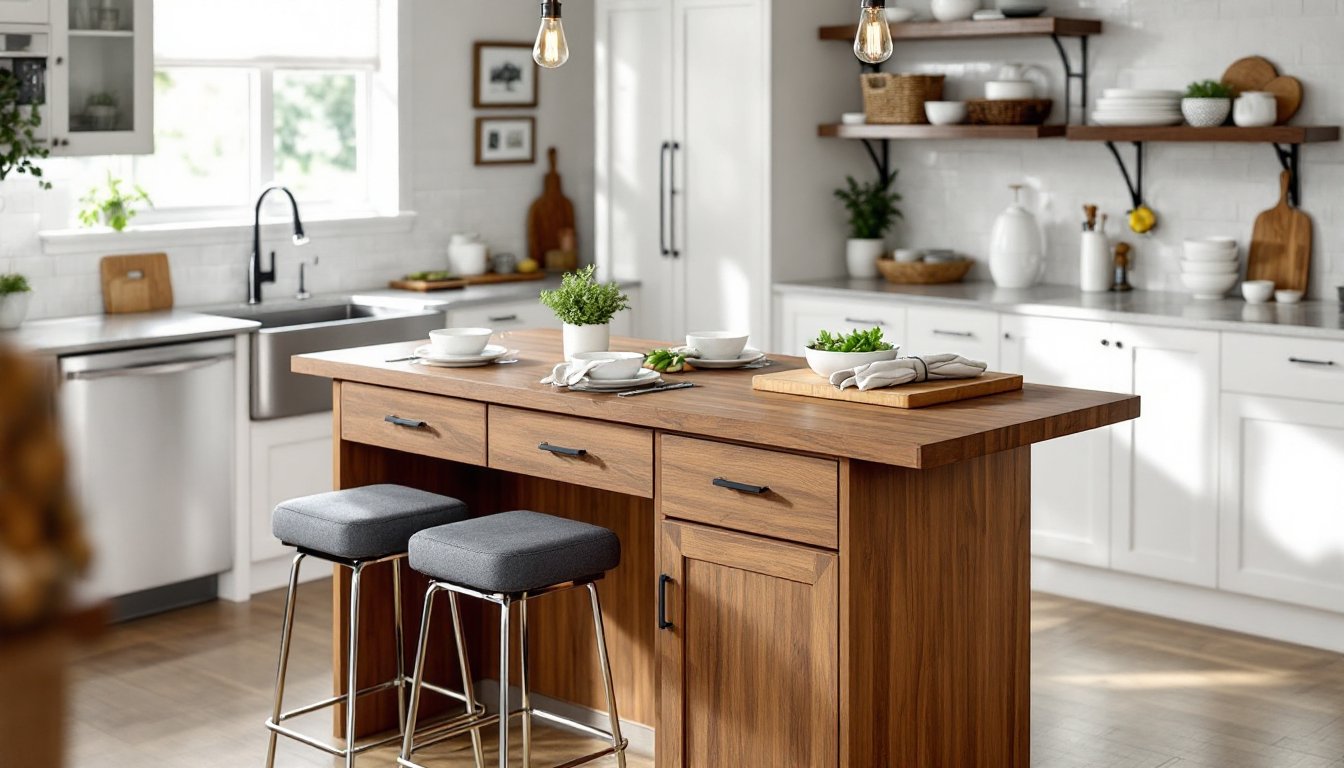
An extendable kitchen island is a freestanding or built-in unit that expands and contracts through hinged leaves, pull-out surfaces, or slide-out panels. The core structure remains fixed, but extension mechanisms add temporary counter or dining space when needed. Some models double the surface area in seconds.
These islands serve dual roles. They function as prep zones with storage underneath when retracted, then convert to dining surfaces or buffet stations when extended. The transition doesn’t require tools, just a lift, pull, or flip depending on the mechanism.
Homeowners with open-plan layouts use them to define zones without blocking sightlines. A retracted island maintains flow during weekday cooking. Extended, it anchors family dinners or provides a staging area when plating holiday meals. The flexibility prevents the island from becoming an obstacle when space needs to serve multiple purposes throughout the day.
This adaptability also matters in homes where the kitchen footprint can’t accommodate a permanent dining table. An extendable island with integrated dining capacity replaces both a prep surface and a small table, consolidating functions without sacrificing either.
Top Benefits of Installing an Extendable Kitchen Island
Space efficiency ranks first. Retracted islands leave clearance for traffic patterns, critical in kitchens where the National Kitchen and Bath Association recommends at least 42 inches of aisle space around work zones. When extended, the island uses that same footprint more intensively without permanent intrusion.
Cost savings come next. Instead of budgeting for both a fixed island and a separate dining table, one extendable unit covers both roles. Material and labor costs drop accordingly. A DIY build using dimensional lumber and hardware can run $300–$600 depending on size and finish, versus $1,200+ for custom cabinetry plus a table.
Increased home value follows function. Real estate agents note that flexible kitchen features appeal to buyers who tour homes with varying household sizes in mind. An island that adapts to different entertaining styles or family configurations reduces the mental barrier of “will this work for us?”
Enhanced workflow shows up during meal prep. Cooks can extend the surface when rolling dough, assembling charcuterie boards, or setting out ingredients for multi-course dinners, then retract it to regain aisle width for oven access. The ability to optimize kitchen workspace dynamically beats static layouts that force compromises.
Finally, social function improves. Guests gather at the extended island for casual dining or conversation while the host finishes cooking. It replaces the awkward dynamic of walling off the cook behind a traditional island or banishing guests to a separate dining room.
Popular Types of Extendable Kitchen Islands
Drop Leaf and Flip-Up Extensions
Drop leaf islands use hinged panels that fold down flush with the sides when not in use. Lifting the leaf and locking a swing-out bracket or gateleg support creates an overhang for seating or additional work surface. The mechanism dates to colonial furniture but remains practical for modern kitchens.
Gateleg supports pivot out from the island’s body to hold the leaf at table height. They’re stable enough for dining but require clearance underneath, not ideal if the island has lower storage drawers that extend fully. Swing-out brackets mount to the underside of the leaf and lock into slots on the island frame. They take less space but handle lighter loads: manufacturers typically rate them for 50–75 pounds of distributed weight.
Flip-up extensions hinge upward from a recessed slot in the island top, then lock into place with sliding bolts or spring-loaded pins. They’re common in contemporary designs where visible brackets would clash with clean lines. The hinge hardware must be robust, continuous (piano) hinges spanning the full width distribute stress better than two or three butt hinges. Plans for a drop leaf kitchen island demonstrate how to size supports and attach hardware.
Both styles work well for kitchens with 36-inch standard counter height or 42-inch bar height. Drop leaves typically extend 12–18 inches beyond the island body, providing knee space for two to three stools.
Pull-Out and Slide-Out Mechanisms
Pull-out extensions hide inside the island and slide out on drawer glides or custom rails when needed. They double the working surface without hinges or visible hardware. Higher-end units use full-extension ball-bearing slides rated for 100+ pounds, allowing the extension to cantilever without sagging.
Some designs stack two pull-out surfaces, one at counter height for prep, another slightly lower for a laptop or cookbook stand. Others integrate a fold-down panel at the end of the pull-out, creating an L-shaped extension. The latter requires clearance on two sides but maximizes surface area in tight quarters.
Slide-out tables function as retractable dining surfaces. The tabletop rides on a frame that telescopes outward, usually with locking pins to prevent accidental retraction under load. This style suits a kitchen island with extendable dining table functionality, especially in spaces where the island backs onto a seating area. The extension can hold place settings and serve as an eat-in counter, then disappear when floor space is needed.
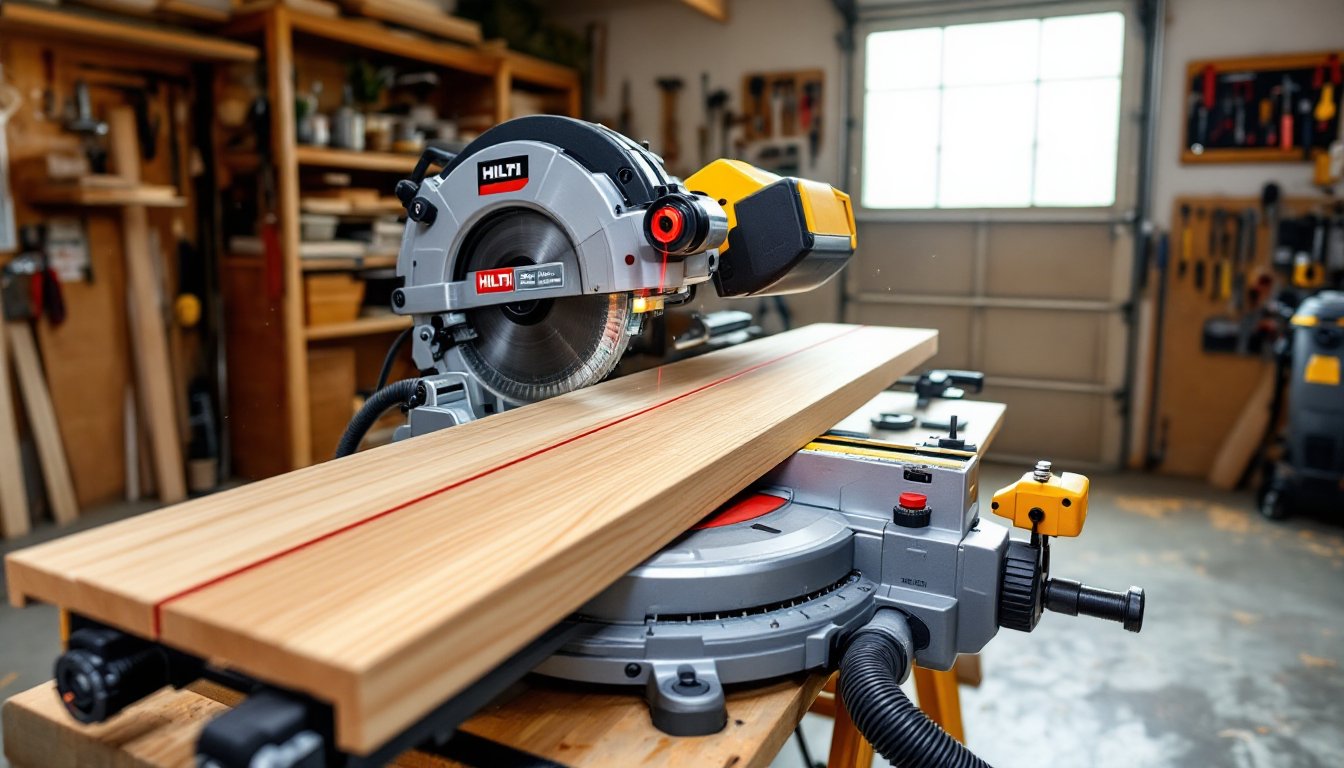
Installation demands precision. Drawer slides must mount level and square, or binding occurs. For woodworking projects requiring tight tolerances, a quality miter saw and a carpenter’s square are essential. Most DIYers use ¾-inch plywood or MDF for the sliding panel core, then apply edge banding or solid wood trim to hide the laminate edges.
How to Choose the Right Extendable Island for Your Kitchen
Start by measuring clearances. When retracted, the island should leave at least 42 inches between its edge and surrounding counters or appliances (48 inches is better for households with multiple cooks). Measure extended dimensions next, don’t assume the marketing specs account for your space. A 60-inch island with an 18-inch drop leaf becomes 78 inches when opened. Will that block the refrigerator door or the path to the pantry?
Counter height matters if the extension serves as dining space. Standard 36-inch height works with 24-inch stools that provide a 12-inch seat-to-counter gap. Bar-height islands at 42 inches require 30-inch stools. Mixing heights on the same island is awkward, choose one and stick with it.
Assess load requirements honestly. If the extension will hold a Thanksgiving turkey or a stand mixer, verify the hardware rating. Consumer-grade drop leaf brackets often max out at 50 pounds. Commercial slides rated for 150+ pounds cost more but prevent catastrophic sagging mid-dinner.
Material durability depends on use. Butcher block tolerates hot pots and knife marks but requires periodic oiling. Quartz composite resists stains and scratches but costs $60–$100 per square foot fabricated. Laminate over plywood keeps costs down ($15–$30 per square foot) and handles moderate abuse, though edges chip over time.
Check whether the design includes electrical outlets or plumbing. Adding these later requires fishing wiring through cabinets or cutting into finished surfaces. If the island will host a cooktop or prep sink, confirm that local codes allow it, some jurisdictions require islands with appliances to be hard-plumbed and permanently anchored, which can limit extension mechanisms.
Finally, storage layout influences which extension type fits. Drop leaves work with open shelving or full-depth cabinets. Pull-out extensions sacrifice interior depth on one side, reducing storage capacity by 15–25%. Balance surface area gains against lost cabinet space.
DIY vs. Ready-Made: Which Extendable Island Option Is Best?
Ready-made islands arrive fully assembled or flat-packed with instructions. Big-box retailers stock models ranging from $400 to $2,000, with extension mechanisms pre-installed. Finishes are limited, usually white, gray, or natural wood tones. Quality varies: inspect hinge welds, slide smoothness, and whether the frame uses solid wood or particleboard. Units under $600 often substitute stapled corners for mortise-and-tenon joinery, which loosens under repeated extension cycles.
Pros of ready-made: speed (delivered in days), no specialized tools required, and a known total cost. Cons: fixed dimensions, generic styling, and hardware that’s difficult to replace if it fails. Most manufacturers don’t sell replacement parts: a broken slide means buying a new island.
DIY builds allow customization of size, height, materials, and finish. A motivated DIYer with a table saw, drill, and pocket-hole jig can assemble a functional island in a weekend. Material costs for a 48-inch by 24-inch island with a drop leaf run roughly $250–$400 if using cabinet-grade plywood and mid-tier hardware. Upgrading to solid hardwood raises costs to $600–$900.
The learning curve isn’t trivial. Achieving flush alignment on a drop leaf requires routing a hinge mortise so the top sits flat when closed. Pull-out slides demand parallel mounting holes drilled to 1/16-inch tolerance. Mistakes add time and wasted material, budget an extra 20% for errors if it’s a first project.
DIY advantages: exact fit for the space, choice of drawer configurations, and ability to match existing cabinetry. The island can integrate with the home’s aesthetic rather than standing out as an add-on. Disadvantages: time investment (20–40 hours for a first build), need for accurate measuring and cutting tools, and the risk of uneven results if joinery skills aren’t sharp.
For homeowners with basic woodworking experience, building an extendable island makes sense when:
- Standard retail sizes don’t fit the kitchen footprint
- Existing cabinetry has a custom stain or finish to match
- The budget allows for quality materials but not custom cabinetry shop pricing ($3,000+)
If carpentry isn’t a strong suit, ready-made units deliver function without the trial-and-error of learning joinery under deadline pressure.
Safety note: Whether building or buying, ensure the island won’t tip when someone leans on an extended leaf. Freestanding islands taller than 36 inches or with extensions exceeding 18 inches should either bolt to the floor or use a weighted base. Test stability before letting kids or guests use the extended surface. Anti-tip brackets similar to those used for ranges can anchor the island to a wall if placement allows.