Table of Contents
ToggleFluted bathroom vanities have surged in popularity, combining classic architectural detailing with modern functionality. The vertical grooves, borrowed from centuries-old column designs, add texture and visual interest without overwhelming a space. Whether renovating a powder room or overhauling a primary bath, a fluted vanity bathroom setup brings depth and sophistication that flat-panel cabinets can’t match. This guide walks through what makes fluted vanities distinct, why they’re worth considering, and how to select and install one that fits your project.
Key Takeaways
- A fluted bathroom vanity features vertical grooves that add texture and visual depth while making small spaces feel larger without competing visual noise.
- Fluted vanities work across traditional, transitional, and modern design styles and hide fingerprints and water spots better than flat-panel cabinets.
- Quality wooden fluted vanities range from $800–$2,500, while painted MDF options cost $500–$1,200, but DIY retrofitting with adhesive fluted panels offers budget-friendly alternatives at $40–$60 per sheet.
- Proper installation requires careful leveling to avoid skewed vertical lines, protective measures during countertop installation, and thorough sealing of wood surfaces to prevent moisture damage.
- Routine maintenance of fluted bathroom vanity designs involves weekly microfiber cloth wiping and periodic soft-bristle brushing in grooves with mild soap, while properly sealed units can last 15+ years.
What Is a Fluted Bathroom Vanity?
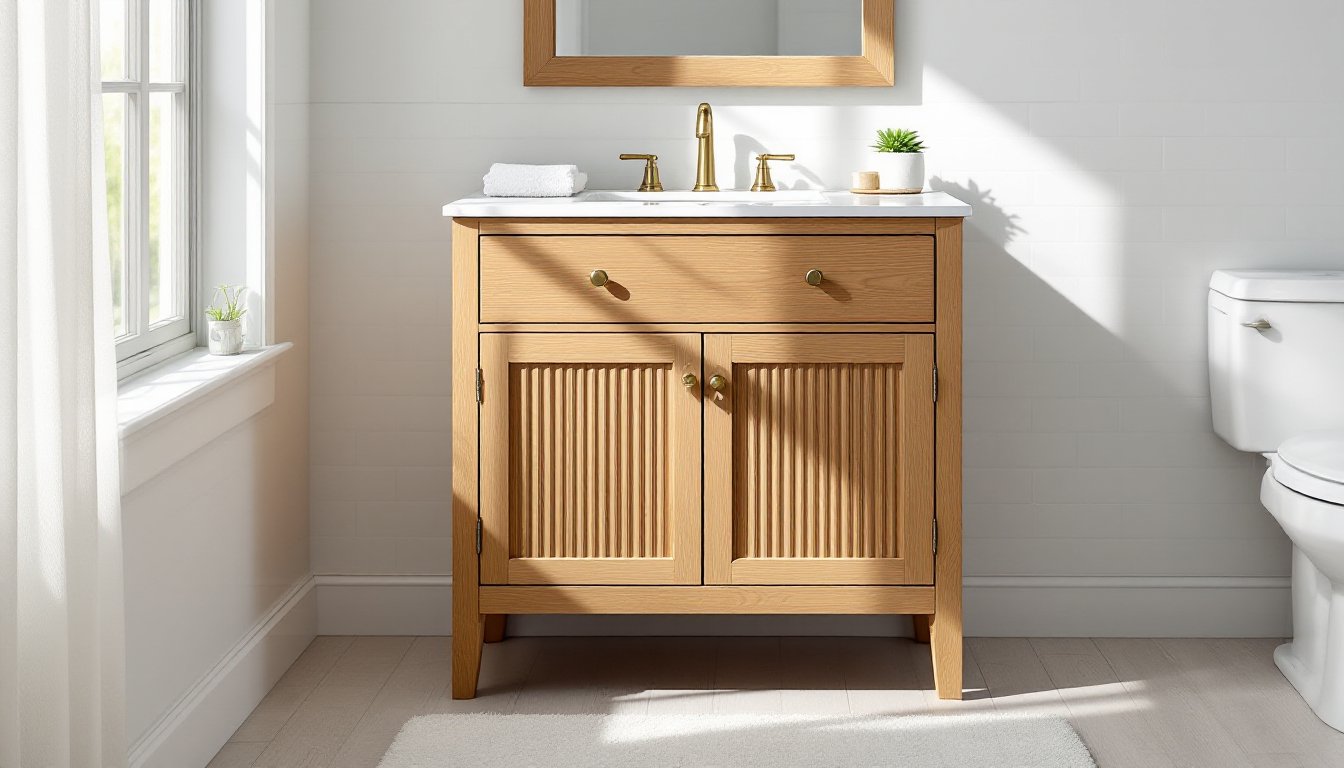
A fluted vanity features vertical grooves, called flutes, carved or milled into the cabinet doors, drawer fronts, or side panels. The term comes from classical architecture, where fluted columns added elegance to Greek and Roman structures. In modern cabinetry, those same grooves create shadow lines that catch light and break up visual monotony.
Flutes typically run the full height of a door panel and range from shallow (⅛-inch deep) to pronounced (½-inch or more). The spacing and width vary by style: wider grooves with more pronounced shadows lean traditional, while tight, shallow flutes feel contemporary. You’ll find fluting on freestanding vanities, wall-mounted units, and even open-shelf designs with fluted side panels.
Unlike beadboard or shiplap, which use horizontal or overlapping planks, fluted panels emphasize verticality. This makes ceilings feel taller and smaller bathrooms appear more spacious, a practical bonus beyond aesthetics.
Why Choose a Fluted Vanity for Your Bathroom?
Fluted vanities deliver several advantages that flat-panel or slab-door cabinets don’t:
Textural depth without pattern overload. Bathrooms with busy tile or wallpaper benefit from fluted cabinets because the grooves add dimension without competing visual noise. The vertical lines remain neutral enough to anchor bold design choices.
Hides fingerprints and water spots. The grooves diffuse light and shadow, camouflaging minor smudges better than glossy slab doors. This matters in high-traffic family baths where kids leave handprints.
Timeless appeal across design styles. Fluting works in traditional, transitional, and modern spaces. Pair natural oak flutes with brass hardware for a warm, classic look, or choose white lacquered flutes with matte black pulls for a minimalist edge. Designers curating fluted bathroom vanity designs often highlight this versatility as a selling point.
Easier DIY refresh than full replacement. If you’re handy with a router or willing to apply adhesive fluted panels, you can retrofit an existing vanity. Pre-made fluted MDF panels from home centers (typically 4×8 sheets at around $40–$60) attach with construction adhesive and finishing nails, then paint to match. This approach saves hundreds compared to buying a new cabinet.
One caution: Fluted surfaces require more cleaning effort than flat doors. Dust and grime settle in grooves, so plan for a detail brush or vacuum crevice tool during routine wipes.
Popular Fluted Vanity Styles and Materials
Wood Fluted Vanities
Solid hardwood (oak, walnut, maple) and plywood vanities with hardwood veneer dominate the mid-to-high-end market. Oak fluting shows prominent grain that emphasizes the shadow lines: walnut offers rich, dark tones that pair well with marble countertops. Expect to pay $800–$2,500 for a quality 36-inch freestanding wood vanity, depending on species and hardware.
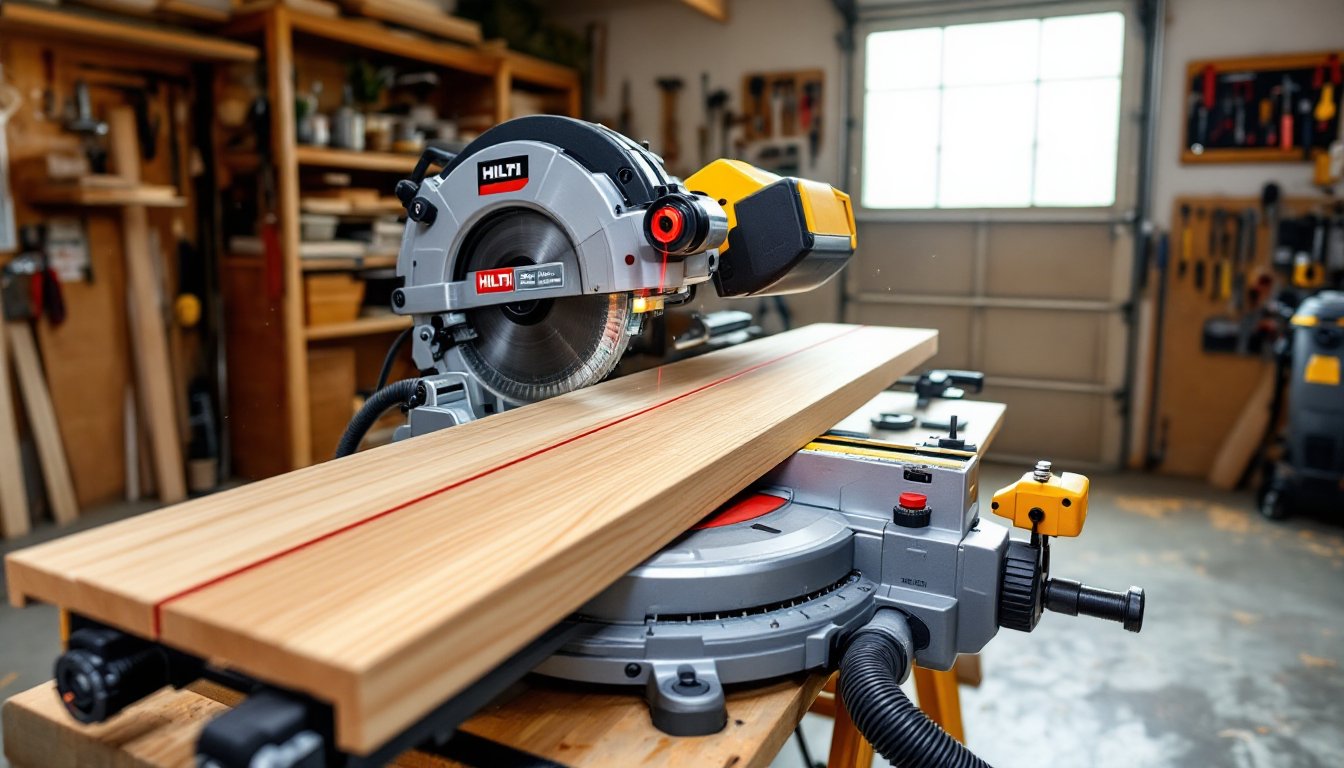
For DIYers building custom, ¾-inch plywood with a hardwood-veneer face takes router fluting well. Use a ¼-inch or ⅜-inch core-box bit in a plunge router with an edge guide to mill consistent grooves. Space flutes ¾ to 1 inch apart for a traditional look, or tighten to ½ inch for modern density. Sand with 120-grit, then 220-grit before applying pre-stain wood conditioner (especially on oak and pine) to prevent blotchy finish. Finish with water-based polyurethane for durability in humid bathrooms, three coats with light sanding between each.
Modern Painted and Lacquered Options
Painted MDF or poplar fluted vanities deliver crisp lines at lower cost. MDF mills cleanly without grain tearout, making it ideal for painted finishes. Factory-primed units accept latex paint well: use a bonding primer (e.g., Stix or INSL-X) if painting a previously finished surface. Roll on two coats of semi-gloss or satin acrylic-latex for moisture resistance and easy cleaning. Budget $500–$1,200 for a painted 36-inch vanity from mid-tier retailers.
High-gloss lacquered flutes suit ultra-modern or art-deco-inspired baths. Lacquer creates a glass-like finish that amplifies light but shows every fingerprint. These typically come pre-finished from specialty manufacturers and cost $1,500–$4,000 for a 48-inch double vanity. Several makers featured in fluted vanity roundups offer lacquered options in navy, forest green, and blush tones that break from standard white or gray.
Thermofoil or laminate flutes appear in budget vanities under $500. The fluted texture is pressed into MDF core and wrapped in vinyl film. Durability is lower, edges can peel if water infiltrates, but they work for rental upgrades or temporary solutions.
How to Choose the Right Fluted Vanity for Your Space
Start with dimensions and plumbing layout. Measure wall width, accounting for door swing clearance and towel bars. Standard vanity depths run 21 inches (shallow for tight spaces) or 24 inches (accommodates most undermount sinks). If replacing an existing vanity, note the drain and supply-line positions, centerline drains suit most designs, but offset drains limit cabinet choices.
Match the flute style to your architecture. In a 1920s Craftsman with wainscoting and crown molding, deep oak flutes with visible grain honor the period. In a 1960s ranch with clean lines, shallow flutes in matte white or walnut veneer stay true to mid-century restraint. For new-construction modern farmhouse, painted poplar flutes with shaker-style stiles bridge rustic and contemporary.
Consider sink and countertop integration. Fluted vanities pair well with undermount sinks in porcelain or composite: the clean counter edge keeps focus on the cabinet texture. Vessel sinks can compete visually, if choosing one, keep flutes subtle (tight spacing, shallow depth). Countertop material matters: polished quartz or marble contrasts beautifully with matte-painted flutes, while butcher-block wood counters complement natural-wood fluting.
Hardware and feet. Fluted designs often skip upper hardware (doors open via push-latch) or use minimal pulls to preserve the vertical lines. If adding knobs, choose simple round or cylindrical shapes in brass, matte black, or brushed nickel, ornate pulls clash with fluting. Freestanding vanities look best on tapered legs or a plinth base: wall-mounted units emphasize the flutes by eliminating base bulk.
Budget realistically. Quality fluted vanities cost 20–40% more than comparable flat-panel units due to machining complexity. If funds are tight, consider a smaller vanity (30-inch vs. 36-inch) to afford better material, or retrofit an existing cabinet with adhesive fluted panels and new hardware.
Installation and Maintenance Tips
Installation follows standard vanity procedures, with a few flute-specific notes:
-
Check level and shim carefully. Flutes amplify visual perception, if the cabinet isn’t level, the vertical lines will look skewed. Use a 4-foot level across the top and adjust shims at each leg or mounting point. For wall-mounted vanities, locate studs with a stud finder and fasten a ledger board (1×3 or 1×4) to support weight during install. Secure the cabinet to studs with 3-inch cabinet screws through the back rail.
-
Protect flutes during countertop install. Mask grooves with painter’s tape before setting stone or quartz. Installers often lean slabs against cabinets, and a slip can gouge fluted surfaces. If hiring pros, mention the flutes upfront.
-
Seal wood vanities thoroughly. Apply polyurethane or hard-wax oil to all surfaces, including the backs of doors and interior shelves, to prevent moisture warping. In bathrooms with poor ventilation, run an exhaust fan (minimum 50 CFM for standard baths, per HUD guidelines) during and after showers to reduce humidity.
-
Routine cleaning: Wipe flutes with a damp microfiber cloth weekly. For deeper cleaning, use a soft-bristle toothbrush or detailing brush dipped in mild dish soap and water, working along the grooves. Avoid abrasive scrubbers that scratch painted or lacquered finishes. Dry immediately to prevent water spots.
-
Touch-ups: Keep leftover paint or stain for repairs. Nicks in painted flutes sand lightly with 320-grit paper, then spot-prime and repaint. For stained wood, use a stain marker in matching color to blend scratches.
Permitting: Vanity replacement rarely requires permits unless you’re moving plumbing lines or walls. If rerouting drains or adding new electrical (e.g., outlet inside a drawer), check local codes, most jurisdictions require licensed plumbers and electricians for in-wall work. Cosmetic swaps, same footprint, same hookups, are typically DIY-friendly.
Buyers researching top-rated fluted options often note that properly sealed and maintained vanities hold up for 15+ years, making the upfront investment worthwhile.