Table of Contents
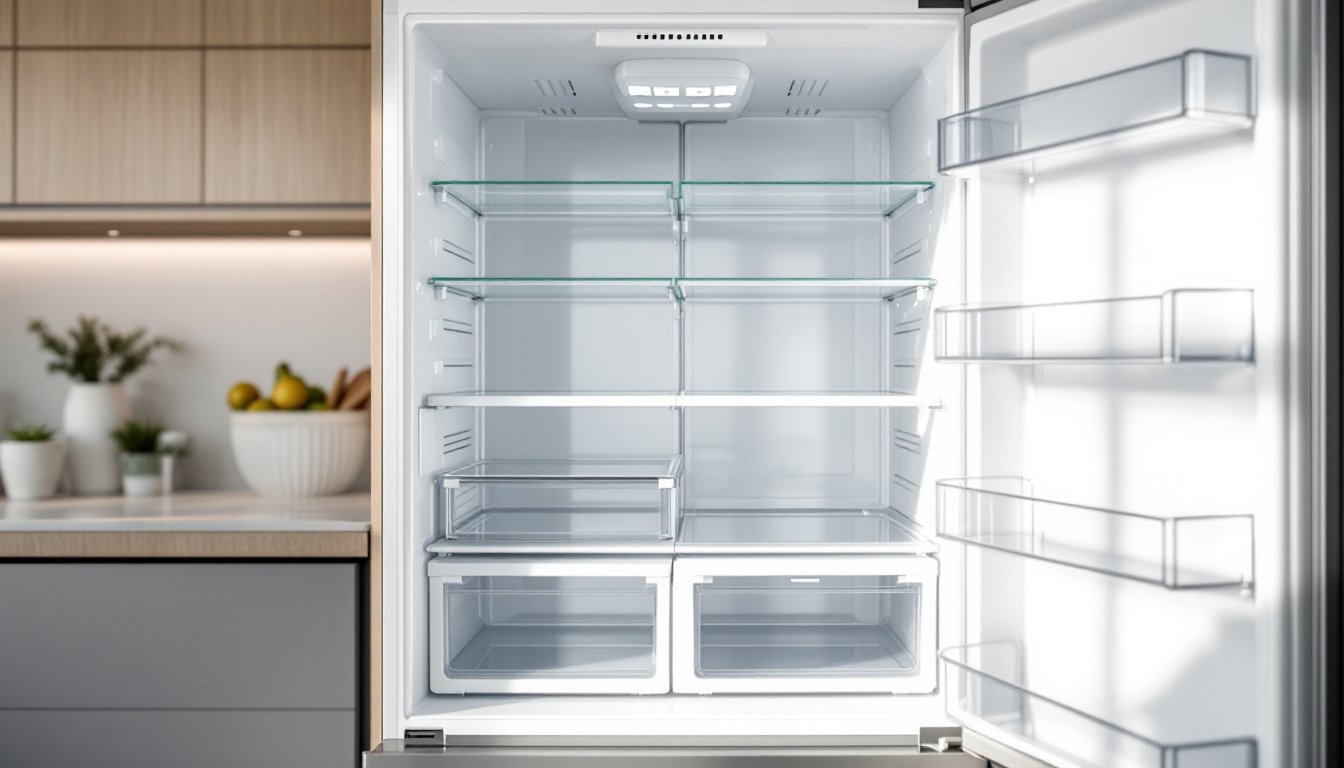
ToggleAn empty refrigerator might seem like a problem, but it’s actually the perfect opportunity to tackle maintenance, organization, and efficiency upgrades that most homeowners put off indefinitely. Whether it’s the result of a move, a defrost cycle, or simply running low on groceries, an empty fridge gives direct access to every shelf, drawer, and gasket, no juggling condiment bottles or wrestling with leftover containers. This is the moment to deep clean properly, assess the layout, and carry out systems that’ll keep food fresher and reduce waste for years to come.
Key Takeaways
- An empty refrigerator provides the perfect opportunity to deep clean, inspect gaskets and seals, and identify efficiency problems like poor door seals or dusty condenser coils that waste energy.
- Proper organization by temperature zone—storing raw proteins on lower shelves, produce in crisper drawers, and condiments on door bins—extends food freshness and prevents cross-contamination.
- Deep cleaning your empty fridge with a baking soda solution and checking the drain tube can eliminate odors and prevent water pooling, while vacuuming condenser coils twice yearly improves efficiency by up to 25%.
- Clear storage bins, lazy Susans, and labeled zones reduce food waste by improving visibility and enabling FIFO (First In, First Out) restocking practices in your empty fridge before groceries return.
- An empty refrigerator can be repurposed for workshop storage, outdoor beverage cooling, fermentation chambers, or curing spaces, offering a second life for old units with proper safety modifications.
- Restocking strategically by placing items directly in designated zones, keeping a running inventory, and prepping produce immediately helps household waste reduction and prevents the average 30-40% food waste.
Why an Empty Fridge Is the Perfect Starting Point
Most refrigerator maintenance happens around food, which means compromised cleaning, rushed organization, and half-finished projects. An empty interior eliminates those obstacles entirely.
Full access allows for proper disassembly of shelves, bins, and door compartments, components that rarely get cleaned thoroughly when they’re loaded. Gaskets and seals become visible for inspection, and spills that have been hidden under crisper drawers for months can finally be addressed. Temperature zones can be tested accurately without the thermal mass of food affecting readings.
This is also the best time to identify efficiency problems. Check door seals by closing the door on a dollar bill, if it pulls out easily, the gasket isn’t sealing properly and costs money every month in wasted energy. Listen for unusual compressor noise without the muffling effect of food. Inspect the condenser coils (usually behind a kickplate or on the back) for dust buildup, which forces the compressor to work harder and shortens the appliance’s lifespan.
An empty fridge also lets homeowners make structural changes to shelving or add aftermarket organizers without the logistical nightmare of temporary food storage. It’s a clean slate for implementing better systems before restocking.
Deep Clean Your Refrigerator the Right Way
Start by unplugging the unit or switching off the dedicated circuit breaker if it’s hardwired. This prevents the compressor from cycling on during cleaning and saves energy.
Remove all removable components, shelves, drawers, door bins, and any adjustable dividers. Glass shelves are heavy and slippery when wet, so handle them over a towel on the counter. Wash components in a sink or bathtub using warm water and a few drops of dish soap. Avoid abrasive scrubbers on plastic parts: a nylon brush works for stubborn residue without scratching.
For the interior surfaces, mix a solution of two tablespoons baking soda per quart of warm water. This ratio neutralizes odors without leaving chemical residue that can transfer to food. Wipe down all interior walls, ceiling, and floor of the fridge compartment. Pay special attention to the channels where shelves sit, these collect sticky drips and crumbs.
Safety note: Wear rubber gloves if using any commercial cleaners, and ensure the area is ventilated.
Clean the door gasket with the same baking soda solution using a toothbrush to get into the folds. Dry thoroughly, moisture in the gasket promotes mold. If the gasket is cracked or torn, replacement gaskets are available for most models and typically cost $50-$100, depending on the brand and size. They’re held in place by a retaining strip or screws behind the liner and can be replaced without removing the door.
Address the drain pan and drip tube if accessible. The drain tube runs from the freezer to a pan underneath the fridge, and it can clog with debris, causing water to pool inside. A turkey baster filled with a baking soda solution can flush the tube from the interior drain hole (usually at the back of the fridge floor or freezer).
Vacuum the condenser coils with a brush attachment or use a coil brush (available at hardware stores for about $10). Dusty coils can reduce efficiency by up to 25%, per the Department of Energy. Coils should be cleaned twice a year in typical households, more often if there are shedding pets.
Organize Your Empty Fridge for Maximum Efficiency
Temperature zones inside a refrigerator are not uniform. The back wall is coldest (around 32-34°F), the door is warmest (40-45°F), and middle shelves average 37-38°F. Organizing with these zones in mind extends food life and prevents spoilage.
Upper shelves: Best for ready-to-eat foods, leftovers, and drinks. These areas maintain a consistent temp and are less likely to freeze items.
Lower shelves: Coldest zone. Store raw meat, poultry, and fish here in covered containers or on trays to catch drips. Keeping raw proteins low prevents cross-contamination if leaks occur.
Crisper drawers: Designed for produce, with humidity controls. Most fridges have two drawers, set one to high humidity (for leafy greens, broccoli, carrots) and one to low humidity (for fruits, peppers, and items that emit ethylene gas).
Door bins: Warmest area. Reserve for condiments, pickles, nut butters, and other items with high acidity or preservatives. Don’t store milk or eggs here even though the molded egg tray, they need colder, more stable temps on interior shelves.
Adjust shelf height before restocking. Most modern fridges have adjustable glass shelves on tracks. Customizing the layout for tall pitchers, stacked containers, or specific appliances (like a beverage dispenser) eliminates wasted vertical space.
Storage Solutions and Container Systems
Clear, stackable storage bins let users see inventory at a glance, which reduces forgotten food and waste. Bins also create “zones” for categories: breakfast items, snack prep, meal kits.
Lazy Susans work well on deep shelves for jars and bottles, no more digging behind rows of condiments. Use a 9-12 inch diameter turntable on upper shelves or in corner areas.
Drawer dividers or small bins inside crispers keep produce separated and prevent smaller items (like limes, garlic, ginger) from getting buried and forgotten.
Stackable egg holders and can dispensers maximize vertical space and keep items organized. Many aftermarket organizers are designed to fit standard fridge widths (30-36 inches) and shelf depths (around 14 inches).
Label shelves or bins with painter’s tape and a marker if sharing the fridge with family members. Assigned zones reduce clutter and make restocking faster after grocery trips. When establishing a routine for keeping essentials stocked, having clearly marked zones for pantry essentials and frequently used ingredients helps maintain an organized kitchen overall.
Creative Ways to Repurpose an Empty Refrigerator
If the fridge isn’t going back into service for food, it has surprising second-life potential, especially for DIYers with shop space or outdoor projects.
Workshop storage: An old fridge makes excellent climate-controlled storage for finish products, adhesives, stains, and paints that are temperature-sensitive. The seals keep out dust, and the shelves are adjustable. Remove the compressor and condenser to free up space and eliminate the energy draw. This also reduces weight if moving the unit. Important: If discarding the compressor, note that refrigerants must be recovered by an EPA-certified technician under Section 608 of the Clean Air Act, don’t vent refrigerants or toss the unit curbside without proper disposal.
Outdoor beverage cooler: A working fridge can be converted into a dedicated beverage station for a patio, garage gym, or workshop. Install it on a covered, level surface with access to a GFCI-protected outlet. Outdoor installations should be sheltered from direct rain and should not operate in freezing temps (most compressors aren’t rated below 50°F ambient).
Root cellar or curing chamber: With modification, a non-working fridge can become a humidity- and temperature-controlled space for charcuterie curing or root vegetable storage. This requires adding a separate temperature controller (around $30-$60), a humidifier or humidity tray, and often a small computer fan for air circulation. This project is popular in homesteading and fermentation communities but requires research into safe curing practices to avoid foodborne illness.
Fermentation chamber for homebrewing: Homebrewers often convert fridges into fermentation chambers using aftermarket temperature controllers to maintain precise temps for ales, lagers, and wild fermentations. The insulated cabinet holds temperature steadier than ambient room conditions. For those managing other home systems, integrating monitoring tools similar to those found in home maintenance routines can help track conditions over time.
Safety note: Any repurposed fridge that will be used around children should have the door removed or the latch disabled to prevent entrapment hazards, per CPSC guidelines.
Smart Restocking Strategies to Reduce Waste
An empty fridge is a chance to reset shopping and storage habits that lead to waste. The average American household throws away about 30-40% of food purchased, often because of poor visibility, over-purchasing, or improper storage.
Stock by zone, not by bag. When unloading groceries, place items directly into their designated zones rather than stacking bags on the counter and transferring haphazardly. This takes an extra two minutes but drastically improves organization.
Practice FIFO, First In, First Out. Move older items to the front when adding new stock. This is standard practice in restaurant kitchens and eliminates “back of the fridge” science experiments.
Keep a running inventory. A small whiteboard or magnetic notepad on the fridge door lets household members note when staples are running low. This reduces impulse buying and duplicate purchases.
Prep produce immediately. Wash, dry, and store greens in breathable produce bags or containers lined with paper towels. Chop veggies for snacking or meals and keep them visible in clear containers. Prepped food gets eaten: produce left in grocery bags gets composted.
Consider building a rotation around pantry staples that complement fresh ingredients. A well-stocked pantry reduces the pressure on fridge space and provides backup options when fresh items run out.
Avoid overstocking. A fridge works more efficiently when air can circulate, about 70-75% full is ideal. Overpacking blocks vents and creates cold spots or warm zones, leading to uneven cooling and spoilage.
Label and date leftovers. Use a roll of masking tape and a permanent marker to note contents and date. Most leftovers are safe for 3-4 days: anything beyond that should be frozen or discarded.
Designate an “eat first” bin. Place items nearing expiration in a specific bin or on a dedicated shelf. Make it a habit to check this zone before cooking or ordering takeout.
Conclusion
An empty refrigerator isn’t downtime, it’s a legitimate home improvement project with measurable returns in efficiency, organization, and reduced waste. Whether deep cleaning, reorganizing for better airflow, or repurposing an old unit for secondary use, the work done now saves time and frustration down the line. Treat it like any other upgrade: measure, plan, execute, and maintain. The fridge is one of the hardest-working appliances in the house. Give it the attention it’s earned.