Table of Contents
ToggleDrawer dishwashers have transformed kitchen layouts that once seemed too cramped for full-size appliances. KitchenAid’s drawer dishwasher lineup targets homeowners who need flexible installation options without sacrificing cleaning power. Unlike traditional front-loading models that demand a fixed 24-inch cabinet opening and floor-to-counter clearance, drawer units slide into tighter spaces, install at custom heights, and operate independently. Whether renovating a galley kitchen, adding a second washing zone to a large prep area, or accommodating accessibility needs, these appliances solve real layout challenges that standard dishwashers can’t address.
Key Takeaways
- KitchenAid drawer dishwashers fit into tight spaces and custom heights, making them ideal for galley kitchens, islands, and accessibility-focused renovations where traditional full-size models won’t work.
- Single-drawer models hold 6–8 place settings and require just 17–18 inches of vertical space, while double-drawer units offer 12–16 place settings with independent cycle operation for flexible household needs.
- Drawer dishwashers use the same ProWash technology and filtration systems as KitchenAid’s full-size machines, delivering comparable cleaning performance with the added benefit of 44–47 dBA noise ratings—quieter than standard models.
- Installation requires a 120V dedicated circuit, standard water and drain connections, and cabinet modifications; most replacements don’t need permits, but adding a second unit elsewhere typically triggers new electrical and plumbing permits.
- These units consume just 3–4 gallons per cycle and 200–310 kWh annually, with Energy Star-certified models meeting EPA standards and costing approximately $25–$35 per year to operate.
- Regular maintenance—filter cleaning every 1–2 weeks, spray arm inspection monthly, and rinse aid refills every 30–40 cycles—ensures long-term performance and prevents mineral deposits on glassware.
What Is a KitchenAid Drawer Dishwasher?
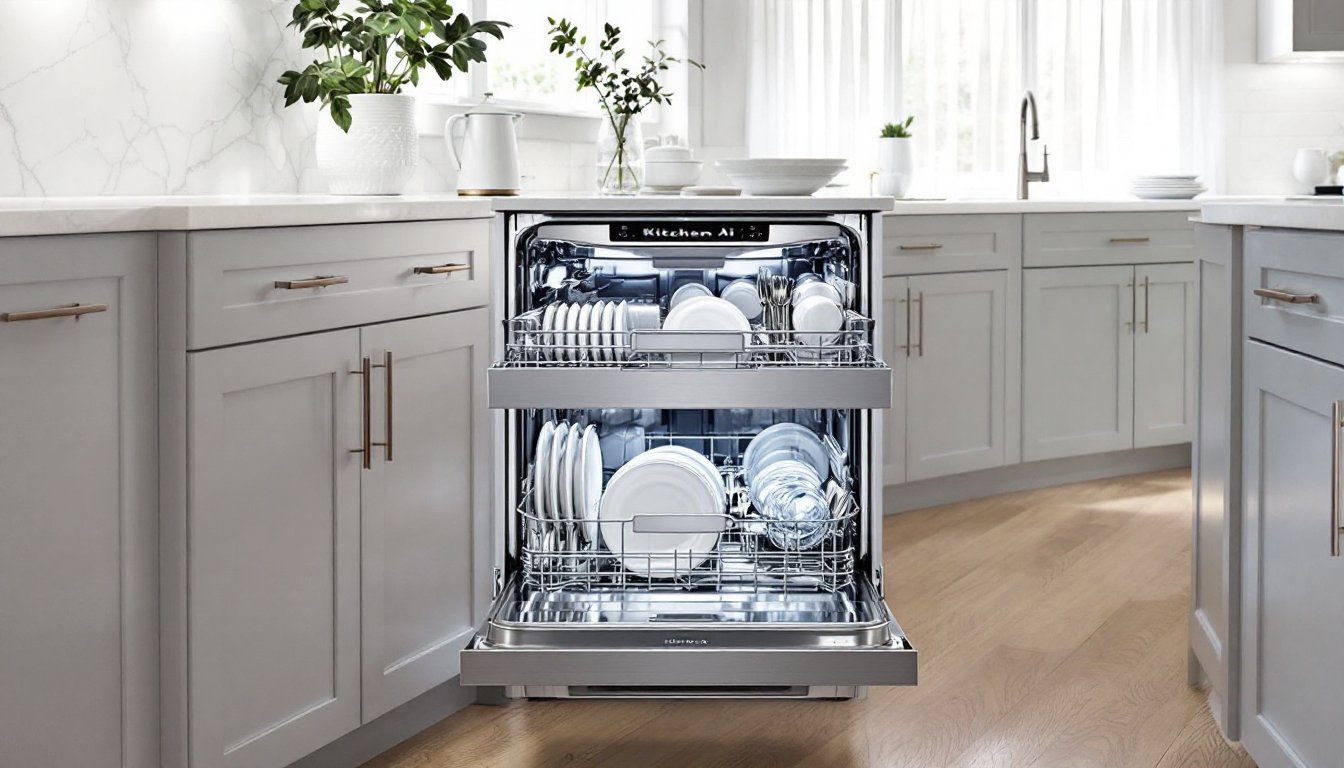
A drawer dishwasher is a compact, pull-out appliance that loads from the top rather than a front door. KitchenAid offers single-drawer and double-drawer models, each functioning as an independent washing unit.
Single-drawer models occupy roughly half the vertical space of a conventional dishwasher, typically 17–18 inches tall. They fit under counters, in islands, or below cooktops where a full-height appliance won’t work. Capacity ranges from 6 to 8 place settings, enough for daily meals in a smaller household or as a secondary unit for glassware and delicate items.
Double-drawer configurations stack two independent drawers in a standard 24-inch cabinet opening. Each drawer operates separately, so users can run a small load in one drawer while the other remains idle or run both simultaneously on different cycles. Total capacity matches a traditional dishwasher (12–16 place settings), but the split design offers cycle flexibility.
KitchenAid’s drawer models use the same ProWash cycle technology, stainless steel tubs, and filtration systems found in their full-size machines. The difference is form factor, not cleaning architecture.
Key Features and Benefits of KitchenAid Drawer Dishwashers
Space Efficiency
Drawer dishwashers eliminate the swing radius required by front-loading doors. In a narrow galley kitchen or tight island walkway, that 24-inch door swing can block traffic or hit opposing cabinets. A drawer pulls straight out, requiring only the depth of the rack, usually 22 inches.
Installation height is adjustable. Mount a single drawer at 36 inches for standard counter height, or raise it to 42 inches for users who can’t bend comfortably. This flexibility is critical for accessible design and aging-in-place remodels.
Independent Operation
Double-drawer models let occupants run a quick rinse cycle on breakfast dishes in the top drawer while the bottom drawer handles pots from last night’s dinner on a heavy-duty cycle. This reduces water and energy use compared to running a half-empty full-size machine.
Single-drawer units shine as secondary appliances. Install one in a home bar for glassware, in a basement kitchenette, or near a prep sink in a large kitchen. Many kitchen organization strategies incorporate zoned workstations where a dedicated drawer dishwasher supports a specific task area.
Noise Reduction
KitchenAid rates most drawer models at 44–47 dBA. The top-loading design and smaller wash chamber naturally dampen sound. In open-concept layouts where the kitchen flows into living spaces, a quieter appliance matters.
Cycle Options
Expect the same wash programs found on standard KitchenAid dishwashers: ProWash (sensor-driven auto cycle), Heavy, Normal, Light, and Rinse Only. Higher-end drawer models add a Soak & Clean cycle for dried-on food and a High-Temp Wash option that boosts water temperature to 154°F for sanitization.
Most units include a delay start (2–24 hours) and a control lock to prevent accidental changes mid-cycle.
Who Should Consider a Drawer Dishwasher?
Drawer dishwashers aren’t a universal replacement for conventional models. They excel in specific scenarios where layout or usage patterns favor their design.
Small households that generate fewer dirty dishes benefit from single-drawer capacity. Running a full-size dishwasher half-empty wastes water and energy. A single drawer holds a day’s worth of dishes for one or two people and completes a cycle in 90–120 minutes.
Multi-cook kitchens with frequent entertaining or multiple meal prep zones gain efficiency from double-drawer setups. One drawer handles everyday plates: the other tackles serving platters and bakeware. This separation reduces cycle bottlenecks when hosting.
Accessibility needs drive many drawer dishwasher installations. Raising the appliance to 42 inches eliminates bending and kneeling. Physical therapists and universal design consultants often recommend drawer models for clients with mobility limitations or chronic pain.
Secondary installations fill gaps in large kitchens, butler’s pantries, or outdoor kitchen spaces. Pairing a drawer dishwasher near a wet bar or secondary prep sink creates a self-contained cleanup station. Product reviews for home appliances frequently highlight this use case in luxury renovations.
Avoid drawer dishwashers if daily dish volume exceeds 10–12 place settings and running multiple loads isn’t practical. Families with four or more members generating heavy dinner loads may find even a double-drawer setup too small. Also consider noise sensitivity, while quieter than older dishwashers, drawer models still produce 44+ dBA, which may disturb light sleepers in studio or open loft layouts.
Installation Considerations and Requirements
Electrical and Plumbing Connections
Drawer dishwashers require a 120V, 15-amp dedicated circuit. Most kitchens already have this for a standard dishwasher, but verify amperage if adding a second unit elsewhere. The National Electrical Code (NEC) mandates GFCI protection for appliances near water sources, though some jurisdictions permit a standard outlet if the dishwasher is hardwired.
Water supply connects via a 3/8-inch compression fitting on the hot water line, same as conventional dishwashers. Drain line uses a 5/8-inch or 7/8-inch hose that ties into the sink tailpiece or garbage disposal. Install an air gap or high loop per local plumbing code to prevent backflow.
Cabinet Modifications
Single-drawer models need a minimum 17.5-inch tall opening: double-drawer units require 34–35 inches. Width is typically 23.5–24 inches, matching standard dishwasher cutouts.
If installing under a countertop, ensure the countertop thickness allows clearance. Most granite and quartz slabs run 1.25–1.5 inches thick with plywood substrate: verify the drawer doesn’t bind when opening. Some installations require shimming or trimming cabinet base supports.
Drawer dishwashers weigh 80–120 pounds when empty. Secure them to adjacent cabinets using the mounting brackets included with the unit. Don’t rely on countertop weight alone to stabilize the appliance, drawer mechanisms create forward leverage during operation.
Permit and Code Compliance
Most jurisdictions treat drawer dishwasher installation as a like-for-like appliance replacement that doesn’t require a permit if you’re swapping an existing dishwasher. Adding a second dishwasher in a new location often triggers permit requirements because it involves new electrical and plumbing runs.
Check local code for drain hose height (usually 20–36 inches above the floor) and air gap requirements. Some areas mandate a visible air gap above the sink: others allow a high loop secured under the counter.
DIY vs. Professional Installation
Homeowners comfortable with basic plumbing and electrical work can handle a straightforward replacement. The job requires:
- Adjustable wrench and slip-joint pliers for water connections
- Screwdriver (Phillips and flat-head) for mounting brackets and wire connections
- Level to ensure the drawer operates smoothly
- Teflon tape for threaded fittings
Hire a licensed plumber or electrician if running new water lines, installing a dedicated circuit, or working in a kitchen without existing dishwasher hookups. Many home renovation tutorials recommend professional installation to preserve manufacturer warranties, which often exclude damage from improper installation.
Performance and Cleaning Capabilities
Wash Quality
KitchenAid drawer dishwashers use a rotating spray arm at the bottom of each drawer and a spray jet manifold along the back wall. Water pressure ranges from 15–120 psi depending on the cycle. The ProWash sensor measures soil level and adjusts temperature, water volume, and cycle time accordingly.
In independent testing, drawer models cleaned everyday dishes, glassware, and flatware as effectively as full-size units. Heavily soiled pots and baking sheets performed slightly worse because the compact chamber limits water circulation around oversized items. Avoid cramming large items, drawer dishwashers need proper spacing between dishes for coverage.
Energy and Water Consumption
A typical KitchenAid single drawer uses 3–4 gallons per cycle on Normal wash, compared to 4–6 gallons for a full-size dishwasher. Annual energy consumption averages 200–240 kWh for single-drawer models and 270–310 kWh for double-drawer units running both drawers regularly.
Models carrying the Energy Star certification meet EPA efficiency standards, annual energy use below 270 kWh and water consumption under 3.5 gallons per cycle. Check the yellow EnergyGuide label for estimated annual operating costs, typically $25–$35 per year based on national averages.
Drying Performance
Drawer dishwashers rely on condensation drying rather than a heated drying element. The final rinse uses 154°F water, which heats the stainless steel tub. As the tub cools, moisture condenses on the walls and drains away. Plastic items may retain water droplets because they don’t hold heat as long as glass or ceramic.
To improve drying, crack the drawer open 2–3 inches at the end of the cycle. This venting method releases steam and speeds evaporation without adding energy cost.
Maintenance Tips for Long-Term Performance
Filter Cleaning
KitchenAid drawer models use a self-cleaning filtration system with a removable filter screen at the bottom of each drawer. Remove and rinse the filter under hot water every 1–2 weeks to prevent food buildup. Twist the filter counterclockwise to unlock: it lifts straight out.
If the filter clogs, wash performance drops and cycle times extend. Check for torn or damaged screen mesh during cleaning, replace the filter if openings are enlarged.
Spray Arm Inspection
Remove the lower spray arm monthly and clear the spray holes with a toothpick or small wire. Hard water deposits and food particles block jets, reducing coverage. The spray arm snaps off with a quarter turn: no tools required.
Hard Water Management
If water hardness exceeds 7 grains per gallon, use a rinse aid to prevent spotting and film on glassware. KitchenAid drawer dishwashers have a rinse aid dispenser built into the door. Refill when the indicator light illuminates, typically every 30–40 cycles.
For severe hard water, run a dishwasher cleaner (citric acid or specialized descaler) through an empty cycle every 3 months. This dissolves mineral deposits in the spray system and drain pump.
Door Seal and Gasket
Wipe the rubber gasket around the drawer opening with a damp cloth every few weeks. Food residue and grease accumulate in the folds, eventually causing odors or leaks. Don’t use abrasive cleaners, mild dish soap and water preserve the gasket material.
Drain Check
If water pools at the bottom of the drawer after a cycle, the drain hose may be kinked or the air gap clogged. Pull the unit forward and inspect the drain line for sharp bends. Remove the air gap cap (above the sink) and flush with water to clear debris.
If the drain pump hums but doesn’t evacuate water, food may be lodged in the pump inlet. Access the pump by removing the filter and spray arm: clear obstructions with a long-handled brush or needle-nose pliers.
Control Lock Feature
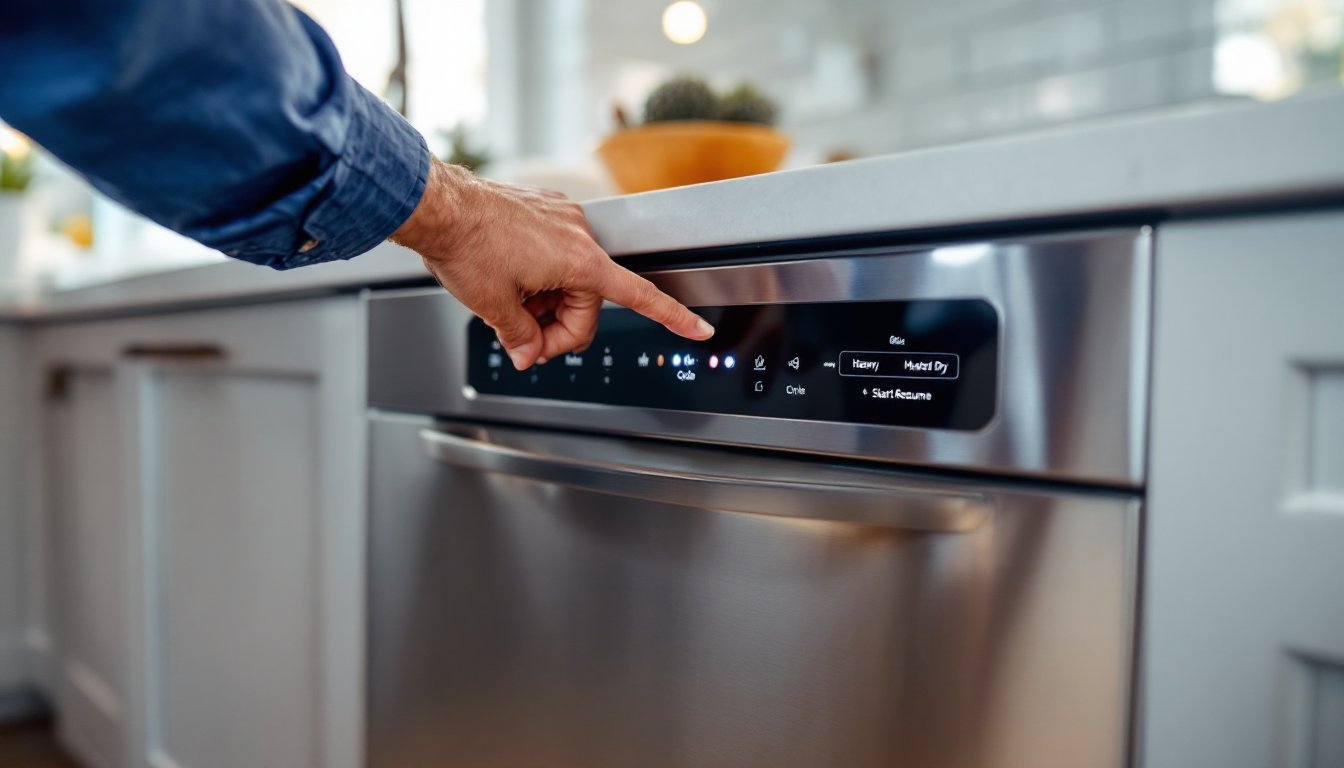
Use the control lock during cleaning or when small children are present. Press and hold the designated button (varies by model) for 3 seconds until the lock icon appears on the display. This prevents accidental cycle changes or interruptions.
Conclusion
KitchenAid drawer dishwashers solve real layout constraints, tight clearances, accessibility needs, and secondary washing zones, that conventional models can’t address. They aren’t a universal fit, but when space, usage patterns, or physical limitations favor a drawer configuration, they deliver the same cleaning performance KitchenAid builds into full-size units. Evaluate installation requirements, household dish volume, and long-term maintenance before committing. For the right kitchen, a drawer dishwasher transforms a problem corner into functional, accessible workspace.