Table of Contents
ToggleIndoor air quality isn’t something most homeowners think about until there’s a problem, dust piling up faster than usual, lingering cooking smells, or someone in the household sneezing through allergy season. Air purifiers have become a common fixture in hardware stores and home improvement aisles, but they’re not a one-size-fits-all solution. Before dropping a couple hundred dollars on a unit, it’s worth asking whether the investment makes sense for your specific situation. Some homes genuinely benefit from filtration assistance, while others can get by with simpler ventilation fixes and routine maintenance.
Key Takeaways
- An air purifier with a HEPA filter effectively captures 99.97% of airborne particles like dust mites, pollen, and pet dander, making it valuable for households with allergies or asthma.
- You need an air purifier if you have respiratory sensitivities, persistent odors, poor ventilation, or live in an area with poor outdoor air quality, but skip it if your home has modern HVAC filtration and no significant air quality issues.
- Proper sizing is critical—match the purifier’s Clean Air Delivery Rate (CADR) and coverage area to your room size, as an undersized unit won’t deliver meaningful benefits.
- Air purifiers are a supplemental tool, not a complete solution; they work best alongside HVAC maintenance, source elimination, humidity control, and regular cleaning rather than replacing these essentials.
- Account for ongoing maintenance costs, as HEPA filters typically cost $30–$80 and require replacement every 6–12 months, which should factor into your purchasing decision.
What Does an Air Purifier Actually Do?
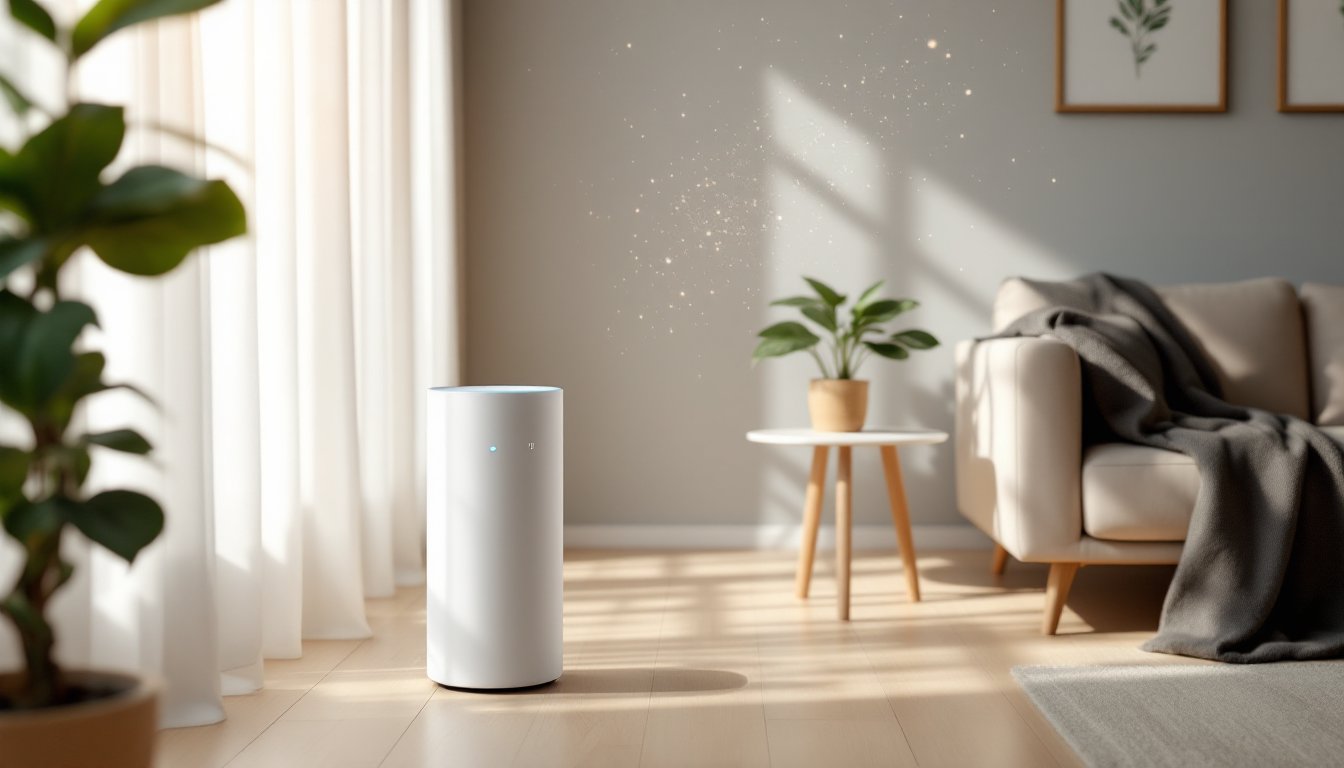
An air purifier pulls air through a series of filters designed to trap particles, allergens, and sometimes gases. Most residential units use HEPA (High-Efficiency Particulate Air) filters, which capture 99.97% of particles as small as 0.3 microns, think dust mites, pollen, pet dander, and mold spores. Some models add activated carbon filters to tackle odors and volatile organic compounds (VOCs) from paint, cleaning products, or off-gassing furniture.
The unit circulates room air multiple times per hour, gradually reducing airborne contaminants. It’s not a fix for poor ventilation or high humidity, those require different approaches, but it does help when outdoor air quality is poor or indoor pollutants are persistent. The effectiveness depends on the purifier’s Clean Air Delivery Rate (CADR), which measures how quickly it filters air in a given room size. A unit rated for 300 square feet won’t do much in a 500-square-foot open-plan living area.
Air purifiers don’t eliminate surface dust, sanitize surfaces, or replace regular cleaning. They’re one tool in a larger indoor air quality strategy that includes proper HVAC maintenance, humidity control, and source elimination, like fixing water leaks that cause mold or switching to low-VOC paints during renovations.
Signs You Should Consider Getting an Air Purifier
Not every home needs mechanical filtration, but certain situations make a strong case for it. If any of the following apply, an air purifier might deliver real benefits rather than just peace of mind.
You or Your Family Members Have Allergies or Asthma
Respiratory sensitivities are the most common reason homeowners invest in air purifiers. Pollen, pet dander, and dust mite waste are lightweight particles that stay airborne for hours, triggering symptoms even when windows are closed. A properly sized HEPA filter can reduce these irritants significantly, especially in bedrooms where people spend seven to nine hours breathing the same air.
If someone in the household has asthma, removing airborne triggers can reduce the frequency and severity of attacks. Studies on indoor air quality show measurable improvements in respiratory health when particulate levels drop. That said, an air purifier isn’t a substitute for medication or medical advice, it’s a supplemental measure that works best alongside other interventions like allergen-proof mattress covers and regular vacuuming with a HEPA-equipped vacuum.
Pet owners often see the biggest difference. Dog and cat dander is microscopic and sticky, clinging to fabrics and becoming airborne with any disturbance. A purifier in the main living area or bedroom can cut down on the floating dander load, though it won’t eliminate the need for frequent grooming and washing of pet bedding.
Your Home Has Poor Ventilation or Persistent Odors
Older homes with few windows, basement rooms, or spaces without operable ventilation can trap stale air and odors. Cooking smells, pet odors, and off-gassing from new furniture or renovations linger when air exchange rates are low. An air purifier with an activated carbon filter can absorb many of these gases and volatile compounds, though it’s not a miracle worker, strong odors from cigarette smoke or heavy frying will overwhelm most residential units quickly.
If the home is located near a highway, industrial area, or wildfire-prone region, outdoor air quality often dips into unhealthy ranges. Opening windows for ventilation can actually introduce more pollutants than it removes. In these cases, experts recommend using an air purifier to maintain cleaner indoor air without relying on outdoor ventilation. Check local AQI (Air Quality Index) readings during fire season or high-traffic periods, readings above 100 mean sensitive groups should limit outdoor air intake.
Homes undergoing renovations benefit from temporary filtration, too. Drywall dust, sawdust, and paint fumes are tough to control even with plastic barriers and exhaust fans. Running a purifier in adjacent rooms can keep particulates from migrating throughout the house, though it’s not a replacement for proper dust containment and respiratory PPE like N95 masks during active work.
When You Probably Don’t Need an Air Purifier
Air purifiers are marketed aggressively, but they’re not essential for every household. If indoor air quality is already good and no one has respiratory sensitivities, the money might be better spent elsewhere.
Homes with modern HVAC systems that include high-MERV filters (MERV 11 or higher) already capture a significant percentage of airborne particles. If the HVAC filter is changed every three months and the system runs regularly, a standalone air purifier offers diminishing returns. Check the filter slot in the return duct, if it’s sized for a thicker pleated filter and you’re keeping up with replacements, you’re likely covered.
If odors are the primary concern but they’re intermittent, say, occasional cooking smells, improving ventilation is usually more effective and cheaper. Install an exhaust fan in the kitchen (aim for at least 300 CFM for gas ranges) or open windows on opposite sides of the house to create cross-ventilation. Persistent odors often signal a moisture problem, like mildew in a damp basement, which requires source control (dehumidifier, vapor barrier, or drainage fixes) rather than filtration.
Similarly, if surface dust is the issue, an air purifier won’t solve it. Dust settles quickly under gravity, so what’s piling up on shelves and baseboards needs to be wiped or vacuumed, not filtered out of the air. Regular cleaning with a HEPA-filtered vacuum and damp microfiber cloths does more for visible dust than any purifier.
Finally, if budget is tight, prioritize other air quality improvements first: sealing air leaks, upgrading to low-VOC finishes during repaints, fixing water intrusion, and maintaining the HVAC system. Signs that indicate you need an air purifier include specific respiratory symptoms or measurable air quality problems, not just a vague sense that the air could be cleaner.
Choosing the Right Air Purifier for Your Home
If the decision is yes, matching the purifier to the space and problem is crucial. Overspending on features that don’t fit the use case is common, as is buying an undersized unit that can’t keep up.
Start with room size. Measure the square footage of the room where the purifier will run most often. Check the manufacturer’s CADR rating and recommended coverage area, these should match or exceed the actual room size. For open-plan spaces, consider the combined square footage or use multiple units. A 200-square-foot bedroom needs a much smaller unit than a 400-square-foot great room with vaulted ceilings.
Filter type matters. HEPA filters are non-negotiable for allergens and particulates. Activated carbon is useful for odors and VOCs but needs more frequent replacement, typically every three to six months depending on use. Some purifiers include UV-C lights or ionizers, but these are optional and can produce trace ozone, which is itself an irritant. Stick with straightforward HEPA and carbon unless there’s a specific microbial concern.
Noise level is often underestimated. Purifiers run continuously, and many are louder on higher fan speeds. Check decibel ratings, anything above 50 dB on high speed will be noticeable in a bedroom. Some units include a sleep mode with dimmed lights and quieter operation, which is worth the extra cost if the purifier will run overnight.
Maintenance costs add up. HEPA filters typically last six to twelve months and can cost $30 to $80 each. Cheaper units with proprietary filters can end up more expensive over time than a higher upfront cost with generic filter options. Calculate the annual filter replacement cost before buying.
Placement matters, too. Set the unit at least a foot away from walls and furniture to allow proper airflow. Don’t tuck it behind a couch or under a desk. In bedrooms, position it near the bed but not directly blowing on sleepers. In living areas, central placement works best, though it’s not always practical, just avoid corners where air circulation stalls.
Skip gimmicks like “smart” features unless they genuinely add value. Auto mode that adjusts fan speed based on air quality sensors is helpful. Wi-Fi connectivity and app control are nice-to-haves but not essentials. Focus budget on the motor, filter quality, and appropriate room coverage first.
Conclusion
Whether someone needs an air purifier depends on specific household conditions, not trends or marketing. Allergies, asthma, poor outdoor air quality, and inadequate ventilation are legitimate reasons to invest. Homes with good HVAC filtration, minimal respiratory issues, and decent airflow can usually skip the expense. When in doubt, address the root causes first, seal leaks, control moisture, upgrade HVAC filters, and add a purifier only if symptoms or air quality readings prove it’s necessary.