Table of Contents
ToggleElement appliances have quietly carved out a niche in the home laundry market, offering straightforward machines at competitive price points. For homeowners tackling a laundry room remodel or replacing aging equipment, Element washers and dryers present a practical alternative to premium brands, without sacrificing core functionality. This guide walks through what Element offers, how their units stack up in real-world use, and what to consider before committing to a purchase. Whether you’re outfitting a rental property or just need reliable machines that won’t eat your budget, understanding Element’s lineup is the first step.
Key Takeaways
- Element washer and dryer units offer 30–40% lower prices than premium brands while delivering reliable core laundry functionality, making them ideal for budget-conscious homeowners and landlords.
- Front-load models spin at 1,200 RPM, extracting more moisture and reducing dryer time by 15–20 minutes compared to top-loaders, which translates to measurable energy savings over time.
- Proper installation requires measuring for clearance (27″ × 39″ × 43″ for standard units), confirming correct electrical circuits (120V/15A for washers, 240V/30A for electric dryers), and securing rigid dryer venting to prevent lint buildup and fire hazards.
- Element machines typically last 7–10 years with shorter warranties (one-year parts and labor) than premium brands, so factor in potential repair costs and consider extended warranty plans if you lack DIY repair skills.
- Monthly maintenance like cleaning the lint trap, wiping the washer gasket, and quarterly inlet screen cleaning can prevent common issues and extend appliance lifespan significantly.
- Element prioritizes straightforward operation over smart-home connectivity, offering basic wash cycles and digital controls on mid-range models ($600–$700) that provide the best value for owner-occupied homes.
What Is Element Washer and Dryer?
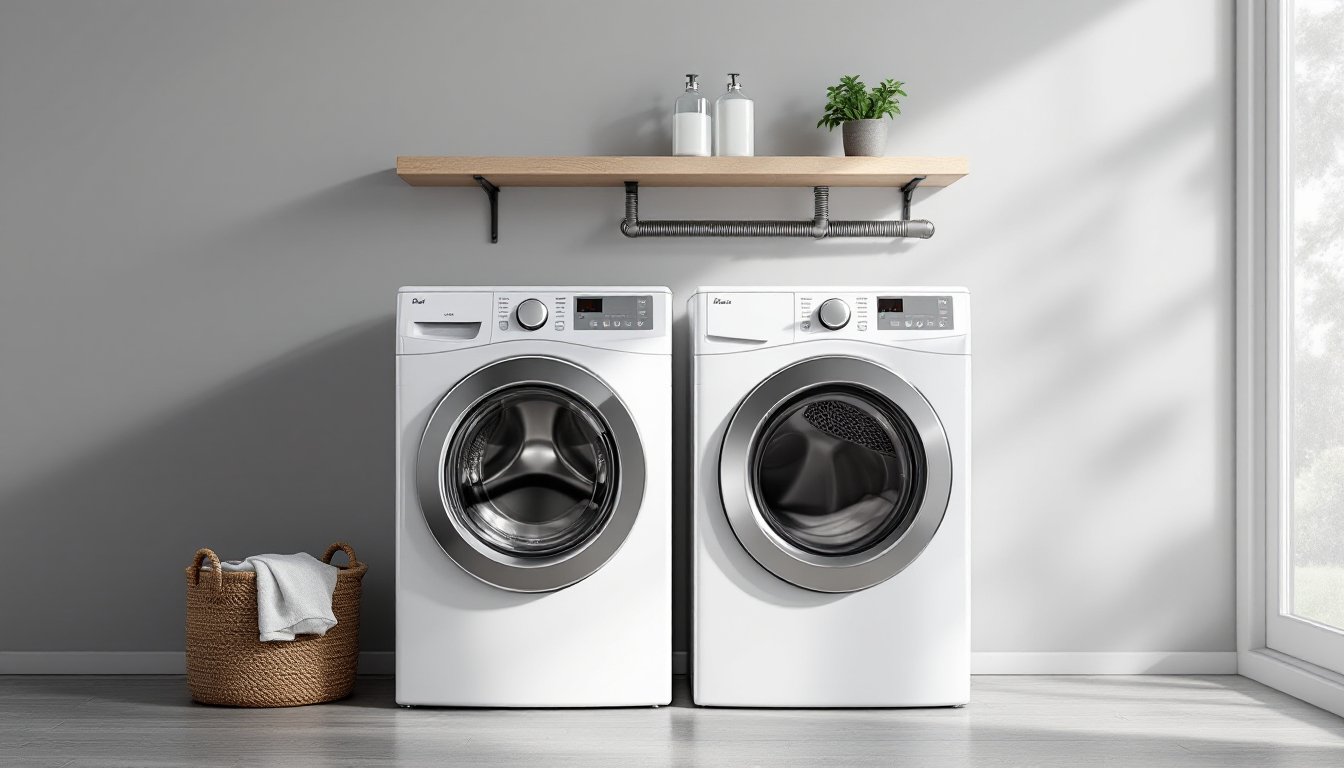
Element is a value-oriented appliance brand that focuses on delivering core laundry functionality without premium feature bloat. The brand markets both front-load and top-load washers, alongside matching electric and gas dryers. You’ll typically find Element units at big-box retailers and online appliance outlets, often bundled as stackable sets or side-by-side pairs.
Construction: Element machines use stamped steel drums and composite tubs, standard materials for budget-conscious lines. Cabinet finishes are usually powder-coated white or stainless-look fronts. Controls range from mechanical dials on base models to digital touch panels on mid-tier units.
Capacity: Most Element washers offer 3.5 to 4.5 cubic feet drum capacity, suitable for households of three to five people. Dryers match at 7.0 cubic feet, which is adequate for typical family loads but may feel tight if you’re washing king-size comforters weekly.
Target Market: Element positions itself for first-time homebuyers, landlords furnishing rental units, and DIYers who prioritize function over smart connectivity or specialty cycles. If you’re comparing Element washer and dryer reviews to premium brands, expect fewer wash programs and simpler interfaces, but also a price tag that’s 30–40% lower.
Key Features and Benefits of Element Washer and Dryer Units
Element machines strip laundry down to essentials: wash, rinse, spin, dry. Here’s what they deliver, and where they compromise.
Standard Cycles: Most models include Normal, Heavy Duty, Delicates, and Quick Wash. Base washers use a standard agitator in top-load designs or tumble action in front-loaders. There’s no steam refresh, allergen cycle, or smart-home integration on entry models. Mid-range Element units may add a Sanitize cycle that heats water to 150°F for bedding or pet items.
Energy Ratings: Element washers generally carry an Energy Star certification, using around 13 gallons per load for front-loaders and 19 gallons for top-loaders. That’s respectable for the price bracket but not class-leading. Dryers use moisture sensors on higher-end models to prevent over-drying, which saves energy and reduces fabric wear.
Noise Levels: Expect 65–70 dB during spin cycles. That’s audible but tolerable if your laundry room shares a wall with living spaces. Front-loaders tend to vibrate less than top-loaders, especially on uneven floors, more on leveling in the installation section.
Warranty: Element typically offers a one-year parts and labor warranty plus a three-year drum warranty. That’s shorter than premium brands (which often include five-year motor coverage), so factor in potential repair costs after year one.
Performance and Efficiency
Real-world performance hinges on load size and fabric type. Element washers handle cotton, poly-blends, and towels without issue. Heavily soiled work clothes, think grease or mud, may need a pre-soak or double rinse, as the wash action isn’t as aggressive as on commercial-grade units.
Spin Speed: Front-load washers hit 1,200 RPM, extracting enough moisture that dryer cycles run 15–20 minutes shorter than top-loaders at 800 RPM. That translates to lower energy bills over time, especially if you’re running multiple loads weekly.
Water Temperature Control: Base models offer Cold, Warm, and Hot settings. Cold is fine for lightly soiled items and dark colors: Warm handles most loads: Hot (around 130°F from a standard water heater) is necessary for whites and sanitizing. If your home has a tankless water heater, confirm it can sustain flow rates of 1.5–2.0 GPM for the full wash cycle.
Drying Evenness: Element dryers use a single-vent tumbler with a heating element rated at 5,000 watts (electric) or a 20,000 BTU burner (gas). Moisture sensors on mid-tier models work well for mixed loads but can over-dry delicate synthetics if you don’t dial down the heat setting. Always clean the lint trap after each cycle, clogged traps extend dry time by 30% and pose a fire hazard.
Choosing the Right Element Washer and Dryer for Your Home
Selecting a set starts with space constraints, then utility hookups, then budget.
Measure Twice: Standard washers and dryers are 27 inches wide × 39 inches deep × 43 inches tall. Stackable units require 75 inches vertical clearance with a stacking kit. Measure your laundry alcove or closet width, depth, and door swing clearance. Leave at least 1 inch on each side for air circulation and 4 inches behind for vent and water hoses.
Utility Hookups:
- Washers need a 120V/15A outlet (standard household circuit), hot and cold water supply lines (usually ¾-inch hose connections), and a 2-inch standpipe or laundry sink for drain discharge.
- Electric dryers require a 240V/30A circuit with a 3- or 4-prong outlet (4-prong is code in homes built after 2000 per NEC Article 250.140).
- Gas dryers need a 120V/15A outlet plus a ½-inch gas supply line with a shutoff valve within 6 feet of the dryer. Installation requires a licensed plumber or gas fitter in most jurisdictions.
Top-Load vs. Front-Load:
- Top-loaders are easier to load without bending, cost $100–$150 less, and have shorter cycle times (30–40 minutes). They use more water and can’t be stacked.
- Front-loaders are stackable, use less water, spin faster (reducing dryer time), and are gentler on fabrics. They cost more upfront and may develop mildew in the door gasket if not wiped down monthly.
Ventless vs. Vented Dryers: Element’s lineup is primarily vented (4-inch rigid or flexible duct to an exterior wall). If you’re in a condo or apartment without exterior venting, look for a ventless condenser or heat-pump dryer from another brand, Element doesn’t currently offer ventless models. Many smart home technology platforms now integrate with newer appliances, though Element focuses on standalone operation.
Budget Tiers:
- Base models ($400–$500 each): Mechanical controls, agitator top-load washer, timed-dry dryer. Good for rentals or light use.
- Mid-range ($600–$700 each): Digital controls, front-load washer, moisture-sensing dryer, Energy Star certified. Best value for owner-occupied homes.
- Bundled Deals: Retailers often package a washer and dryer for $1,200–$1,400, saving $100–$200 versus buying separately.
Installation and Setup Tips for Element Laundry Appliances
Most Element washers and dryers are DIY-friendly if you’re comfortable with basic plumbing and electrical. If you’re adding a 240V circuit or running a new gas line, hire a licensed electrician or plumber, permits and inspections are typically required.
Leveling the Washer: Front-loaders must sit dead-level to prevent walking during spin cycles. Use a 4-foot level across the top and adjust the threaded leveling feet until bubble centers. Lock feet with the included jam nuts. An off-level washer can shift several inches per load on a smooth floor.
Water Supply Lines: Replace old rubber hoses with braided stainless steel supply lines. They cost $15–$20 per pair and resist bursting. Hand-tighten connections, then add ¼ turn with an adjustable wrench, overtightening crushes the washer inside the fitting and causes leaks.
Dryer Venting: Use rigid aluminum or galvanized steel ducting, not vinyl flex hose (which traps lint and is a fire risk). Keep vent runs as short and straight as possible, each 90-degree elbow reduces airflow equivalent to 5 feet of straight duct. Maximum safe vent length is 25 feet minus 5 feet per elbow. Secure joints with foil tape (not duct tape) and terminate outside with a louvered or hooded vent cap that closes when not in use to block pests and drafts.
Electrical Connections: Confirm your dryer plug matches the outlet. If you’re replacing an old 3-prong dryer with a 4-prong code-compliant outlet, you’ll need to swap the cord (available at hardware stores for $25–$35). Follow the wiring diagram inside the dryer’s rear access panel, ground wire to the green screw, neutral to center terminal, hot wires to outer terminals.
Gas Connections: Apply pipe-thread sealant (yellow Teflon tape rated for gas) to male threads only. Tighten fittings with two wrenches (one to hold the appliance fitting, one to turn the supply line). After turning on the gas, brush soapy water over every joint and watch for bubbles, any bubbles indicate a leak. Shut off gas immediately and re-tighten or call a pro.
First Run: Run an empty wash cycle with ½ cup white vinegar to flush manufacturing residue. Run the dryer on high heat for 10 minutes to burn off any factory coatings (you may notice a faint odor, this is normal).
Maintenance and Troubleshooting Your Element Washer and Dryer
Routine upkeep extends machine life and prevents mid-cycle failures.
Monthly Tasks:
- Washer Gasket and Drum: Wipe the door gasket on front-loaders with a damp cloth to remove detergent residue and lint. Leave the door ajar between loads to air out the drum and prevent mildew.
- Detergent Dispenser: Remove and rinse the dispenser tray. Buildup clogs feed lines and causes dispensing failures.
- Lint Trap (Dryer): Clean after every load. A clogged trap can extend dry time by 30% and raises fire risk.
Quarterly Tasks:
- Washer Inlet Screens: Shut off water, disconnect supply hoses, and use needle-nose pliers to pull the mesh screens from the inlet valves. Rinse under a faucet to remove sediment.
- Dryer Vent Duct: Disconnect the duct from the dryer, pull it away from the wall, and vacuum both ends with a crevice tool. For long vent runs, invest in a dryer vent brush kit ($15–$25) with flexible rods that snake through the duct.
Annual Tasks:
- Washer Drain Pump Filter: Front-loaders have a small access door near the bottom front. Place a shallow pan underneath, unscrew the filter cap, and pull out trapped debris (coins, lint, pet hair). Reinstall and hand-tighten.
- Inspect Dryer Drum Seal and Belt: Remove the top or front panel (consult your manual) and check the felt drum seal for wear. A frayed seal lets hot air escape and reduces efficiency. The drive belt should have no cracks or glazing: replacement belts cost $10–$20 and installation takes 30 minutes with basic hand tools.
Common Issues:
- Washer won’t drain: Check for a kinked drain hose or clogged pump filter.
- Dryer won’t heat: Confirm the circuit breaker hasn’t tripped (240V dryers use a double-pole breaker). On gas dryers, verify the gas valve is open and the igniter glows, if it glows but doesn’t ignite, the gas valve coil may be faulty.
- Excessive vibration: Re-level the washer and ensure it’s on a solid floor. If you’re on a wood subfloor, install an anti-vibration pad or build a ¾-inch plywood platform anchored to floor joists.
When to Call a Pro: If you see error codes you can’t clear, smell burning rubber, or hear grinding noises, shut down the machine and contact an appliance tech. Element service is available through authorized repair networks, though parts availability can lag 7–10 days for less common components.
Where to Buy Element Washer and Dryer and What to Expect
Element appliances are sold through national big-box retailers (Home Depot, Lowe’s), online marketplaces (Amazon, Wayfair), and regional appliance chains. Availability varies by region, some stores stock only one or two models as floor displays.
Shopping Tips:
- Check Delivery Fees: Big-box stores often charge $75–$150 per appliance for delivery and basic hookup (positioning the unit and connecting existing lines). Haul-away of old machines adds another $25–$50.
- Inspect on Delivery: Before signing the delivery receipt, check for shipping damage, dents, scratched panels, or broken controls. Document any issues with photos and refuse delivery if damage is substantial. It’s easier to reject at the door than to file a claim after installation.
- Extended Warranties: Retailers push extended service plans ($100–$200 for three years). Given Element’s shorter factory warranty, an extended plan can be worth it if you lack DIY repair skills. Read the fine print, some plans exclude transport to a service center or charge trip fees.
User Reviews and Reputation: When comparing element washer and dryer reviews, you’ll see a split: users appreciate the low cost and straightforward operation but note that build quality doesn’t match brands like LG or Whirlpool. Common complaints include noisy spin cycles, basic control panels, and shorter lifespans (7–10 years versus 12–15 for premium brands). But, testing labs like those at Good Housekeeping evaluate a wide range of appliance models, providing objective performance data that can help set realistic expectations.
Return Policies: Most retailers allow 30 days for returns, but you’ll pay restocking fees (10–15%) and return shipping if the machine isn’t defective. Open the box and test within the first week so you can return hassle-free if performance doesn’t meet your needs.
Price Trends: Element pricing holds steady year-round, with modest discounts (10–15% off) during Black Friday, Memorial Day, and Labor Day sales. If you’re patient and not under time pressure, waiting for a holiday sale can save $100–$200 on a washer-dryer pair.
Element washers and dryers fill a specific role: dependable, no-frills laundry for budget-conscious households. They won’t wow you with features or whisper-quiet operation, but they’ll handle weekly wash loads without drama. Measure your space, confirm your utilities, and set realistic expectations, then Element can be a solid choice that leaves money in your wallet for other home projects.