Table of Contents
ToggleSteam mops promise cleaner floors without harsh chemicals, but not all deliver on that promise. Haan steam mops have built a reputation among homeowners who want sanitized surfaces without the fuss of traditional mopping. They use superheated steam to break down grime, kill bacteria, and leave floors dry enough to walk on in minutes. Whether you’re tackling tile grout, sealed hardwood, or laminate, understanding how these machines work and which model fits your space can save time and frustration. This guide walks through everything from operation to troubleshooting, so you can decide if a Haan steam mop belongs in your cleaning arsenal.
Key Takeaways
- Haan steam mops sanitize floors using 212°F pressurized steam to kill 99.9% of bacteria and dust mites without harsh chemicals.
- Choose an entry-level Haan steam mop for apartments under 1,000 square feet, or mid-range models for mixed flooring in larger homes.
- Always use distilled water and sweep before steaming to prevent mineral buildup and maximize the Haan mop’s cleaning effectiveness.
- Descale your Haan steam mop every 30–40 uses with a vinegar-water solution to maintain strong steam output and prevent heating element damage.
- Never use a steam mop on unsealed wood, waxed floors, or delicate surfaces; always check flooring warranties before use.
- Wash reusable microfiber pads after every 2–3 uses without fabric softener to preserve absorbency and avoid streaky residue.
What Is a Haan Steam Mop and How Does It Work?
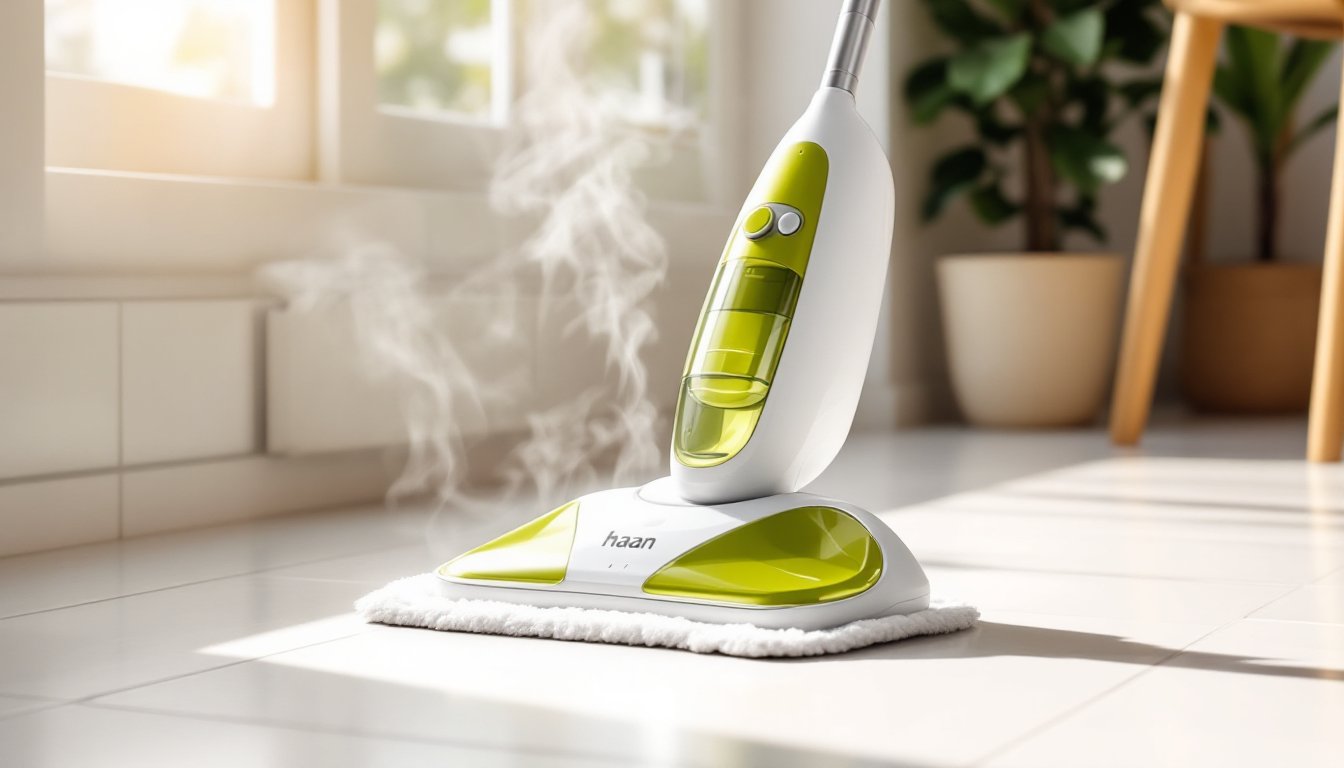
A Haan steam mop is an electric floor-cleaning appliance that heats water to approximately 212°F (boiling point) and releases it as pressurized steam through a microfiber pad. Unlike traditional mops that spread dirty water around, steam mops sanitize surfaces on contact, studies show steam at this temperature kills 99.9% of common household bacteria and dust mites without chemical cleaners.
The basic mechanism is straightforward: you fill an onboard water tank (usually 12–16 ounces for Haan models), plug in the unit, and wait 20–30 seconds for the water to heat. Once ready, pressing a trigger or button releases steam onto the floor. The microfiber pad attached to the mop head absorbs loosened dirt and moisture.
Haan units typically feature a triangular or rectangular mop head that swivels for maneuverability around chair legs and tight corners. Most models include variable steam settings, low for sealed hardwood or laminate, high for ceramic tile or stone. The steam penetrates grout lines and textured surfaces more effectively than a damp mop, lifting embedded grime without scrubbing.
One key distinction: steam mops are designed for sealed hard surfaces only. Never use them on unsealed wood, waxed floors, or delicate surfaces like cork without manufacturer approval. The moisture can warp or damage materials that aren’t moisture-resistant. Always check your flooring warranty before using steam.
Key Features That Set Haan Steam Mops Apart
Haan differentiates itself with several design choices that appeal to DIY-focused homeowners:
Sanitizing Trays and Accessories
Many Haan models bundle a carpet glide attachment and a sanitizing tray for cleaning small items like sponges or pet toys. The tray slides into the mop head, letting you steam-clean objects without submerging them. It’s a niche feature, but useful for households concerned about cross-contamination.
Reusable Microfiber Pads
Each unit ships with at least two machine-washable microfiber pads. Unlike disposable pads from some competitors, Haan pads can handle dozens of washes, reducing long-term costs. Replacement pads run about $10–$15 for a two-pack, and they’re widely available online.
Swivel Steering and Low-Profile Head
The mop head on most Haan models swivels 180 degrees, making it easier to navigate around furniture and into corners. The low-profile design (typically under 3 inches tall) slides under most toe kicks and radiators without requiring furniture to be moved.
Fast Heat-Up Time
Haan advertises a 15–30 second heat-up, which holds true in practice. This beats older steam mops that could take several minutes. The quick start is handy for spot-cleaning spills or high-traffic zones without waiting.
Variable Steam Control
Entry-level models offer two steam settings (light and heavy), while premium versions feature three or more levels. According to testing from cleaning experts and product reviewers, adjustable steam helps match output to floor type, reducing the risk of moisture damage on sensitive surfaces like engineered hardwood.
Lightweight Build
Most Haan steam mops weigh between 4–6 pounds when empty, making them easier to maneuver than heavier canister-style steamers or traditional mops with full buckets.
Which Haan Steam Mop Model Is Right for Your Home?
Haan produces several models, each tailored to different floor types and household sizes. Here’s how to narrow your choice:
Entry-Level Models (e.g., Haan SI-25, SI-35)
These units offer basic steam mopping with two steam settings and a 12-ounce water tank. They’re ideal for smaller homes or apartments under 1,000 square feet with mostly tile or vinyl. Expect to refill the tank once per full cleaning session. These models lack the sanitizing tray and carpet glide but deliver solid performance for routine maintenance.
Mid-Range Models (e.g., Haan SI-60, SI-70)
Mid-tier Haan mops add variable steam control, larger tanks (up to 16 ounces), and bundled accessories like the sanitizing tray. They’re well-suited for homes with mixed flooring, sealed hardwood in living areas, tile in kitchens and baths. The adjustable steam prevents over-wetting delicate surfaces. Reliability and features from these models often appear in comprehensive steam mop testing by product review sites.
Premium or Multi-Function Models
Some Haan units double as handheld steamers for upholstery, grout, or countertops. These include a detachable steam unit and come with nozzle attachments. If you want one tool for floors and bathroom tile, a multi-function model saves storage space. But, the added complexity means more parts to clean and potentially more points of failure.
Floor Type Considerations
- Sealed hardwood or engineered wood: Choose a model with low or variable steam to avoid warping. Keep the mop moving: don’t let steam pool.
- Ceramic tile and grout: High steam settings work best. The grout benefits from prolonged heat exposure, so slower passes help.
- Laminate and vinyl plank: Use low to medium steam. Excess moisture can seep into seams and cause swelling.
- Natural stone (marble, travertine): Check manufacturer guidelines. Some stones are steam-safe: others require pH-neutral cleaners only.
If your home is over 1,500 square feet or has large open-plan areas, consider a model with a larger tank or a corded design (vs. cordless) to avoid mid-job refills.
How to Use Your Haan Steam Mop for Best Results
Proper technique makes the difference between spotless floors and streaky residue. Follow these steps:
Before You Start
- Sweep or vacuum thoroughly. Steam mops don’t pick up loose debris, they’ll just push dirt around and clog the microfiber pad.
- Attach a clean, dry microfiber pad. Damp or dirty pads reduce steam penetration and leave streaks.
- Fill the water tank with distilled or filtered water. Tap water with high mineral content can leave white residue and clog the heating element over time. Distilled water costs about $1 per gallon and extends the mop’s lifespan.
- Plug in and wait for the ready indicator, usually a light or audible beep.
Mopping Technique
- Select the appropriate steam setting for your floor type. Start low: you can always increase if needed.
- Move the mop in slow, overlapping passes. Speed matters: gliding too fast doesn’t give steam time to break down grime. A pace of roughly one foot per second works well.
- For stubborn spots, hold the mop head in place for 5–10 seconds while releasing steam. The heat softens stuck-on food or sticky residue.
- Work backward toward an exit so you don’t walk on freshly steamed floors. Most surfaces dry within 2–3 minutes, but avoid heavy foot traffic until fully dry.
After Cleaning
- Unplug and let the unit cool for at least 5 minutes.
- Remove the microfiber pad and toss it in the washing machine. Wash with like colors using no fabric softener, softener reduces absorbency.
- Empty any remaining water from the tank to prevent mineral buildup.
- Wipe down the mop head and handle with a damp cloth.
Safety note: Wear closed-toe shoes while operating. Steam escaping from the pad edges can cause burns. Never aim the steam at people, pets, or electronics.
Maintenance and Care Tips for Long-Lasting Performance
Routine maintenance keeps your Haan steam mop running efficiently and prevents costly repairs.
Descaling the Heating Element
Even with distilled water, mineral deposits can accumulate in the heating chamber. Every 30–40 uses (or roughly every 3 months for weekly cleaning), descale the unit:
- Mix equal parts white vinegar and distilled water.
- Fill the tank halfway and turn on the mop.
- Let it steam for 1–2 minutes, then turn off and let sit for 10 minutes.
- Empty the tank, rinse thoroughly with distilled water, and run a steam cycle with plain water to flush residue.
Skip this step, and you’ll notice weaker steam output or sputtering.
Microfiber Pad Care
Wash pads after every 2–3 uses or when visibly soiled. Use warm water and mild detergent, no bleach, which breaks down fibers. Air-dry or tumble on low heat. Replace pads when they become thin or lose their texture (typically after 40–50 washes).
Cord and Hose Inspection
Check the power cord and steam hose (if applicable) for cracks or fraying every few months. Damaged cords pose shock and fire hazards. If you spot damage, discontinue use and contact Haan for replacement parts.
Storage Best Practices
Store the mop upright in a dry location. Don’t wrap the cord tightly around the handle, this stresses the wire insulation. Instead, use loose loops or a hook. Keep extra microfiber pads and accessories in a labeled bin for quick access. Following simple organization strategies for cleaning supplies prevents lost parts and makes routine upkeep easier.
Filter Replacement (if equipped)
Some premium Haan models include a water filter or demineralization cartridge. Replace according to the manual, typically every 3–6 months. Replacement filters cost around $8–$12 and significantly extend the unit’s life.
Common Troubleshooting Issues and Solutions
Even well-maintained steam mops occasionally act up. Here’s how to diagnose and fix typical problems:
No Steam or Weak Steam Output
- Cause: Mineral buildup in the heating element or nozzle blockage.
- Fix: Descale the unit using the vinegar method outlined above. If that doesn’t work, use a straight pin or needle to carefully clear the steam vents on the mop head. Be gentle, damaging the vent holes can worsen the issue.
Water Leaking from the Tank
- Cause: Damaged gasket, overfilled tank, or cracked reservoir.
- Fix: Check the fill line, never exceed the maximum mark. Inspect the tank cap gasket for wear and replace if cracked (usually a $5–$10 part). If the tank itself is cracked, contact Haan for a replacement.
Mop Leaves Streaks or Residue
- Cause: Dirty pad, hard water deposits, or incorrect steam setting.
- Fix: Switch to a fresh pad and use distilled water. If streaks persist, the floor may have wax or polish buildup that steam alone won’t remove, pre-clean with a pH-neutral floor cleaner.
Unit Won’t Power On
- Cause: Tripped breaker, faulty outlet, or internal fuse.
- Fix: Test the outlet with another appliance. Check your home’s breaker panel. If the outlet works but the mop doesn’t, the internal thermal fuse may have blown (a safety feature). This requires professional repair or replacement.
Steam Smells Musty or Moldy
- Cause: Stagnant water left in the tank or dirty pad.
- Fix: Always empty the tank after use. Run a vinegar-water cycle, then flush with distilled water. Wash all pads immediately after cleaning.
Handle or Trigger Feels Loose
- Cause: Stripped screws or worn pivot joints.
- Fix: Tighten visible screws with a Phillips-head screwdriver. If the handle still wobbles, the pivot mechanism may need replacement, contact Haan support for parts.
If issues persist after these fixes, the unit may have a failed heating element or pump. Most Haan mops carry a 1-year limited warranty, so check your purchase date and contact customer service before attempting repairs yourself.
Conclusion
Haan steam mops deliver on the promise of chemical-free, efficient floor cleaning when matched to the right surfaces and maintained properly. They’re not magic, you still need to sweep first, use distilled water, and keep pads clean, but they cut mopping time and eliminate the bucket of dirty water. Choose a model based on your floor types and square footage, follow the usage guidelines, and descale regularly. With basic care, a Haan steam mop can simplify routine floor maintenance for years.