Table of Contents
ToggleA 72-inch double sink vanity transforms a cramped bathroom routine into something civilized. Two people can brush teeth, wash faces, and get ready simultaneously without battling for counter space. This size hits the sweet spot: large enough for genuine dual functionality, yet compact enough to fit most master bathrooms without architectural gymnastics. Whether renovating a tired 1990s builder-grade bath or finishing a new construction project, understanding what separates a solid vanity investment from a particleboard regret makes all the difference. This guide walks through sizing, materials, installation realities, and budget expectations so homeowners can choose confidently.
Key Takeaways
- A 72-inch double sink vanity provides 16 to 20 inches of counter space per person, enabling two people to use the bathroom simultaneously without compromising functionality or storage.
- Choose solid wood or quality MDF construction with ½-inch plywood sides and soft-close hardware to ensure your vanity lasts 10 to 15 years rather than deteriorating in 5 to 7 years.
- Verify your wall is at least 76 to 78 inches wide and that existing plumbing drains align 18 to 24 inches apart before purchasing, as modifications can cost $200 to $1,000.
- Mid-range 72-inch double sink vanities ($1,500 to $2,500) offer the best value for homeowner renovations, balancing quality finishes, durable materials, and long-term reliability.
- Plan additional costs beyond the vanity itself, including faucets ($150 to $600), mirrors ($100 to $800), and professional installation ($500 to $1,500), which can double your total project budget.
- Floating vanity designs require heavy-duty wall anchors fastened into studs with 3-inch lag screws and may demand structural permits, so confirm local building codes before selecting this modern style.
Why Choose a 72-Inch Double Sink Vanity for Your Bathroom?
The 72-inch footprint delivers 16 to 20 inches of counter space per person on average, depending on sink size and placement. That’s enough room for toiletries, a soap dispenser, and a couple of decorative items without cluttering the work zone.
Master bathrooms typically range from 100 to 200 square feet, and a 72-inch vanity anchors the space without overwhelming it. Smaller vanities (48 to 60 inches) often force compromises, undersized sinks or minimal counter area. Larger options (84+ inches) demand more square footage and can make a moderately sized bathroom feel off-balance.
Double sinks also boost resale value in markets where master suites are standard. Buyers expect dual functionality in homes with three or more bedrooms. Real estate agents consistently note that updated bathrooms with double vanity configurations rank high on buyer wish lists.
Practically speaking, the 72-inch width accommodates most plumbing layouts without requiring major drain or supply line relocations. Standard residential drains sit 18 to 24 inches apart, and this vanity size easily spans that distance. If the existing plumbing doesn’t align perfectly, flexible supply lines and offset drains (within reason) can usually bridge the gap.
Key Features to Look for in a 72-Inch Double Vanity
Start with countertop material. Cultured marble offers a seamless, low-maintenance surface with integrated sinks, typically priced around $400 to $700 for a 72-inch top. Quartz costs more, $800 to $1,500, but resists staining and heat better. Natural stone (granite, marble) looks premium but requires periodic sealing to prevent water damage and etching from toothpaste or cosmetics.
Sink configuration matters. Undermount sinks simplify countertop cleanup but require solid-surface tops (no laminate). Drop-in or self-rimming sinks work with any countertop material and cost less to install, but crumbs and water collect around the rim. Vessel sinks create a modern look but reduce usable counter depth by 4 to 6 inches and complicate faucet placement.
Storage design directly impacts daily function. Look for soft-close drawers with dovetail joinery rather than stapled particleboard boxes. Drawers beat cabinet doors for accessibility, no crouching or rummaging in dark corners. A center drawer stack between the sinks provides prime real estate for hair tools and skincare, while side drawers handle towels and bulk supplies.
Faucet spread (the distance between hot and cold handles, or from spout to handles) must match the vanity’s predrilled holes. Widespread faucets require three holes spaced 8 inches apart. Single-hole or centerset faucets (4-inch spread) offer more countertop flexibility. If ordering a vanity without a top, choose the faucet first so hole drilling matches.
Material and Construction Quality
Solid wood (oak, maple, birch) costs $1,200 to $3,000 and handles moisture well when properly sealed. Cheaper alternatives use MDF (medium-density fiberboard) or particleboard with veneer. MDF works fine if the bathroom has adequate ventilation, but particleboard swells and crumbles if water seeps into edges or screw holes.
Check cabinet box thickness. Quality units use ½-inch or ¾-inch plywood for sides and backs. Budget models cut costs with ¼-inch panels that rack and sag over time. Flip the vanity and inspect the underside, solid bracing and corner blocks indicate better engineering.
Finish durability separates a five-year vanity from a fifteen-year one. Catalyzed conversion varnish or water-based polyurethane resists moisture and cleaning chemicals. Cheap lacquer or basic stain-and-seal finishes chip and peel in humid environments. If the manufacturer doesn’t specify finish type, assume it’s low-grade.
Hardware (hinges, drawer slides) should carry weight ratings. Ball-bearing slides rated for 75+ pounds handle fully loaded drawers without binding. European-style concealed hinges with 100° openings provide full access and adjust in three directions if doors drift out of alignment.
Popular Styles and Finishes for 72-Inch Double Vanities
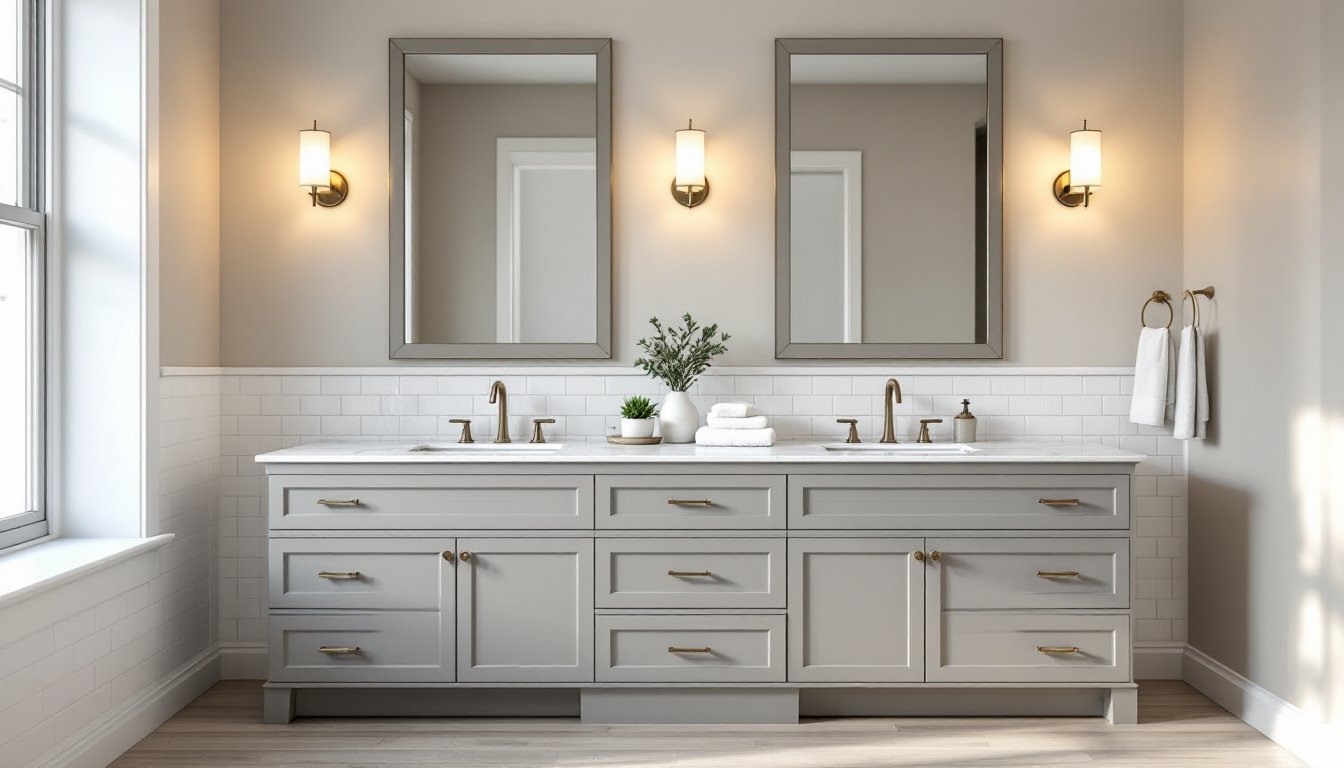
Transitional styles dominate the market, clean lines, recessed-panel doors, and neutral finishes (gray, white, espresso) that bridge traditional and modern aesthetics. These vanities suit most home styles and age well as trends shift.
Modern or contemporary designs feature flat-panel doors, minimal hardware (often horizontal pulls or push-to-open mechanisms), and floating installations. Floating vanities expose 6 to 12 inches of floor space beneath, creating a lighter visual footprint and simplifying floor cleaning. But, they require solid backing or blocking between studs during installation, not all walls can handle a 300-pound cantilevered load.
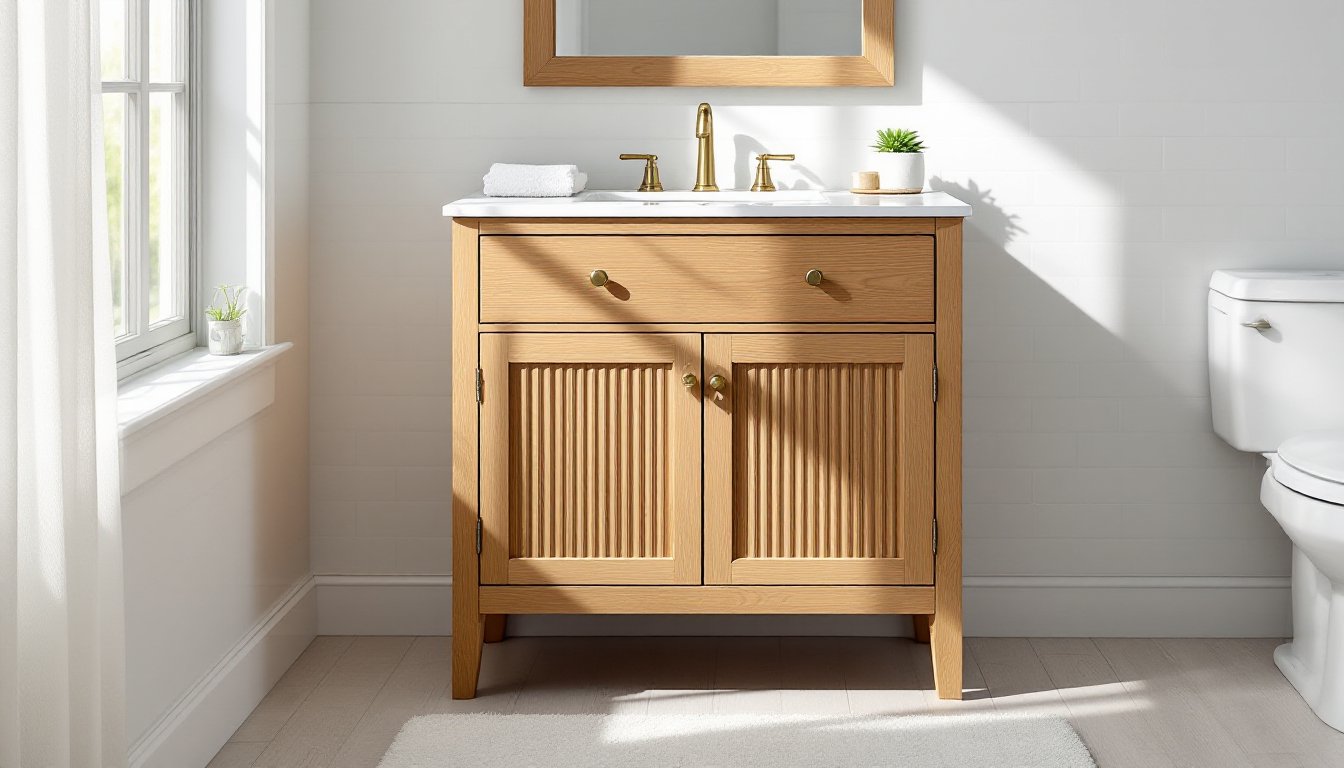
Farmhouse or cottage styles bring bead-board panels, turned legs, and distressed finishes in whites, creams, and soft blues. These work in homes with shiplap, wainscoting, or country detailing but look out of place in mid-century or industrial interiors.
Industrial vanities combine metal frames with wood or concrete tops. They’re striking but less common in 72-inch double configurations due to weight and cost. Metal requires powder coating or sealed finishes to prevent rust in humid bathrooms.
Finish color impacts perceived bathroom size and light. White and light gray reflect light and make compact bathrooms feel larger. Navy, charcoal, and espresso add drama but need adequate lighting and lighter walls to avoid a cave-like feel. Natural wood tones (honey oak, walnut, weathered gray) introduce warmth and pair well with stone or neutral tile.
Hardware finishes should coordinate with faucets, lighting, and towel bars. Matte black, brushed nickel, and oil-rubbed bronze currently lead in popularity. Chrome looks clean but shows water spots. Gold and brass finishes cycle in and out of fashion, choose based on the home’s overall style rather than trends.
Installation Considerations and Space Requirements
A 72-inch vanity needs a wall at least 76 to 78 inches wide for comfortable installation and door clearance. Add 2 to 3 inches on each side for scribing (trimming edges to fit wall irregularities) and caulking. If the wall measures exactly 72 inches between corners, the vanity won’t fit without modification.
Standard vanity height is 32 to 36 inches, but many homeowners now prefer comfort height (36 inches), which reduces bending and aligns better with vessel sinks. Measure existing plumbing before committing to a height, moving drains costs $200 to $500 if a plumber needs to open walls and reroute pipes.
Depth runs 18 to 24 inches. Deeper vanities provide more storage but encroach on floor space. In tight bathrooms, ensure at least 30 inches of clearance in front of the vanity (per IRC code) for comfortable standing and door swing. If the toilet sits perpendicular to the vanity, maintain 15 inches minimum from the toilet centerline to the vanity edge.
Check for obstructions behind the wall: electrical outlets, GFCI breakers, vent pipes, and studs. Outlets should sit above the backsplash (roughly 42 to 48 inches from the floor) to stay accessible. If the vanity covers existing outlets, hire an electrician to relocate them, this typically requires a permit.
Plumbing hookup varies by vanity design. Freestanding or furniture-style vanities with legs expose plumbing, so invest in attractive shut-off valves and braided supply lines. Full-back vanities hide pipes but require precise cutouts for drains and supplies.
Most 72-inch vanities ship partially assembled or as flat-pack units. Budget two to four hours for assembly and another four to six hours for installation (removing old vanity, adjusting plumbing, leveling, securing to wall studs, connecting sinks and faucets, caulking). A second person helps when lifting and positioning, these units weigh 200 to 400 pounds fully assembled.
Tools needed: Level, stud finder, drill/driver, adjustable wrench, basin wrench, silicone caulk, shims, painter’s tape. If cutting a laminate or quartz top for faucet holes, rent a diamond hole saw. Attempting to drill natural stone or porcelain with standard bits cracks the material.
Floating vanities demand proper anchoring. Use heavy-duty wall brackets or a French cleat system fastened into at least two studs with 3-inch lag screws. Toggle bolts in drywall alone won’t support the weight. Many jurisdictions consider floating vanity installation a structural modification requiring inspection, so check local codes.
Budget Planning: What to Expect When Investing in a 72-Inch Vanity
Entry-level vanities (particleboard construction, integrated cultured marble tops, basic hardware) start around $800 to $1,200. These work for rental properties or quick flips but expect a 5- to 7-year lifespan with moderate use.
Mid-range options ($1,500 to $2,500) offer solid wood or quality MDF, quartz or granite tops, soft-close hardware, and better finish durability. This tier suits most homeowner renovations and delivers 10 to 15 years of reliable service.
High-end vanities ($3,000 to $6,000+) feature custom dimensions, premium hardwoods, stone tops with decorative edges, and designer hardware. Custom builds allow specific sizing, unique finishes, and bespoke storage solutions but extend lead times to 6 to 12 weeks.
Don’t forget additional costs. Faucets add $150 to $600 per sink (widespread faucets typically cost more than single-hole models). Mirrors or medicine cabinets run $100 to $800 depending on size and frame style. If replacing lighting, budget $200 to $500 for fixtures plus electrician fees if hardwiring is required.
Plumbing modifications inflate budgets quickly. Moving drains, adding shut-off valves, or upgrading old galvanized pipes to PEX costs $300 to $1,000. Permit fees (if required) range from $50 to $200 depending on jurisdiction.
Delivery and installation services vary. Big-box retailers often charge $100 to $200 for delivery but don’t include assembly or installation. Professional installation through contractors runs $500 to $1,500, covering plumbing hookup, securing the vanity, and cleanup. DIYers save labor costs but should realistically assess skill level, improper plumbing connections cause water damage that exceeds installation savings.
Financing options exist through home improvement platforms and retailers offering 12- to 24-month zero-interest promotions. Compare terms carefully: deferred interest plans charge retroactive interest if the balance isn’t cleared by the deadline.
Market conditions affect pricing. Lumber and material shortages in recent years drove vanity prices up 15% to 30%. Shopping during off-peak seasons (late winter, early spring) sometimes yields better deals as retailers clear inventory. Floor models and discontinued styles offer discounts of 20% to 40% but come as-is with limited or no warranty.
Conclusion
A 72-inch double sink vanity balances function, style, and practicality for most master bathrooms. Prioritize construction quality and accurate measurements over trendy finishes that may not age well. Installation success hinges on proper planning, verify wall dimensions, plumbing alignment, and code requirements before ordering. Homeowners comfortable with plumbing and carpentry can tackle installation as a weekend project, but tight quarters or outdated plumbing justifies hiring help. Choose materials and finishes that match both daily use patterns and long-term home goals. A well-selected vanity anchors the bathroom for years, making rushed decisions now costly later.