Table of Contents
ToggleWhen it comes to maintaining your GE refrigerator’s water and ice quality, the GWF filter is the workhorse that keeps everything running clean. Unlike some appliance maintenance tasks that can slide for months, a water filter directly affects what your family drinks and uses for cooking every single day. The GE GWF filter fits a wide range of older and mid-generation GE side-by-side refrigerators, and understanding how it works, when to change it, and where to get authentic replacements can save homeowners both money and headaches. This guide walks through everything needed to keep that filter performing as intended, no guesswork, no mystery leaks, no cloudy ice cubes.
Key Takeaways
- The GE GWF filter uses activated carbon filtration to reduce chlorine taste, odor, and particulates, with a typical six-month service life of 200–300 gallons depending on household water consumption.
- Replace your GWF filter when the status indicator light turns red, water flow slows, ice appears cloudy, or chlorine taste returns—whichever comes first.
- Replacing a GE refrigerator water filter GWF takes about five minutes with no tools required: locate it in the upper right corner, turn counterclockwise, insert the new filter, rotate clockwise to lock, then flush 2–3 gallons of water to clear carbon fines.
- Purchase genuine GE GWF filters from the official GE Appliances site, Home Depot, Lowe’s, or authorized dealers to avoid counterfeits, which often cost suspiciously less than the typical $35–$50 retail price.
- The GWF filter is not interchangeable with other GE models like MWF, RPWF, or XWFE, so always verify compatibility using your refrigerator’s model number before purchasing a replacement.
- Common issues like water leaks, slow flow, or beeping after filter installation are usually fixed by ensuring the filter locks properly, replacing a clogged filter early, or resetting the status light.
What Is the GE GWF Water Filter and Why Does It Matter?
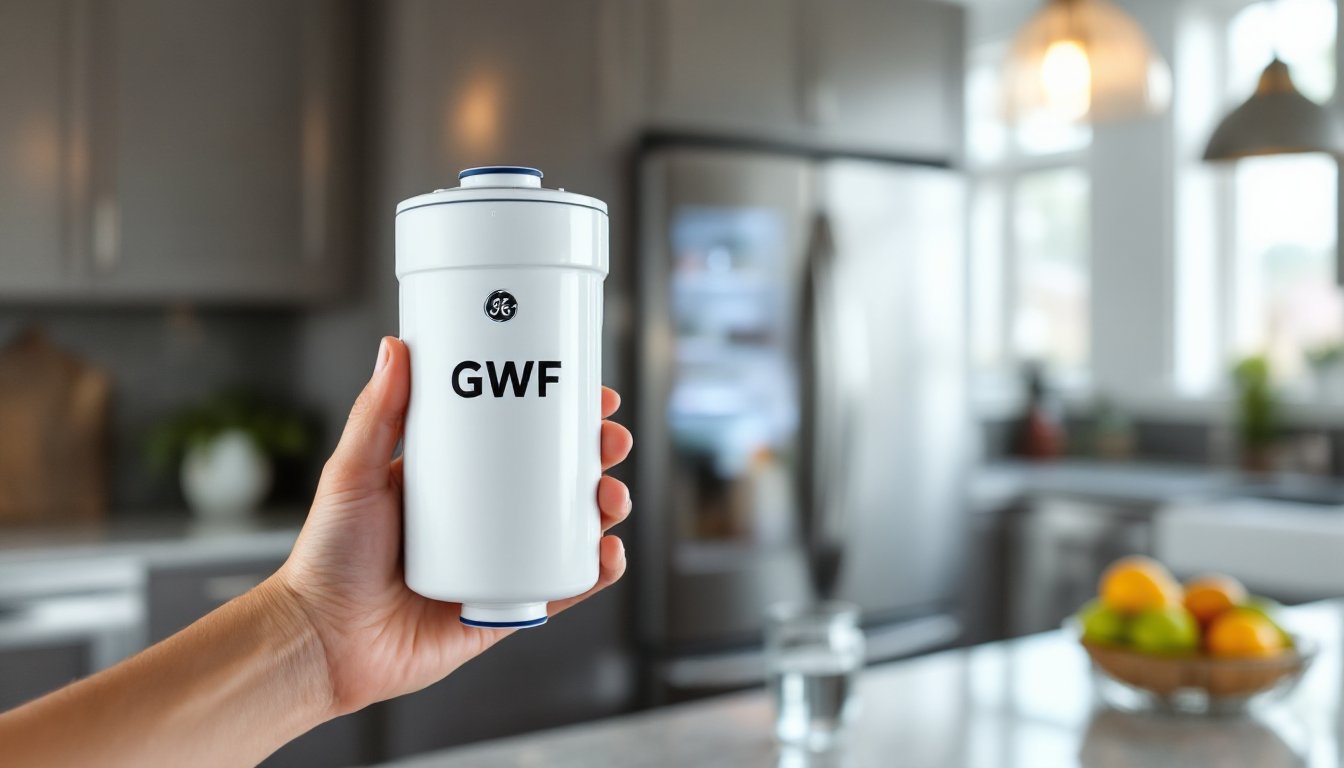
The GE GWF filter is an internal refrigerator water filter designed to reduce contaminants in water and ice. It’s a cylindrical cartridge that installs inside the fresh food compartment, typically in the upper right corner of the refrigerator interior. The GWF uses activated carbon filtration to reduce chlorine taste and odor, along with particulates like sediment and rust that may enter through municipal water lines.
Unlike external inline filters or pitcher filters, the GWF integrates directly into the refrigerator’s water supply system. When someone dispenses water or makes ice, the water passes through the filter before reaching the glass or ice maker. This means consistent filtration without extra countertop equipment or manual pour-through steps.
The filter is certified to NSF/ANSI Standard 42, which covers aesthetic effects like taste, odor, and chlorine reduction. It’s not rated for lead or cyst removal, homeowners concerned about those contaminants should verify their local water quality and consider a whole-house or under-sink filtration system plus to the refrigerator filter.
GWF compatibility covers a range of GE side-by-side refrigerator models manufactured primarily between the late 1990s and early 2010s. Specific model numbers are listed in the refrigerator’s user manual or on GE’s appliance support site. The filter typically has a six-month service life under average use, which translates to about 200 to 300 gallons of filtered water depending on household consumption.
Why does it matter? A clogged or expired filter reduces water flow, increases pressure on internal tubing, and allows contaminants to bypass the carbon media. Over time, a neglected filter can degrade ice maker performance and even cause leaks if internal seals fail under pressure. Routine replacement is straightforward preventive maintenance that protects both water quality and appliance longevity.
How to Know When Your GWF Filter Needs Replacement
Most GE refrigerators with GWF filters include a filter status indicator light on the dispenser panel. When the light turns red or begins flashing, it’s time to swap the filter. This indicator tracks time, not actual water volume, so it’s a general reminder rather than a precise measurement.
Even without an indicator light, homeowners can watch for these signs:
• Slower water dispenser flow: If filling a glass takes noticeably longer, the filter is likely clogged with sediment.
• Cloudy or discolored ice cubes: Particulates bypassing a saturated filter can cloud ice or leave visible specks.
• Chlorine taste or odor returning: Once the activated carbon is exhausted, tap water flavor comes through unfiltered.
• Six months have passed: Even if flow seems normal, the filter’s media loses effectiveness over time. Mark the installation date on a calendar or use a smartphone reminder.
In households with high sediment or chlorine levels in municipal water, filters may clog faster than the six-month guideline. Homeowners on well water should be especially attentive, as sediment, iron, and mineral content can shorten filter life.
It’s also worth checking the filter housing for signs of leakage or calcium buildup. If water pools inside the refrigerator or around the filter compartment, the filter may not be seated correctly, or the O-ring seal may be damaged. Addressing these issues during routine replacement prevents more serious leaks down the line.
Step-by-Step Guide to Replacing Your GE GWF Filter
Replacing the GWF filter takes about five minutes and requires no tools. Before starting, purchase a replacement filter and have a towel handy to catch any residual water.
Step 1: Locate the filter.
Open the refrigerator door and look in the upper right corner of the fresh food compartment. The filter is a cylindrical cartridge behind a round cover or cap.
Step 2: Turn counterclockwise to remove.
Grasp the old filter and rotate it a quarter-turn counterclockwise (lefty-loosey). The filter will release from the housing. Pull it straight out. Some water may drip, this is normal. Have a towel ready.
Step 3: Prepare the new filter.
Remove the protective cap or shrink wrap from the new GWF filter. Do not remove any O-rings or seals on the filter body, they’re essential for a leak-free fit.
Step 4: Insert the new filter.
Align the new filter with the housing and push it straight in until it stops. Then rotate a quarter-turn clockwise until it locks into place. The filter should sit flush with the housing.
Step 5: Flush the system.
Dispense 2 to 3 gallons of water through the refrigerator’s water dispenser. This clears out any carbon fines (harmless black particles) from the new filter and ensures proper flow. The first few glasses may appear cloudy or have small black specks, this is normal and safe. Continue flushing until the water runs clear.
Step 6: Reset the filter status light.
If the refrigerator has a filter indicator, press and hold the reset button (usually labeled “Filter Reset” or “Alarm Reset”) for three seconds until the light turns green or turns off. Refer to the user manual for model-specific instructions.
Safety note: If the filter housing is cracked or the O-ring is damaged, replace the housing before installing a new filter. Forcing a filter into a damaged housing can cause leaks inside the refrigerator.
GWF vs. Other GE Water Filters: Understanding the Differences
GE manufactures several refrigerator water filter models, and using the wrong one can result in leaks, poor fit, or no filtration at all. The GWF filter is distinct from other common GE filters like the MWF, RPWF, and XWFE.
GWF: Internal cartridge for older side-by-side models. Twist-and-lock installation in the fresh food compartment. Certified to NSF 42 for chlorine and taste reduction.
MWF: Also an internal filter, but designed for French-door and newer side-by-side models. It’s physically similar but has a different thread pattern and seal design. Not interchangeable with GWF.
RPWF: Introduced for models made after 2018. Features RFID chip authentication to prevent counterfeit filters. Will not work in GWF-compatible refrigerators.
XWFE: The newest GE filter, replacing the XWF in 2020 and later models. Also uses RFID for authentication and is not backward-compatible with GWF housings.
Homeowners should always verify compatibility using the refrigerator’s model number, which is found on a label inside the fresh food compartment or on the left sidewall. GE’s website and the filter packaging both list compatible models.
Some third-party manufacturers produce filters marketed as “GWF compatible.” Independent testing by cleaning and appliance experts has shown that quality varies. Genuine GE filters are tested for fit and filtration performance, while aftermarket filters may use lower-grade carbon or seals that degrade faster. If cost is a concern, buying multipacks of genuine filters often brings the per-unit price closer to third-party options without the risk.
Where to Buy Genuine GE GWF Filters and What to Avoid
Genuine GE GWF filters are available through several channels, but not all retailers stock authentic products. Counterfeit filters are a persistent problem, especially on third-party marketplaces.
Recommended sources:
• GE Appliances official site: Direct purchase from the manufacturer guarantees authenticity and includes warranty support.
• Major home improvement retailers: Lowe’s, Home Depot, and similar stores carry genuine GE filters in-store and online. Check packaging for GE branding and holographic security labels.
• Authorized appliance parts dealers: Local appliance repair shops and parts suppliers often stock OEM filters and can verify model compatibility on the spot.
Where to be cautious:
• Third-party marketplace sellers: Platforms like Amazon and eBay host both genuine and counterfeit listings. Look for “Ships from and sold by [Retailer]” rather than third-party sellers. Read reviews mentioning fit and leakage issues, these often indicate counterfeits.
• Generic “compatible” filters: Some aftermarket filters claim GWF compatibility but use different materials, leading to inconsistent filtration or premature seal failure. Refrigerator water filter testing shows that genuine OEM filters consistently outperform generic alternatives in contaminant reduction and longevity.
• Suspiciously low prices: If a filter is significantly cheaper than retail (often under $20), it’s likely counterfeit. Genuine GWF filters typically retail between $35 and $50.
Counterfeit warning signs:
• Packaging with misspellings, blurry logos, or no holographic seal.
• Filter body with rough edges, mismatched colors, or loose O-rings.
• No lot number or date code stamped on the filter body.
• Product listings with vague descriptions like “fits GE and others.”
For households that go through filters regularly, buying multipacks directly from GE or authorized retailers offers the best combination of price and authenticity. Some retailers also offer subscription services that ship replacement filters every six months, which removes the guesswork and ensures timely replacements.
Troubleshooting Common GWF Filter Issues
Even with correct installation, homeowners occasionally run into filter-related problems. Most are easy to diagnose and fix without a service call.
Water leaking inside the refrigerator after filter change:
This usually means the filter isn’t seated properly or the O-ring is damaged. Remove the filter, inspect the O-ring for nicks or debris, and reinstall. Make sure the filter locks into place with a firm quarter-turn. If leaking persists, the filter housing itself may be cracked and should be replaced.
Slow water flow or weak ice production:
A clogged filter is the most common cause. Replace the filter even if it hasn’t been six months, high sediment water can clog filters faster. If flow is still slow after replacement, check the refrigerator’s water supply line for kinks or a partially closed shutoff valve. Low household water pressure (below 20 psi) can also reduce flow.
Black specks or cloudy water after installing a new filter:
Carbon fines are released during initial use. Continue flushing the system, dispense 2 to 3 gallons until water runs clear. If specks persist beyond that, the filter may be defective or counterfeit.
Filter won’t lock into place:
Verify that the correct filter model is being used. GWF filters are not interchangeable with MWF, RPWF, or other GE filter types. If the correct filter is confirmed, inspect the housing for damage or debris blocking the threads.
Refrigerator beeping or flashing after filter replacement:
The filter status light needs to be reset. Press and hold the filter reset button (often labeled “Alarm Reset”) for three seconds. If the refrigerator has no dedicated button, consult the user manual, some models require a specific button sequence on the control panel.
Strong plastic taste in water after filter change:
This is normal for the first few glasses. Continue flushing the system. If the taste persists beyond 3 gallons, the filter may be defective.
For persistent issues not resolved by these steps, contact GE Appliances support or a licensed appliance technician. Problems with the refrigerator’s water inlet valve, tubing, or ice maker assembly require professional diagnosis and may not be filter-related.
Conclusion
The GE GWF filter is a straightforward piece of maintenance that directly impacts daily water quality and appliance performance. Replacing it every six months, using genuine parts, and following proper installation steps keeps a refrigerator running as intended. Homeowners who stay on top of filter changes avoid common problems like slow flow, cloudy ice, and internal leaks, all of which are easier to prevent than fix. Mark the calendar, buy a genuine filter, and the job takes five minutes.