Table of Contents
ToggleStackable, compact, and loaded with tech that actually saves time, Electrolux washer dryers are built for homes where every square foot counts. Whether you’re retrofitting a closet-sized laundry nook or upgrading from a coin-op setup, these all-in-one units combine washing and drying in a single drum. No shuffling wet clothes between machines. No second set of hookups. Just one appliance that handles the full cycle. This guide breaks down what sets Electrolux apart, which models deliver the best performance, how to install them without calling a plumber, and how to keep them running without major service calls.
Key Takeaways
- Electrolux washer dryers combine two appliances into one space-saving unit using condensation drying and European engineering, eliminating the need for exterior vents and dedicated 240V circuits.
- Advanced features like the Adaptive Dispenser, LuxCare Wash System, and moisture sensors optimize performance while reducing cycle time and preventing fabric damage without pre-treating.
- The Electrolux ELFW7637AT and EFLS627UTT models deliver different capacities for various home sizes, with spin speeds up to 1,400 RPM that remove more water before drying.
- Proper installation requires measuring clearance for door swing, using stainless steel braided hoses, ensuring level placement, and confirming correct electrical connections to prevent vibration and water leaks.
- While wash-dry cycles take 3 to 4 hours and cost $1,400–$2,200, energy savings of approximately $28 annually and reduced water usage make Electrolux washer dryers ideal for space-limited homes, apartments, and condos.
- Regular maintenance like monthly cleaning cycles, weekly gasket wiping, and quarterly drain pump checks prevent mold, mildew, and common error codes while extending the typical 10–12 year lifespan.
What Makes Electrolux Washer Dryers Stand Out?
Electrolux leans hard into European engineering, which translates to energy efficiency ratings that outpace most domestic brands. Their washer dryers typically carry ENERGY STAR certification and use condensation drying instead of vented heat. That means no exterior vent required, a huge plus if you’re installing in an interior closet or bathroom.
The Adaptive Dispenser automatically releases detergent, fabric softener, and bleach at the optimal time during the wash. You load all three chambers once, and the machine handles timing based on cycle selection. It’s a small detail, but it prevents overdosing and fabric damage from premature bleach contact.
Most models run on standard 120V household outlets, not the 240V circuits that traditional electric dryers demand. That simplifies installation, though it does mean longer drying times, expect 3 to 4 hours for a full wash-dry cycle compared to the 90 minutes you’d get with a standalone dryer on a dedicated 240V line.
Key Features and Technology
LuxCare Wash System uses a combination of temperature control, drum action, and detergent activation to handle stains without pre-treating. The system adjusts water temp in 1-degree increments and varies the drum’s rotation pattern, sometimes tumbling, sometimes spinning at high speed, to match fabric type.
Perfect Steam technology releases steam at the end of the wash cycle to relax wrinkles and reduce the need for ironing. It’s not a substitute for pressing dress shirts, but it works well on casual wear and bedding.
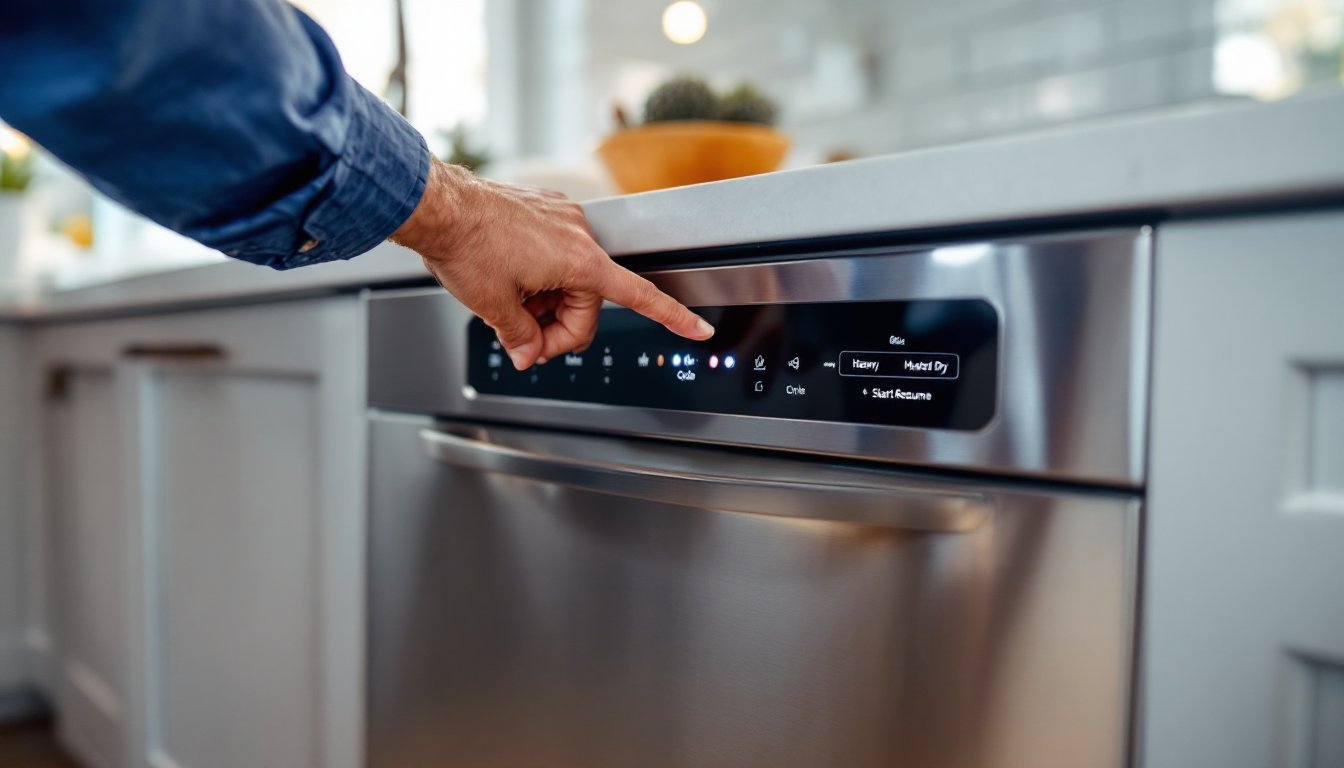
Moisture sensors inside the drum monitor humidity and automatically stop the dryer when clothes hit the selected dryness level (damp, normal, or extra dry). This prevents over-drying, which is the top cause of shrinkage and fabric wear.
Most Electrolux washer dryers also include smartphone connectivity via WiFi. The app lets you start cycles remotely, download specialty cycles (like activewear or waterproof jackets), and get push notifications when a load finishes. It’s not essential, but it’s useful if your laundry area is out of earshot.
Top Electrolux Washer Dryer Models for Your Home
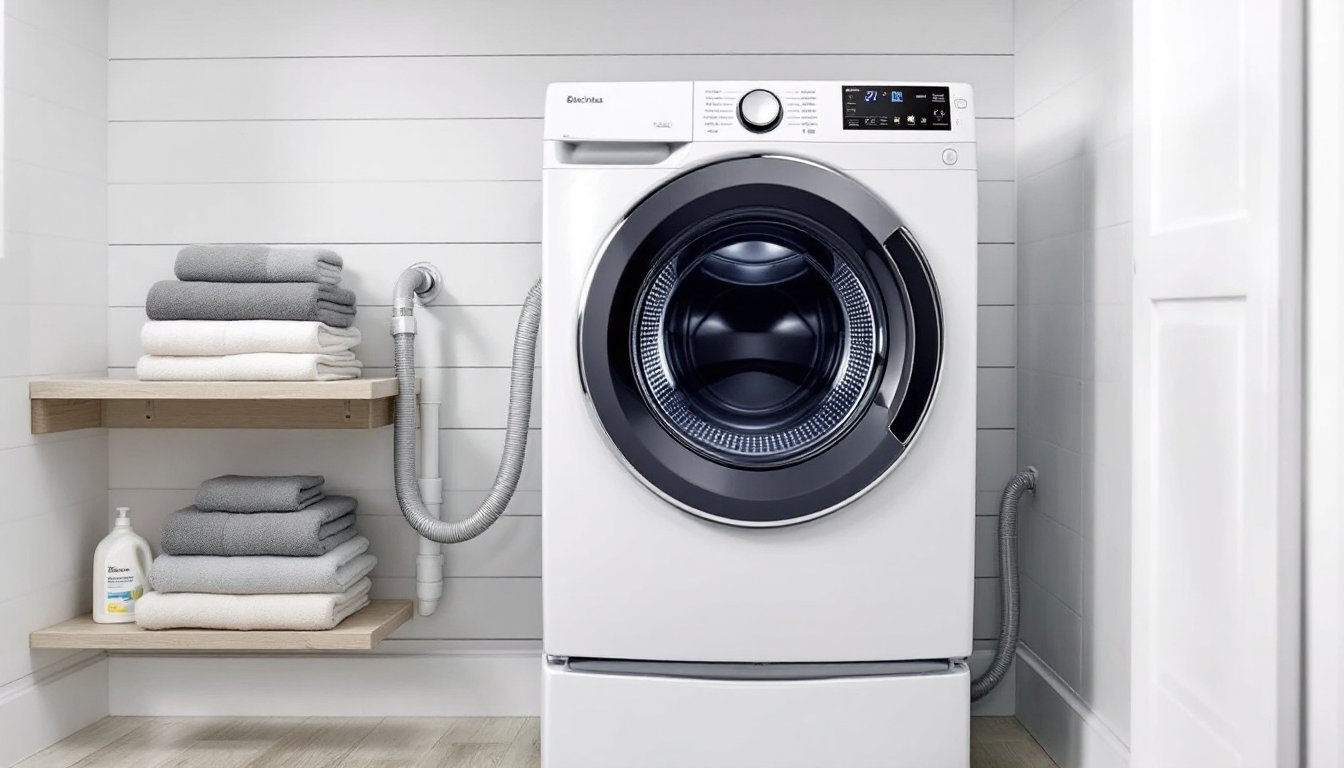
The Electrolux ELFW7637AT is a front-load washer dryer combo with a 4.5 cu. ft. drum capacity. It handles king-size comforters and can wash up to 16 pounds or dry 12 pounds in one go. It measures 27 inches wide by 38 inches deep by 39 inches tall, which fits standard closet openings but requires at least 6 inches of clearance behind the unit for hoses and electrical connections.
This model includes the LuxCare and Perfect Steam features, plus a 15-minute Fast Wash for lightly soiled loads. Independent testing by appliance reviewers consistently ranks it among the top-performing combo units for stain removal and energy efficiency.
The Electrolux EFLS627UTT is a more compact option at 24 inches wide, designed for apartments and condos. It has a 2.4 cu. ft. capacity, which handles about 12 pounds of laundry per wash. The smaller drum means faster cycle times, around 2.5 hours for a full wash and dry, but you’ll run more loads if you’re washing for a family.
Both models use condensation drying with a heat pump, which recycles hot air instead of venting it outside. Water extracted during drying either drains through the same hose as wash water or collects in a reservoir you empty manually. Check your unit’s specs, some versions require a floor drain or standpipe, while others can pump water up to 8 feet vertically into a sink.
If you’re comparing options, expert testing shows Electrolux models excel at spin speed (up to 1,400 RPM), which removes more water before the drying phase and cuts total cycle time.
Installation and Space Planning Tips
Measure twice, order once. The unit’s width is only part of the equation. You need clearance for door swing (front-loaders open outward about 24 inches), hose connections, and ventilation. Electrolux recommends 1 inch on each side and 6 inches in back.
Most Electrolux washer dryers ship with adjustable leveling feet. Use a torpedo level on top of the unit (front-to-back and side-to-side) and adjust the feet until it’s perfectly level. An unlevel washer will vibrate excessively during the spin cycle and can “walk” across the floor. If you’re installing on a wood subfloor, consider adding a 3/4-inch plywood base under the unit to reduce vibration transfer.
Water supply lines should be stainless steel braided hoses, not the cheaper rubber ones. They resist bursting and are required by some jurisdictions under the International Plumbing Code (IPC). Hand-tighten, then add a quarter-turn with channel locks, overtightening can crack the plastic inlet valve.
The drain hose needs to discharge into a standpipe (minimum 18 inches tall, maximum 96 inches) or a laundry sink. Secure it with a zip tie or hose clamp so it can’t pop out during the drain cycle. If your washer dryer has a built-in condensation tank, you’ll empty it manually after every few cycles, check the manual for your model.
Electrical connection is straightforward for 120V models: plug into a grounded 15- or 20-amp circuit. Don’t share the circuit with other high-draw appliances. If you’re installing a 240V model, hire a licensed electrician to run a dedicated circuit and install the proper receptacle, this is not a DIY job unless you hold an electrical license.
Permits generally aren’t required for appliance replacement, but if you’re adding new plumbing or electrical runs, check with your local building department. Some municipalities require permits for any work that involves opening walls or running new circuits.
Maintenance and Troubleshooting Your Electrolux Washer Dryer
Run a cleaning cycle once a month using either Electrolux’s washer cleaner tablets or a cup of white vinegar. This prevents detergent buildup and mildew in the drum and door gasket. After each load, leave the door ajar for an hour to let moisture evaporate, mold loves a closed, damp drum.
The door gasket (the rubber seal around the door) is a magnet for lint, hair, and forgotten coins. Wipe it down weekly with a damp cloth. If you spot black spots (mold), scrub with a 1:1 mix of water and bleach, then rinse thoroughly.
Lint filter location varies by model. Some Electrolux units have a filter behind a small panel at the bottom front: others integrate it into the drain pump. Clean it every 5 to 10 loads. A clogged filter restricts drainage and can trigger error codes.
Check the drain pump filter quarterly. Turn off the unit, unplug it, and locate the access panel (usually lower front). Place a shallow pan underneath, water will spill when you unscrew the cap. Pull out any debris (bobby pins, buttons, pet hair), rinse the filter, and reinstall.
Common Issues and DIY Fixes
Error code E11 (drain timeout) means water isn’t leaving the drum fast enough. Check the drain hose for kinks, clear the lint filter, and ensure the standpipe isn’t clogged. If the error persists, the drain pump may be faulty, replacement pumps run $50 to $100 and require basic hand tools (Phillips screwdriver, pliers, and a towel for spills).
Excessive vibration during spin usually means an unbalanced load or unlevel installation. Stop the cycle, redistribute the clothes, and recheck leveling with a bubble level. If the unit still shakes, the suspension springs or shock absorbers may be worn. Replacing them requires disassembly: consider calling a tech unless you’re comfortable with appliance teardowns.
Long drying times can result from a clogged condensation chamber or lint buildup. Some models have a heat exchanger that needs manual cleaning every six months. Consult your manual for access instructions, usually involves removing a panel and rinsing the exchanger under running water.
Door won’t unlock after a cycle: the machine has a safety interlock that keeps the door sealed if water remains in the drum or if it’s still too hot. Wait 5 minutes. If it still won’t open, power-cycle the unit. For a true emergency (e.g., stuck laundry, pet inside), look for the manual release tab near the door latch, pull it to disengage the lock.
Is an Electrolux Washer Dryer Worth the Investment?
Electrolux washer dryers cost between $1,400 and $2,200 depending on capacity and features. That’s roughly double the price of a basic top-load washer, but you’re replacing two appliances and eliminating the need for a 240V dryer circuit and exterior vent.
Energy savings add up. ENERGY STAR-certified models use about 13 gallons of water per load (compared to 23 gallons for older top-loaders) and consume roughly 200 kWh per year. At the national average of $0.14 per kWh, that’s about $28 annually in electricity costs, half what you’d spend on a conventional dryer.
The trade-off is cycle time. A full wash-dry takes 3 to 4 hours, versus 90 minutes if you’re running a standalone washer and dryer simultaneously. If you do laundry in batches or run cycles overnight, this isn’t an issue. If you need rapid turnaround, a combo unit will frustrate you.
Reliability is solid. Electrolux typically offers a one-year full warranty plus extended coverage on the motor and drum. Third-party repair data shows average lifespan around 10 to 12 years with regular maintenance, comparable to mid-tier standalone washers and dryers.
For homes with limited space, condos, ADUs, tiny houses, or urban apartments, a washer dryer combo solves a real problem. For larger households washing multiple loads daily, you’ll get better throughput from separate machines. As with most appliances, professional reviews highlight that Electrolux models strike a strong balance between performance and footprint, making them a top choice when floor space is at a premium.