Table of Contents
ToggleThe wall-to-wall upper cabinet is no longer a given in kitchen design. More homeowners are tearing them out, or skipping them entirely in new builds, to create airier, more open spaces. This trend isn’t just aesthetic. Ditching uppers can solve real problems: limited natural light, cramped sightlines, and the sheer hassle of reaching high shelves. But it also demands smarter storage planning and a willingness to rethink how a kitchen functions. Whether you’re renovating a dated galley or designing a new open-concept layout, understanding the trade-offs and strategies behind a kitchen without upper cabinets will help you decide if it’s the right move for your home.
Key Takeaways
- A kitchen without upper cabinets increases natural light, improves sightlines, and creates a more open, spacious feel—especially beneficial in smaller kitchens and open-concept floor plans.
- Maximize storage without upper cabinets by investing in deep drawers, pull-out shelves, pantry cabinets, and alternative solutions like pegboards and magnetic knife strips.
- Proper installation of floating shelves requires heavy-duty brackets rated for at least 50 lbs, fastened into studs with 3-inch screws, to handle the weight and moisture of kitchen use.
- A no-upper-cabinet kitchen demands honest assessment of cooking habits, belongings, and willingness to maintain open shelving—test the layout temporarily before committing to renovation.
- Budget $200–$600 per linear foot for quality base cabinetry upgrades and $500–$2,000 for organizers to replace the 30–40 cubic feet of storage lost from removed upper cabinets.
- This design trend works best for households prioritizing aesthetics and openness, willing to declutter regularly, and prepared to invest in smart lower-cabinet organization systems.
Why Homeowners Are Ditching Upper Cabinets
The shift away from upper cabinets isn’t arbitrary. Several practical and design-driven factors are pushing homeowners in this direction.
Natural light is the most common reason. Upper cabinets block windows, especially in kitchens with limited wall space or small openings. Removing them allows daylight to flood the room, reducing reliance on artificial lighting during the day. In older homes with just one or two small windows, the difference can be dramatic.
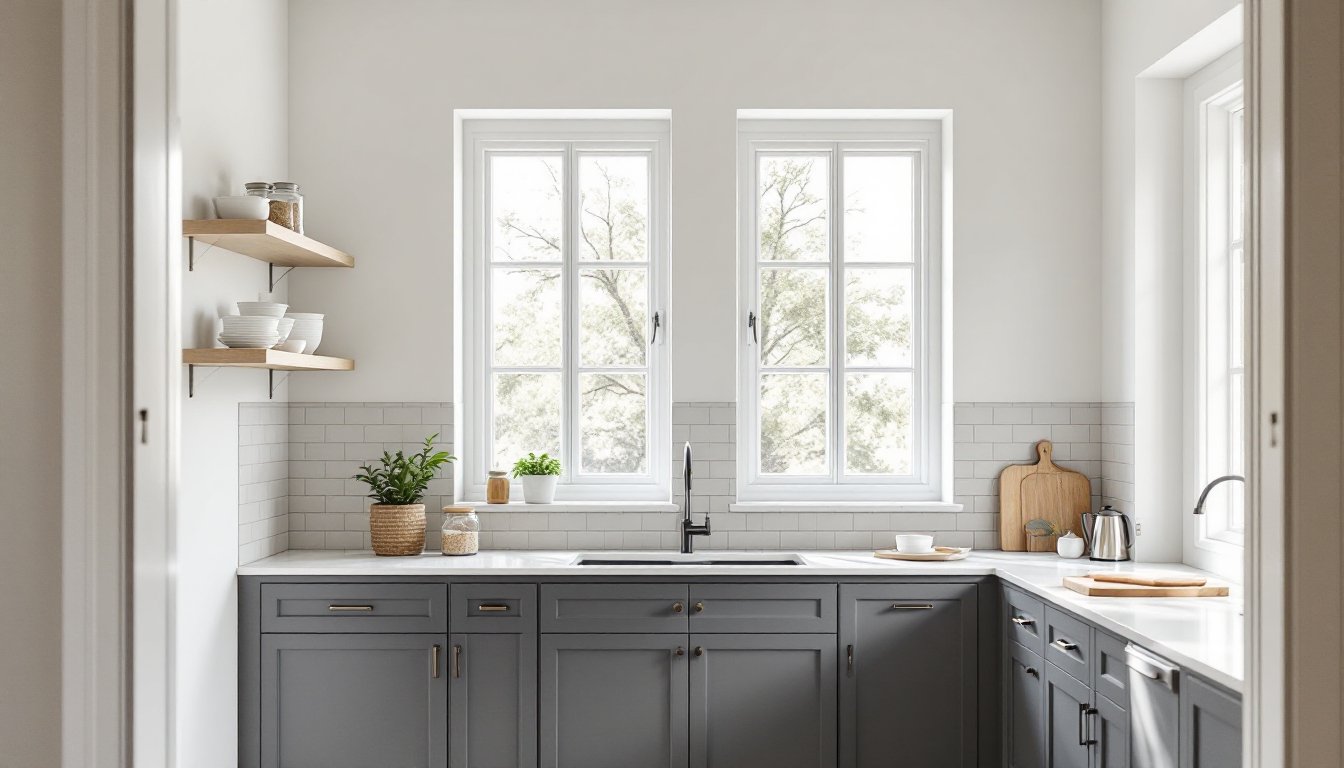
Visual space matters, too. Uppers can make a kitchen feel boxed-in, particularly in smaller footprints or layouts with low ceilings. A kitchen without upper cabinets opens sightlines from the kitchen into adjacent living or dining areas, which is a priority in open-concept floor plans. This is especially true in an l shaped kitchen without upper cabinets, where removing uppers along one or both walls creates a more spacious feel.
Accessibility plays a role as well. Upper cabinets require reaching, stepping on stools, or installing pull-down hardware for high shelves. For aging homeowners or anyone with mobility concerns, eliminating uppers and consolidating storage at waist and knee height makes daily tasks easier and safer.
Finally, some homeowners simply want to showcase architectural features, exposed brick, wood beams, tile backsplashes, or windows with great views. Uppers can obstruct these elements. A farmhouse kitchen without upper cabinets, for example, often highlights shiplap walls, vintage lighting, and open shelving that complements the rustic aesthetic.
Design Benefits of a Kitchen Without Upper Cabinets
Beyond the functional reasons, a no-upper-cabinet layout offers distinct design advantages that can transform how a kitchen looks and feels.
Openness and flow are immediate. Without a visual barrier at eye level, the kitchen feels larger and more integrated with surrounding spaces. This is especially effective in homes where the kitchen opens to a living room or dining area. The absence of uppers creates a cleaner horizon line and reduces visual clutter.
Emphasis on materials becomes possible when you’re not covering walls with cabinetry. Full-height backsplashes, textured plaster, or statement tile can run from counter to ceiling without interruption. Large-scale kitchen design trends increasingly favor bold, uninterrupted surfaces that become focal points rather than afterthoughts.
A modern kitchen no upper cabinets approach often pairs minimalist lower cabinetry, flat-front doors, handleless profiles, matte finishes, with floating shelves or nothing at all on upper walls. The result is a sleek, gallery-like aesthetic that emphasizes horizontal lines and negative space. This works especially well with integrated appliances and concealed storage solutions.
Flexibility is another benefit. Walls freed from cabinets can accommodate art, large clocks, hooks for utensils, or even a narrow floating desk for meal planning. Homeowners can change accessories or shelving arrangements without the commitment of built-in cabinetry.
For those drawn to rustic or cottage styles, the farmhouse kitchen without upper cabinets often features open wooden shelves displaying dishware, vintage canisters, and greenery. This creates a lived-in, approachable vibe that feels less formal than traditional closed cabinetry.
Browsing kitchen without upper cabinets pictures online, especially on curated design galleries, reveals how varied the aesthetic can be. Some lean industrial with metal shelving and exposed brick. Others go Scandinavian with white walls, natural wood shelves, and minimal decor. The common thread is intentionality: every element on display must earn its place.
Maximizing Storage Without Upper Cabinets
Losing upper cabinets means losing storage, often 30 to 40 cubic feet in a typical 10×10 kitchen. Compensating requires strategic use of lower cabinets, smart organizers, and alternative solutions.
Lower Cabinet Organization Strategies
The key is to make every inch of base cabinet space work harder. Start with deep drawers instead of traditional door-and-shelf cabinets. Drawers provide easier access to contents, especially in lower positions where bending and reaching into dark cabinets is awkward. Full-extension drawer slides (rated for at least 100 lbs) allow you to pull drawers completely out for visibility and access.
Drawer dividers and inserts are non-negotiable. Use peg systems or custom cutouts for dishes, adjustable dividers for utensils, and tiered inserts for spices or canned goods. Vertical storage within drawers, such as plate racks or pan organizers, doubles capacity compared to stacking.
Pull-out shelves and organizers in base cabinets eliminate dead space. Install roll-out trays for pots and pans, lazy Susans in corner cabinets, and pull-out trash/recycling bins. These accessories cost between $30 and $150 per unit depending on size and material, but they dramatically improve usability.
Toe-kick drawers are an often-overlooked option. The recessed area at the base of cabinets (typically 4 inches tall) can house shallow drawers for baking sheets, cutting boards, or small appliances. This requires planning during cabinet installation but adds significant hidden storage.
Pantry cabinets become essential in a no-upper-cabinet kitchen. A floor-to-ceiling pantry (often 18 to 24 inches deep and 84 to 96 inches tall) can replace the storage of several upper cabinets. Opt for pull-out shelving units inside pantries to keep items accessible without digging.
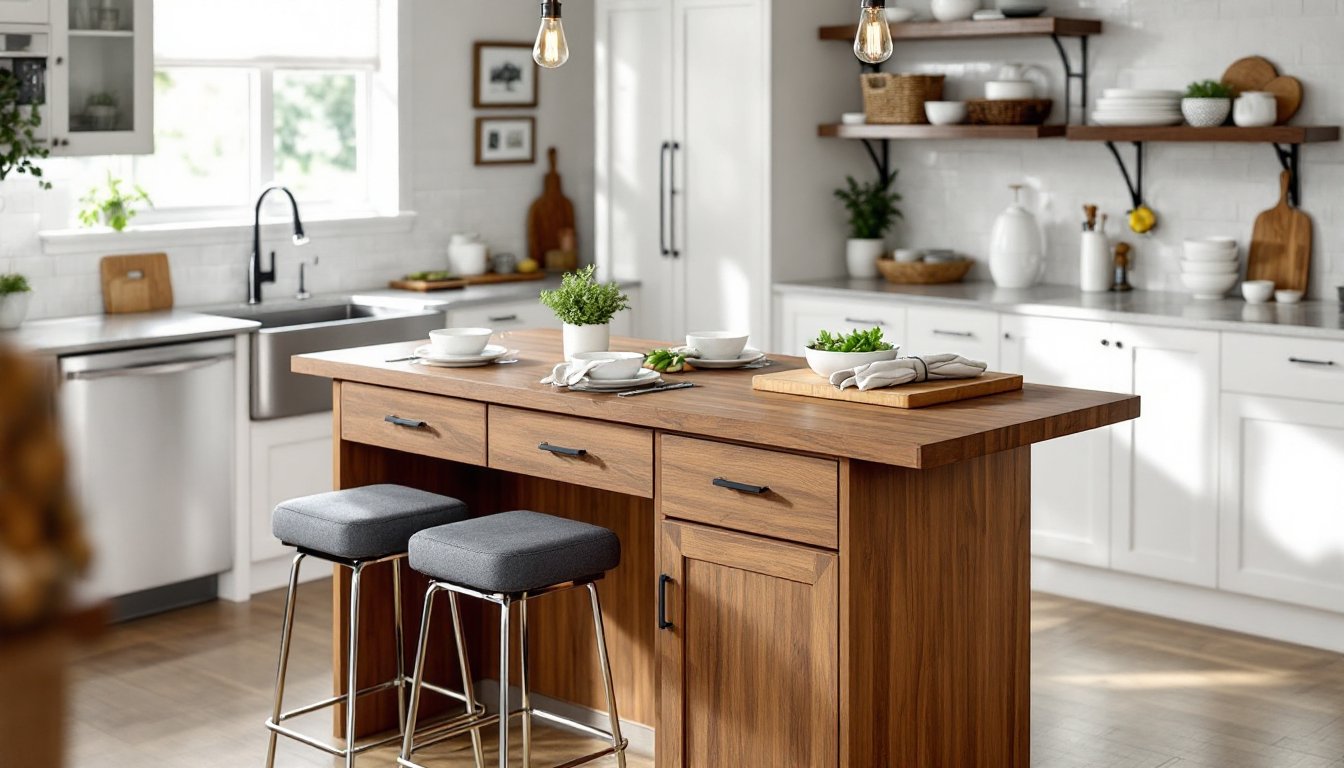
Don’t forget island storage. If your kitchen includes an island, outfit it with deep drawers, open shelving on the back side, or even a built-in bookshelf for cookbooks and small appliances.
Open Shelving and Alternative Solutions
Open shelving is the most common replacement for upper cabinets, but it’s not just about aesthetics, execution matters.
Floating shelves should be anchored properly. Use heavy-duty floating shelf brackets rated for at least 50 lbs per shelf, fastened into studs with 3-inch screws or toggle bolts in drywall. Shelves in kitchens take abuse from heat, moisture, and weight. Solid wood (at least 1.5 inches thick) or steel-framed options hold up better than thin particleboard.
Space shelves 15 to 18 inches apart vertically to accommodate dinner plates, bowls, and glassware. Go wider (up to 24 inches) if storing large serving platters or small appliances.
Bracket-style shelves (metal or wood brackets visible below the shelf) are easier to install and adjust than floating mounts. They also add an industrial or farmhouse accent depending on finish. Black steel brackets pair well with reclaimed wood: brass or bronze brackets suit warmer, traditional palettes.
For a cleaner look, consider ledges or picture rails that display dishes vertically, like art. This works best for decorative pieces you don’t use daily.
Alternative storage solutions go beyond shelving. Pegboards or slat walls turn empty walls into customizable utensil and tool storage. Magnetic knife strips, hanging pot racks, and wall-mounted spice racks free up drawer and counter space.
Appliance garages built into lower cabinets or countertops keep toasters, blenders, and coffee makers accessible but hidden. These are essentially cabinet cubbies with tambour or lift-up doors. They require planning during the design phase but eliminate countertop clutter.
Finally, don’t underestimate the value of decluttering. A kitchen without upper cabinets forces you to evaluate what you actually use. Donate duplicate tools, rarely used gadgets, and mismatched dishware. The less you own, the less storage you need.
For more design inspiration and storage ideas, explore galleries that showcase kitchens with varied layouts and creative solutions tailored to limited storage.
Is a No-Upper-Cabinet Kitchen Right for Your Home?
A kitchen without upper cabinets isn’t a one-size-fits-all solution. The decision depends on how you cook, how much you own, and what you’re willing to change.
Consider your cooking habits. If you cook daily and own specialty appliances, a full set of serving dishes, and bulk pantry staples, losing uppers will strain your storage. On the other hand, if you cook minimally, eat out often, or have a separate pantry room, you may not miss the space.
Assess your existing storage. Walk through your current uppers and honestly evaluate what’s inside. If half the cabinets hold items you haven’t touched in six months, you probably don’t need them. If every shelf is full of daily-use items, removing uppers will require significant reorganization or a pantry addition.
Factor in resale impact. While no-upper-cabinet kitchens are trendy, some buyers see them as a drawback, especially families with children or avid cooks. If you plan to sell within a few years, consider whether the design choice might narrow your buyer pool. In high-end markets and urban areas, contemporary open kitchens are well-received. In suburban or traditional markets, buyers may expect conventional layouts.
Budget for alternatives. Removing uppers is cheap, often just demo and patching drywall. But replacing lost storage with quality lower cabinets, pantry units, or custom organizers adds cost. Expect to spend $200 to $600 per linear foot for new or upgraded base cabinetry, plus another $500 to $2,000 for pull-outs, drawers, and organizers. Open shelving is more affordable, $50 to $300 per shelf installed, but requires ongoing maintenance and curation.
Be realistic about open shelving maintenance. Items on display collect dust, grease, and cooking splatter. You’ll need to wipe shelves and dishware regularly, and everything visible must look intentional. If you prefer the “out of sight, out of mind” approach to kitchen storage, open shelving may frustrate you.
Test before committing. If you’re on the fence, try living without uppers temporarily. Pack away upper cabinet contents and leave walls bare (or install temporary shelves) for a month. See if the open feel outweighs the inconvenience. This trial run can prevent costly regrets.
Eventually, a kitchen without upper cabinets works best for households that value aesthetics and openness over maximum storage, are willing to edit belongings, and can invest in smart lower-cabinet and pantry solutions.
Conclusion
Going without upper cabinets is a bold move, but it’s grounded in real benefits: more light, better sightlines, and a chance to showcase design elements that matter. It demands discipline, fewer items, smarter organization, and a willingness to keep surfaces tidy. If you can meet those demands, the payoff is a kitchen that feels larger, brighter, and more intentional. Just make sure your storage strategy is locked in before the first cabinet comes down.